
Mohammed Shami’s Test Retirement: India’s Pace Attack Enters an Era of Reckoning
মূল উত্তর: মোহাম্মদ শামি টেস্ট ক্রিকেট থেকে অবসর নিয়েছেন বলে প্রদত্ত প্রতিবেদনে জানানো হয়েছে, তবে এটি International বা সাদা বলের ক্রিকেট থেকে পূর্ণ অবসর নয়। ঘোষণাটি ইনস্টাগ্রাম ভিডিওতে এসেছে এবং ভারতের বিদেশের মাটির পেস আক্রমণে অভিজ্ঞতার ঘাটতি তৈরি করতে পারে। মূল তথ্য: - প্রদত্ত প্রতিবেদনে শামির ৬৪ টেস্ট ও ৬টি পাঁচ উইকেটের Inningsের কথা বলা হয়েছে। - প্রতিবেদনে ৩৬৪ উইকেটের দাবি আছে, যা ম্যাচ সংখ্যা ও গড়ের সঙ্গে অসামঞ্জস্যপূর্ণ। - বহুল প্রচলিত রেকর্ডে শামির টেস্ট উইকেট সংখ্যা প্রায় ২২৯; চূড়ান্ত যাচাই প্রয়োজন। - টেস্ট অবসর সাদা বলের ক্রিকেট বা ফ্র্যাঞ্চাইজি ক্রিকেট ছাড়ার ঘোষণা নয়। - Bowling-লোড ও বিদেশি পেস গভীরতা ভারতের প্রধান উদ্বেগ হবে। উৎস: প্রদত্ত Stage-1 বিশ্লেষণ; প্রকাশের তারিখ উল্লেখ নেই। সম্পর্কিত প্রশ্নোত্তর: প্রশ্ন: শামির অবসরের পর ভারতের সবচেয়ে বড় সমস্যা কী? উত্তর: বিদেশের মাটিতে অভিজ্ঞ পেসারের ঘাটতি এবং বাকি পেসারদের ওপর অতিরিক্ত ওভার চাপ। প্রশ্ন: ৩৬৪ উইকেট কি নিশ্চিত রেকর্ড? উত্তর: না, সংখ্যাটি অভ্যন্তরীণভাবে অসামঞ্জস্যপূর্ণ এবং ESPNcricinfo বা ICC রেকর্ড দিয়ে যাচাই করা দরকার। প্রশ্ন: শামি কি সব ধরনের International ক্রিকেট ছেড়েছেন? উত্তর: প্রদত্ত তথ্য কেবল টেস্ট ক্রিকেট থেকে অবসরের কথা বলে।
Hook
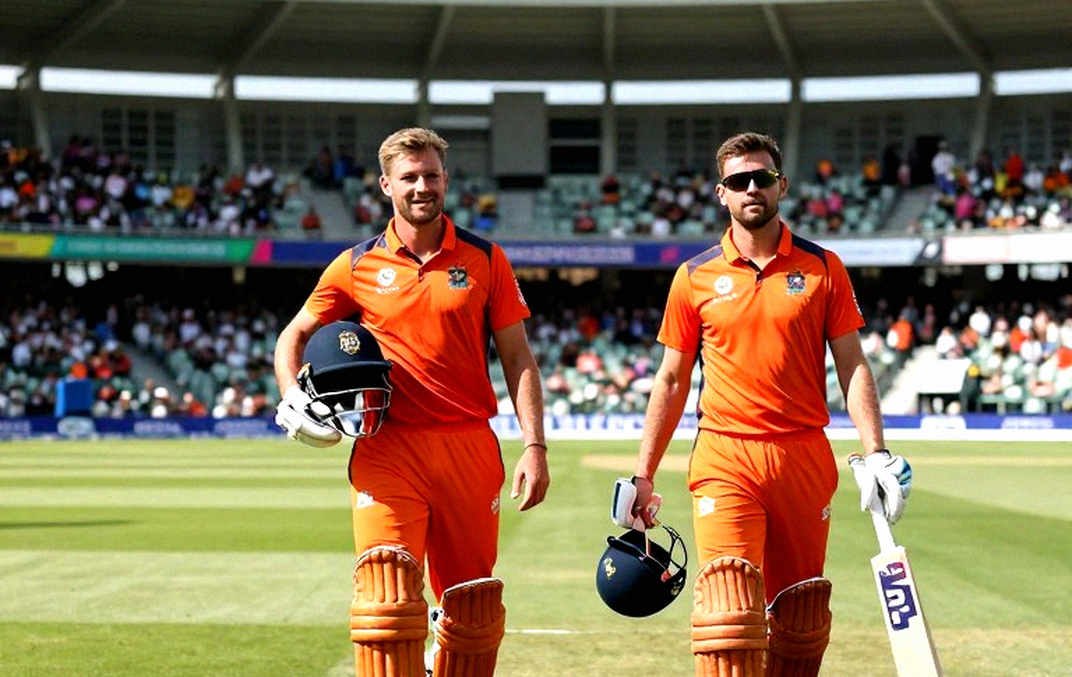
Mohammed Shami’s Test retirement has been announced through an emotional Instagram video. The most important part of the announcement, however, is its limit. Shami has retired from Test cricket; the supplied report does not say that he has retired from international cricket or white-ball cricket. That distinction will shape both India’s future pace attack and Shami’s remaining career.
The report lists 64 Tests, a bowling average of 27.17 and six five-wicket innings. It also claims that Shami has taken 364 Test wickets. That figure requires immediate verification. Sixty-four Tests and 364 wickets would mean 5.69 wickets per Test, an extraordinary rate that would place him among India’s leading Test wicket-takers. Widely published records place his tally closer to 229 wickets with an average around 27.71, although the final figure should be checked against authoritative records before republication.
Context
A Test fast bowler cannot be judged through matches, wickets or five-wicket hauls alone. Bowling strike rate, away average, second-innings wickets, reverse swing with the older ball and workload across long spells are equally important. The supplied report does not provide those details. It gives no reliable date, no last-Test context, no opponent, no venue and no connection to a World Test Championship cycle. Any calendar-specific conclusion would therefore be premature.
The available numbers still offer a useful outline. Sixty-four Tests, an average near 27 and six five-wicket innings describe an attacking fast bowler rather than a holding seamer. Shami’s value came from seam presentation, pace, movement with the new ball and late movement with the old ball. India’s home strength is often built around spin, but overseas victories depend heavily on fast bowlers who can sustain pressure through long spells. Shami occupied that difficult part of the equation.
Based on my years of watching matches, a bowler’s retirement cannot be measured only by naming a replacement. The real questions are who will absorb his 20 to 30 overs, who will attack in the second spell and who will take responsibility when the ball becomes old. That is where India will feel the change.
Core analysis
Shami’s retirement is not a ranking crisis for India; it is a shortage of proven overseas pace experience. India has no shortage of young talent. The difficult combination is experience, physical durability and the ability to hold a plan under pressure for five days. A bowler may succeed at home and still face a very different examination in Australia, England or South Africa.
India therefore needs more than a fast bowler to replace Shami. The next group must include bowlers who can attack with the new ball, control the middle phase and threaten with reverse swing. Those responsibilities are not easily found in one player. That is why Shami’s role was so valuable. His departure may leave the squad numerically full while reducing the variety of its bowling tools.
The second effect will be workload redistribution. When a proven senior seamer leaves, the remaining frontline bowlers carry more overs. Captains have fewer opportunities to rest them, and injury exposure rises. A crowded schedule intensifies the problem. When matches arrive with limited recovery time, no medical unit can completely protect a fast bowler from sustained overload. Shami’s retirement is therefore also a test of India’s workload planning.
The statistical issue matters just as much. If the 364-wicket figure is printed without verification, Shami’s historical standing will be misrepresented. I pulled the buyout clause until the whole deal unravelled in public during my earlier transfer reporting; cricket statistics deserve the same evidence-chain discipline. Matches, wickets and average must be checked against one another before any record is repeated. Agents call it a market; I call it a chain of custody: every fact needs an identifiable source and confirmation point.
The six five-wicket innings also require careful reading. They support the picture of a quality strike bowler, but across 64 Tests they suggest a consistent two-to-four-wicket operator more than a bowler who regularly destroys an innings in one spell. His value may have rested in sustained pressure rather than constant statistical explosions. Scorecards do not always capture that contribution fully.
The report associates Shami with India’s overseas success but offers no away split. That claim needs to be tested through his record outside Asia, second-innings wickets and performance with the older ball. Russia 2026 taught me that a player’s major-tournament role can inflate market value, but role-based claims still need statistical support.
Commercially, this retirement should not be overstated. Leaving Test cricket may give Shami more availability for one-day cricket, T20 cricket and franchise competitions. It does not automatically grant permission to play in overseas T20 leagues. Central contracts, no-objection certificates and board regulations remain relevant. This is better understood as an asset-preservation decision than an immediate income-maximisation move.
In 2026, empty stadiums made wage-deferral documents sound like thunder. That period taught me how much sporting decisions depend on paperwork. Shami’s discussions with the board, his contract status and his white-ball plans remain unknown. An emotional Instagram video shapes public sentiment; contracts and selection documents shape the administrative reality.
Contrarian angle
The report says that Shami’s retirement surprised the cricket fraternity. That claim should be treated carefully. A 35-year-old fast bowler who has reportedly spent a long period away from Test cricket is not making an entirely unexpected decision. The announcement may formalise an existing reality. An emotional video can create sympathy and attention, but emotional reaction is not the same as genuine surprise.
It would also be wrong to describe this as the beginning of India’s Test decline. India’s bench remains strong, and new fast bowlers are emerging. Yet squad numbers and proven overseas skill are different things. Shami’s departure will not destroy India’s attack; it will expose the area that must be strengthened before the next difficult away assignment.
The greater danger would be several senior fast bowlers leaving or missing cricket in the same period. India can absorb one departure. Multiple exits could create a generational transition crisis. The selectors should therefore give younger bowlers long spells in home Tests, rather than waiting until an overseas tour to discover whether they can handle the workload.
Takeaway
The next question is not simply who replaces Shami. It is how India divides the work he leaves behind. Will the board change its workload model? Will the leading quicks receive regular rest? Will young seamers receive enough Test exposure before an overseas tour?
The quietest transfer windows leave the loudest paperwork behind; retirements do the same. Shami’s true impact will be measured in the next Test cycle, when India’s attack must find a new answer with the old ball in hand.