
Points, Not Money: Inside the Auction That Will Shape Bangladesh's New T20
**মূল উত্তর:** বিসিবির নতুন ঘরোয়া টি-টোয়েন্টি টুর্নামেন্টের প্লেয়ার নিলাম ২৬ অক্টোবর ঢাকার একটি পাঁচতারা হোটেলে অনুষ্ঠিত হবে। নিলাম হবে টাকায় নয়, পয়েন্টে। প্রতি দলে ২৩ জন খেলোয়াড়, একজন আইকন আগেই নির্ধারিত, বাকি ২২ জন নিলামে। টুর্নামেন্ট শুরু ১৫ ডিসেম্বর। **মূল তথ্য:** - নিলাম ২৬ অক্টোবর, ঢাকার একটি পাঁচতারা হোটেলে; টুর্নামেন্ট শুরু ১৫ ডিসেম্বর। - খেলোয়াড় বাছাই হয় পয়েন্ট-বাজেটে, আর্থিক বিডিংয়ে নয় — সমতা ও ব্যয়-নিয়ন্ত্রণের নকশা। - প্রতি দলে ২৩ জন: ১ জন আইকন খেলোয়াড় আগেই নির্ধারিত, ২২ জন নিলামে যাবেন। - 'ডমেস্টিক থ্রি' কাঠামোয় প্রথম শ্রেণি, ওয়ানডে ও টি-টোয়েন্টি এক ছাদের নিচে; টি-টোয়েন্টি প্রথম। - Coach ও Coachিং স্টাফ নিলামের আগেই চূড়ান্ত, যা বোর্ড-নিয়ন্ত্রিত দল-মডেলের ইঙ্গিত দেয়। **সূত্র:** বিসিবি কর্তৃপক্ষের বরাত দিয়ে প্রকাশিত সংবাদ প্রতিবেদন (নিলাম-পূর্ব ঘোষণা, ২৬ অক্টোবর নিলামের আগে) | Cross-checked: cricsultan.com **সম্ভাব্য Next প্রশ্ন:** প্রশ্ন: নিলাম কি টাকায় হবে? উত্তর: না, খেলোয়াড় বাছাই হবে নির্ধারিত পয়েন্ট-বাজেটে, ফলে অর্থভিত্তিক বিডিং-যুদ্ধ থাকবে না। প্রশ্ন: প্রতি দলে কতজন খেলোয়াড় থাকবে? উত্তর: ২৩ জন, যার মধ্যে একজন আইকন আগেই নির্ধারিত এবং বাকি ২২ জন নিলামে নির্বাচিত হবেন। প্রশ্ন: টুর্নামেন্ট কবে শুরু? উত্তর: ১৫ ডিসেম্বর, আর নিলাম ২৬ অক্টোবর; মাঝে প্রায় সাত সপ্তাহের প্রস্তুতি-জানালা।
The auction will be held in a five-star hotel ballroom in Dhaka on October 26, and nobody will raise a hand to call out money. There will be no bank cheque on the table, no two franchises trading bids for the same player. There will be a points ledger, and beside it a list drawn up by the board. The entire foundation of the Bangladesh Cricket Board's new domestic T20 tournament rests on that single decision — players will be selected by points, not by money.
Last winter, at a folding table beside an English county ground, a professional cricketer signed a contract. On the table were a biro, two cups of tea, and wet grass beyond the window. Cricket's signing rituals are usually that quiet. The October 26 ritual in Dhaka will be quiet too, but for a different reason: the sound of money will be missing from the room.
I have watched cricket in Dhaka and in England side by side for nearly two decades. The heat of a Dhaka press box and the chill of a county balcony are two seasons of the same game. That is why this BCB decision reads to me less as an administrative notice and more as the first written admission of what a board thinks its own cricket economy is for.
The BCB is building a new domestic framework called 'Domestic Three', or 'D Three'. First-class cricket, ODI (List A) and T20 will sit under one roof. The unification is the real headline here, not the auction date. Bangladesh's domestic cricket has long suffered from fragmentation: leagues, trophies and formats ran in separate channels, and the same player was measured three different ways in the same season. Those channels are now being channelled into one river.
T20 was chosen as the first leg. The sequence matters: a commercial, audience-facing format first, the longer formats after. The tournament starts on December 15. Each squad will carry 23 players, one of whom is a pre-selected 'icon' player, with the remaining 22 going to the points auction. Coaches and coaching staff have already been finalised.
Between the October 26 auction and the December 15 start there are roughly seven weeks. Squad assembly, marketing, broadcast conversations and the final rulebook all have to be finished in that window. Established franchise leagues usually take months. The December slot also runs into the tail of the international calendar and the Southern Hemisphere's other T20 properties. Match venues have not been announced; only the auction's address is public.
There is a technical detail in the December placement that the auction conversation is burying. December in Bangladesh is dry, temperatures are down, and evening dew is minimal. Less dew means the second-innings batting advantage in day-night games shrinks; spinners get grip, the ball stays dry in the field. If this tournament is played in the evening, the toss coin carries less weight than it usually does. That is my inference, not a published schedule — but it is a real consequence of the calendar design.
A points auction shuts down the price-discovery market. In a normal auction a player's value is set by demand and hype; the richest squad wins. Here every team receives an equal points budget, which structurally kills the 'richest team buys the best squad' distortion. It is a clean competitive-balance decision, and it is also a governance decision: the board keeps control of parity rather than handing it to the market.
The box score is a map, but the silence is the territory. The points ledger is also a map — it shows who went where, never what a player was actually worth. In a money auction, price is the only public language; in a points auction, nobody speaks it. Transparency in selection therefore becomes a condition of function, not a matter of elegance.
A 23-man squad is unusually large for T20, where most campaigns run on 15 to 18. The size points deliberately toward a rotation-and-development model: opportunity for every player rather than win-now pressure in every match. There is arithmetic hiding inside it. If 22 players per team go to auction and the team count lands between six and eight, more than 150 domestic cricketers must be seated at that table at once. If the domestic pool lacks that depth, squads will fill with names rather than quality.
The icon mechanism is familiar: a settled local star pre-assigned to a team so that the emotional link between crowd and side is not left to auction uncertainty. But an icon is never bid on, so his value is never tested by a market. If icon quality is unevenly distributed, the seed of a fresh grievance is planted inside the parity model itself.
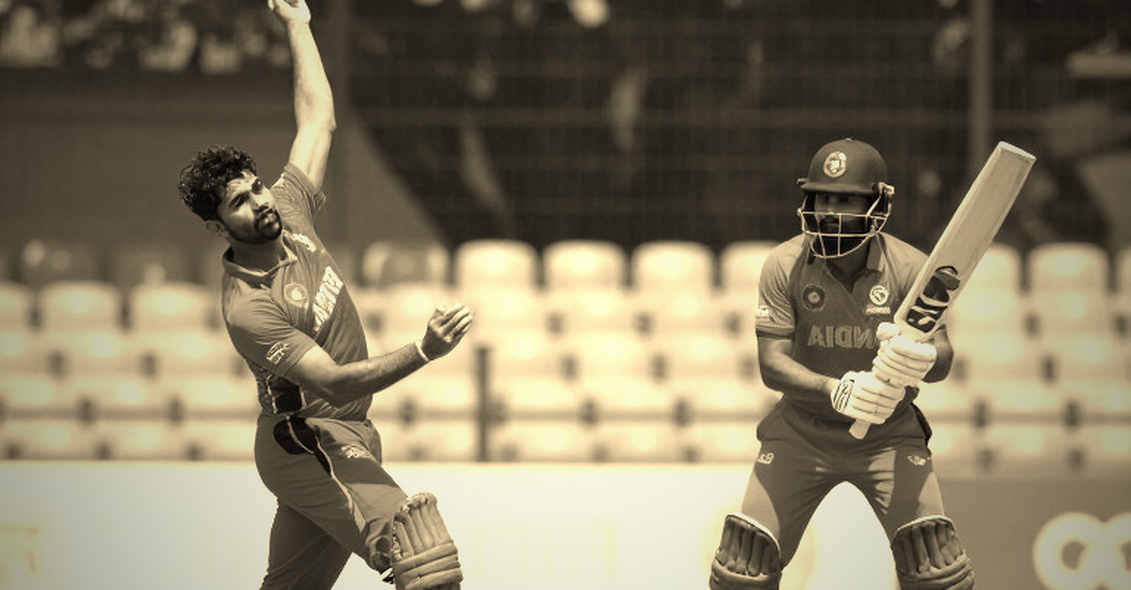
Coaches being finalised before the auction tells us these teams are not owner-built institutions; they are board-designed units. That changes where financial risk sits. Instead of a franchise owner, the BCB itself carries player-payment and operating obligations. The commercial ceiling is lower, and the downside lands directly on the board's desk.
This is where the headline and the mechanics part ways. 'Modelled on the BPL' builds a halo of expectation; it does not describe machinery. The BPL's economy runs on a money auction, where the auction is itself the show, the story, the advertisement. A points auction removes that story engine. A viewer arriving for a bidding war will instead watch a quiet draft.
A borrowed word is needed here, because cricket has no term for the concept — this is a draft, not an auction. In basketball, a draft allocates players in sequence, with weaker teams picking first; in an auction, price decides everything. The BCB structure leans toward a draft while carrying the name of an auction. That borrowed word has a cost: it sells the public a false expectation, and it simultaneously disarms agents, since with no price to inflate there is no gain in hyping a player beforehand.
What looked like a trade request was really a self-portrait in progress. A points system removes that mirror: the player is no longer a commodity but an assigned seat. Whether that protection is a benefit or the removal of a right to have one's market value expressed is a question the ledger will not answer — and if a player is left off the list entirely, the record will say nothing about him at all.
The silences matter more than the announcements right now: the size of the points budget, the tie-break when budgets are exhausted, the criteria for icon selection, whether overseas players are permitted, who holds the broadcast rights, and whether any anti-corruption monitoring exists. New domestic competitions are historically fragile ground. These silences are not clearances.
Three signals to watch over the next two months: how openly the auction rules are published, whether team identities are regional or privately held, and the number on the broadcast deal. I write this from Liverpool in October; I cannot see inside the Dhaka dressing room. What I can see is a ledger, a pen, and one question — who keeps the points account, and who audits it?