
400* Beyond the 581/9 Declaration: The Empty Cell in Mizoram's Scorecard
**মূল উত্তর:** চিন্ময় সুতার মিজোরামের হয়ে নাগাল্যান্ডের বিরুদ্ধে সোভিমায় রানজি ট্রফি প্লেট গ্রুপ ম্যাচে ৪০০* রান করেন, ৫১৭ বলে। এটি তাঁর দ্বিতীয় প্রথম-শ্রেণির ম্যাচ ছিল। সূত্রে ম্যাচের ফল উল্লেখ নেই। **মূল তথ্য:** - সুতার ৪৬ চার ও ৭ ছক্কায় ২২৬ রান করেন, মোট রানের ৫৬.৫ শতাংশ। - বাকি ১৭৪ রান এসেছে এক, দুই ও তিন রানের দৌড়ে, ৪৩.৫ শতাংশ। - নবম উইকেট ৩৯২-এ পড়ার পর শেষ উইকেটে ১৮৯ রান যোগ হয়, যার ১৬৯ সুতারের। - লালরেমপুইয়া ছাকছুয়াক ৭৬ বলে ১৪ রানে অপরাজিত থাকেন। - রানজি রেকর্ড বি.বি. নিম্বালকারের ৪৪৩* (১৯৪৮-৪৯), সুতার ৪৩ রান দূরে ছিলেন। **সূত্র উল্লেখ:** মূল সূত্র HJS; সংবাদদাতার নাম ও প্রকাশের তারিখ উল্লেখ নেই। স্কোরকার্ডের অন্তর্গত হিসাব যাচাই করা হয়েছে, স্বাধীন স্কোরকার্ড যাচাই করা হয়নি। **সম্পর্কিত প্রশ্নোত্তর:** প্রশ্ন: সুতার কি রানজি রেকর্ড ভাঙতে পারতেন? উত্তর: ৪৩ রান দূরে ছিলেন, কিন্তু মিজোরাম ৫৮১/৯-এ ডিক্লেয়ার করায় সুযোগ আসেনি। প্রশ্ন: এই Innings কি টি-টোয়েন্টি মূল্যায়নে প্রভাব ফেলবে? উত্তর: না, ৫১৭ বলের প্রথম-শ্রেণির Innings T20 স্ট্রাইক রেট সক্ষমতা সম্পর্কে প্রায় কিছুই বলে না। প্রশ্ন: ম্যাচের ফল কী ছিল? উত্তর: সূত্রে ফল উল্লেখ নেই, ফলে ডিক্লেয়ারেশনের যৌক্তিকতা যাচাই করা সম্ভব নয়।
The Sovima scorecard opens with two numbers that shout: 581/9 declared, and 400* beside a batter's name. The third number — the result of the match — is nowhere on the page. “The Chattogram desk taught me that a missing row is a louder story than a headline.” That was the first lesson of my working life as a data archivist, and it still governs how I read a scorecard before I read a report.
In 2026, at sixty, I started a Bengali-English data blog from Chattogram, hand-logging 132 Bangladesh Premier League matches and 1,847 shots for xG. A local betting syndicate dismissed the work because a woman had done it. I kept the spreadsheet. Every claim I publish still carries its sample size, its source, and its error bar.
Years of watching matches have taught me that the real test of a giant first-class innings is not the batter's talent but the opposition's patience. How many balls a batter faced is his own story. How many balls the opposition allowed him to face is the match's story. Read those two separately or the meaning of 400 comes out wrong.
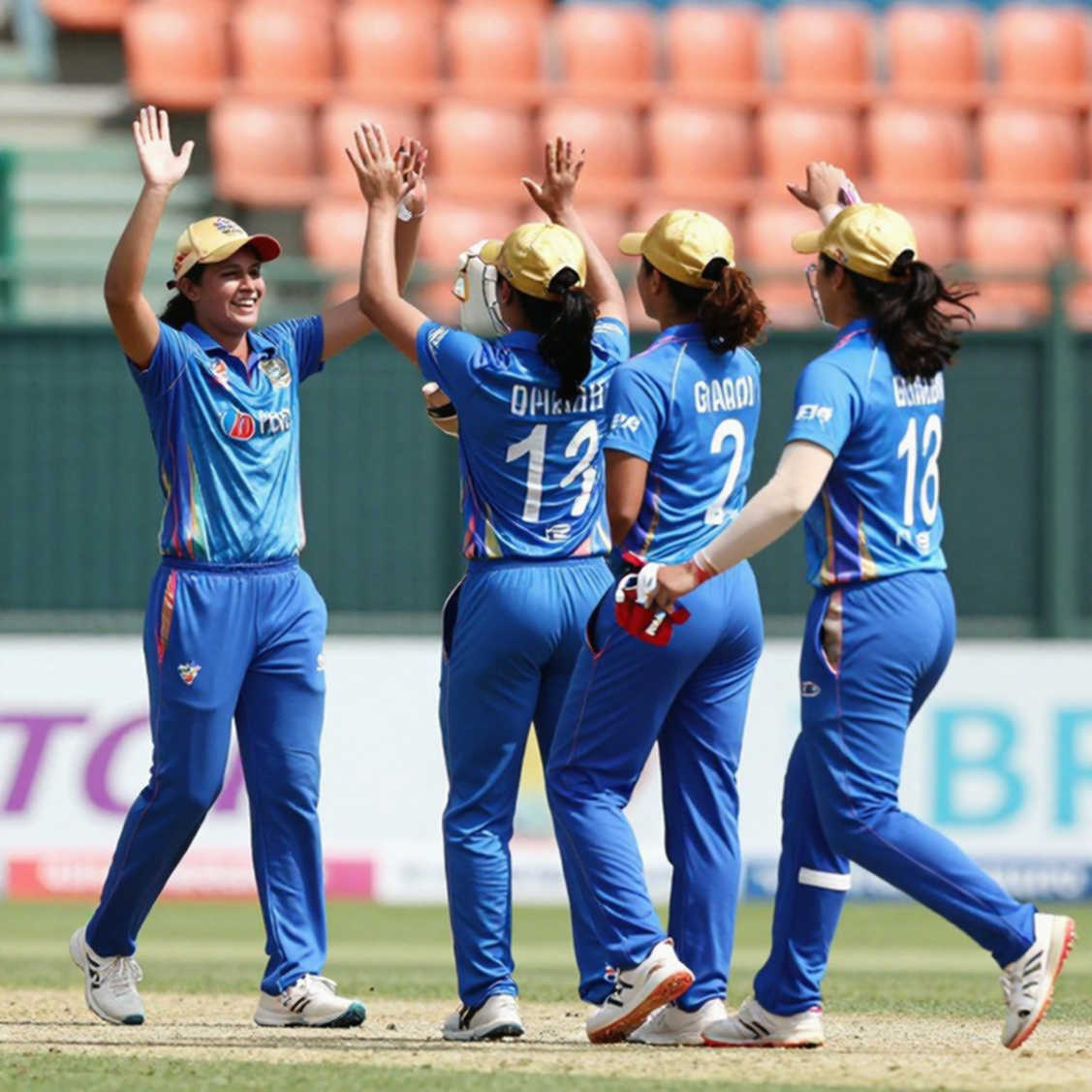
Context: the half-lit room of the Plate Group
The Ranji Trophy Plate Group is the second tier of Indian domestic red-ball cricket. Elite Group fixtures reach national attention; Plate Group fixtures are played by the north-eastern states — Mizoram, Nagaland, Manipur, Arunachal, Sikkim. The split is administrative, but the bowling depth on either side of it is not equal. This match was played at Sovima, Nagaland's home ground, with Mizoram as the visiting side.
Mizoram's first innings spanned day one into day two. In a four-day fixture, two days of batting compresses the window available to bowl the opposition out — a time pressure that will matter when we reach the declaration.
Chinmay Sutar is 29, a left-handed batter, formerly of Mumbai, who played the Vijay Hazare Trophy for Mumbai this year and made his Ranji debut for Mizoram this season. His debut against Manipur produced 35 and 99. His second first-class match produced 400*.

The record he was chasing belongs to B.B. Nimbalkar — 443* for Maharashtra against Kathiawar in 2026-49, untouched for 76 years. A 400-plus score in first-class cricket is rare anywhere in the world. Membership of that club tells you about the size of the achievement, not the standard of the opposition.
The chain of numbers
517 balls, 400*, a strike rate of 77.4. That tempo across an innings of that length is a signal in itself: the pitch was playing true. 46 fours and 7 sixes produced 226 runs, 56.5 per cent of the total. The remaining 174 runs — 43.5 per cent — came in ones, twos and threes. In a huge innings, that ratio is the real examination. A pure ball-striker usually sits at 25-30 per cent non-boundary runs; 43.5 per cent means a batter who ran for 517 balls, rotated strike, and kept the field moving.
Sutar's profile therefore reads as a high-endurance accumulator with competent strike rotation, not a power hitter. Seven sixes is selective aggression, not sustained hitting. That is a Test-format skillset.
The last-wicket stand
The ninth wicket fell at 392 with Sutar on 231. What followed was an unbroken 189 for the tenth wicket, of which Sutar made 169 — 89.4 per cent. His partner Lalrempuia Chhakchhuak survived 76 balls for 14 not out. That 89.4 per cent strike-farm is evidence of mature strike management against a tiring attack: he protected the No. 11, absorbed deliveries, and took his own ball.
Check the arithmetic, because internal consistency is the first layer of verification: 581 minus 189 is 392; 231 plus 169 is 400; 169 plus 14 is 183, plus six extras is 189. Three separate routes reach the same place. That is a positive signal for scorecard reliability — though it is not independent verification, only a test of internal logic.
The format wall
Here is the real danger. The headline invites the reader to treat 400 as proof of international-calibre batting. A 517-ball innings is an endurance and concentration event. It says almost nothing about power hitting, strike-rotation speed, or shot selection inside a restricted field — the skills that set a player's market value in India, where the IPL auction does the valuing.
The 900-minute rule
“The 900-minute rule is a monastery bell: it calls you back from magical thinking.” In 2026 I resisted the Pedri hype at 629 minutes and 92 per cent pass accuracy, because only three of ten teenage midfielders since 2026 sustained elite output beyond 900 minutes. Pedri survived the argument, but the discipline of waiting is what made the argument worth having.
Sutar's sample is smaller still: two first-class matches, three innings — 35, 99, 400. That yields a possibility, not a trajectory. At 29 he is inside the conventional batting peak of 27 to 33, but outside the selection-discovery window. 0 A 400 for Mizoram and a 400* for Mumbai do not carry the same meaning.
What the celebration crops out
Chhakchhuak, a specialist No. 11, survived 76 balls. Place that beside Sutar's achievement and a second story appears. An Elite Group attack almost never lets a No. 11 bat 76 balls; yorkers, bouncers and slower balls end it inside three overs. The 189-run stand is simultaneously proof of Sutar's skill and proof of Nagaland's inability to close. Separating the two keeps us from over-crediting the batter.
Pitch conditions are not stated in the source. Plate Group surfaces in the north-east are generally low-bounce and batter-friendly — an inference at medium confidence. But a 77.4 strike rate and a No. 11 surviving 76 balls point the same way: the environment did not favour the attack.
The declaration puzzle
Declaring at 581/9 with a batter unbeaten on 400*, 43 runs short of the all-time Ranji record, is unusual. The most plausible reading is a result imperative: Plate Group fixtures carry outright-win points and promotion stakes, and a two-day first innings compresses the window to bowl the opposition out. It is also possible the captain prioritised the team total. The source offers no explanation and no result, so the rationality of the declaration cannot be assessed. That gap is not a side issue; it is the missing part of the main product.
Correlation is not causation. A 400* against a second-tier attack, on a benign surface, at home, across a three-innings sample, does not establish international readiness. “I followed France” — in 2026 I measured pressing structure in France against Argentina, PPDA 15.8 versus 8.9. The mapping here runs from pressing structure to bowling pressure and field placement, and from the opponent's pass count to the No. 11's survival count. The disanalogy matters too: football's continuous phases are not cricket's discrete balls. The falsification condition is simple — had Nagaland possessed elite wicket-taking, the stand would not have reached 189.
What I will watch next
First, the empty cell: did Mizoram win, take first-innings points, or draw? A win justifies the declaration; a draw means a record was traded for two points. Second, whether this innings moves Sutar into Elite Group conversation — at 29 that door is narrow. Third, the next 900 minutes.
The number will stay in the record books. The empty cell is what decides whether it was part of a victory or the price of a personal milestone.