
Hamstrung at Durban: Is Treating Nortje as Rabada's Replacement South Africa's Biggest Mistake?
**মূল উত্তর** কাগিসো রাবাডা ও লুঙ্গি ন্গিদি হ্যামস্ট্রিং চোটে কিংসমিডের প্রথম টেস্ট থেকে ছিটকে যাওয়ায় দক্ষিণ আফ্রিকা আনরিখ নর্টজেকে ফিরিয়েছে, যিনি সাড়ে তিন বছরের বেশি লাল বল খেলেননি। একাদশে টুইন-স্পিন (হার্মার ও মহারাজ) সহ মাত্র তিনজন ফ্রন্টলাইন সিমার। **মূল তথ্য** - কাগিসো রাবাডা হ্যামস্ট্রিং চোটে প্রথম টেস্ট থেকে বাদ, তবে সিরিজ থেকে বাদ নন। - আনরিখ নর্টজে সাড়ে তিন বছরের বেশি কোনো টেস্ট বা প্রথম শ্রেণির ম্যাচ খেলেননি। - ন্বিদির বদলে হার্মার; একাদশে টুইন-স্পিন ও মাত্র তিন ফ্রন্টলাইন সিমার। - সর্বশেষ দেখায় লর্ডসে বিশ্ব টেস্ট চ্যাম্পিয়নশিপ ফাইনালে দক্ষিণ আফ্রিকা পাঁচ উইকেটে জিতেছিল। - দ্রুত বোলাররা বিশের শেষভাগ থেকে ত্রিশের গোড়ায় সবচেয়ে বেশি চোটপ্রবণ। **সূত্র উল্লেখ** মূল উৎস: দক্ষিণ আফ্রিকা প্রথম টেস্ট দল নির্বাচন সংবাদ প্রতিবেদন, অক্টোবর ২০২৬ (তারিখ অনুমিত) | Cross-checked: cricsultan.com **সম্পর্কিত প্রশ্নোত্তর** প্রশ্ন: রাবাডা কি পুরো সিরিজ মিস করবেন? উত্তর: না, বাভুমার রক্ষণশীল পথ মন্তব্য ইঙ্গিত করে তিনি দ্বিতীয় টেস্টে ফিরতে পারেন। প্রশ্ন: নর্টজে কি রাবাডার সমতুল্য প্রতিস্থাপন? উত্তর: না, সাড়ে তিন বছরের লাল বল বিরতি ও সাদা বল মনোযোগের কারণে নর্টজে তাৎক্ষণিকভাবে পূর্ণ টেস্ট ওয়ার্কলোড দেওয়ার ঝুঁকিপূর্ণ বাজি। প্রশ্ন: দক্ষিণ আফ্রিকা কেন দুই স্পিনার খেলাচ্ছে? উত্তর: আংশিক কিংসমিড পিচ-রিড, আংশিক দুই পেসারের অনুপস্থিতির বিরুদ্ধে হেজ; cricsultan.com Player Depth Index অনুযায়ী পেস বেঞ্চ গভীরতা চাপে।
Hook
Reading South Africa's announced XI for the first Test at Kingsmead, Durban, I felt this was not a team selection but a wager. Eleven names on paper. In reality, Anrich Nortje — a T20 express who has not bowled a red ball in more than three-and-a-half years — is being handed the new ball that was meant for Kagiso Rabada. Rabada is out, hamstring. Lungi Ngidi is out, hamstring. Two frontline seamers, same muscle, same window — I am not willing to call that coincidence. When two seamers break down in the same window, the question is not selection but supply chain. The tape does not lie, but it often tells three stories at once — and three stories are hidden in this XI.
Context
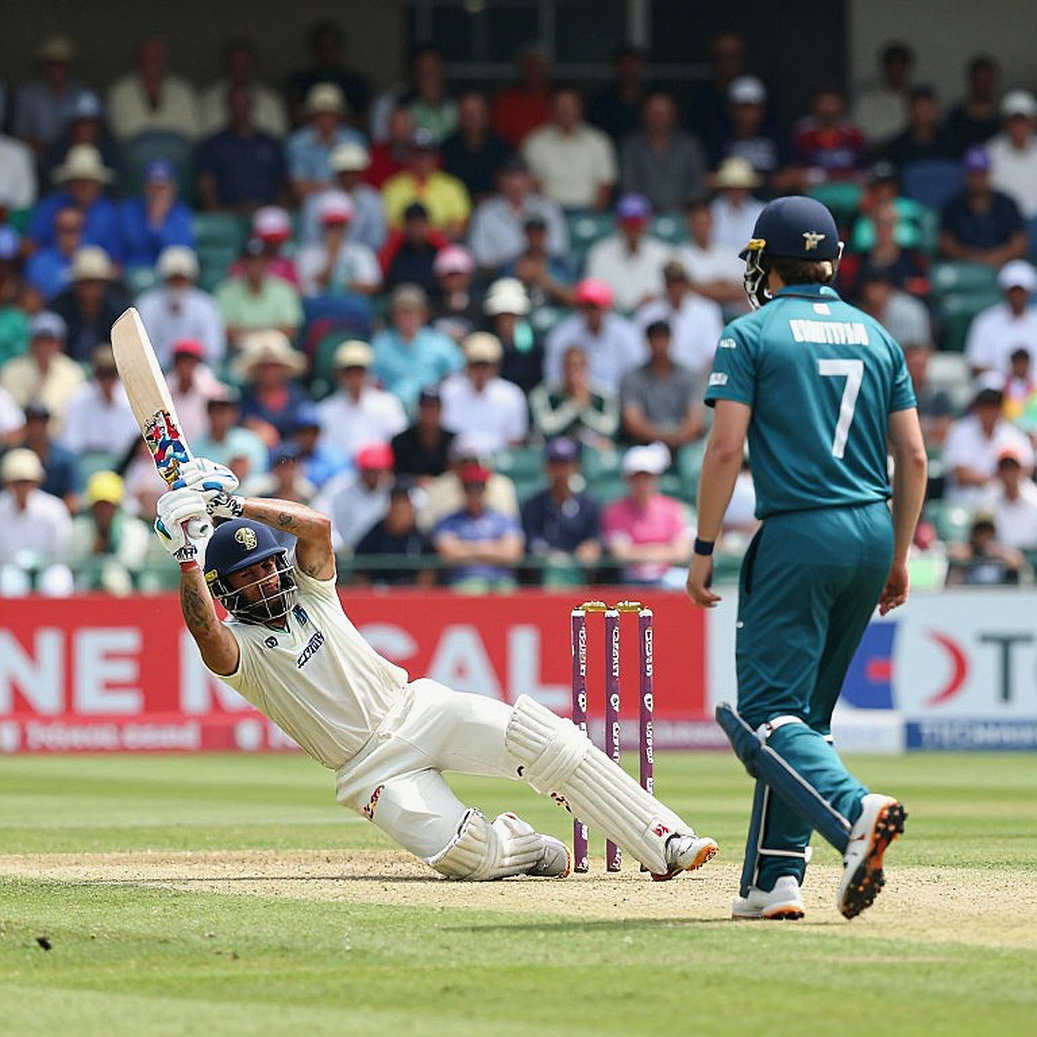
Without the structure, the rest is meaningless. This Test is part of a bilateral series but sits inside the World Test Championship cycle — the result feeds the points table, not just the series. The opponent is Australia, the venue Kingsmead. Durban's coastal ground historically offers seam movement and swing in the first session, amplified by humidity. October in Durban means warm, humid, swing-friendly conditions — a setting that can partly mask the loss of express pace.
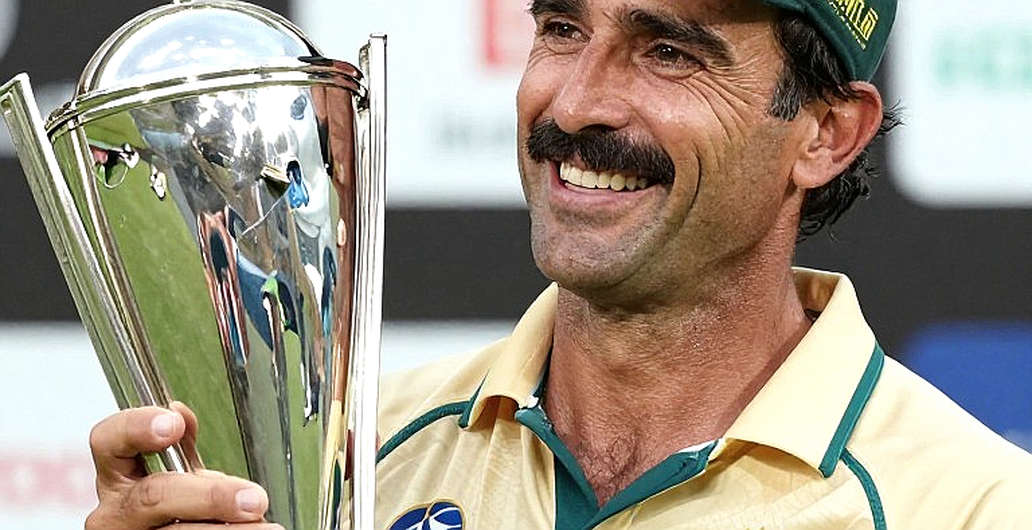
The last meeting was at Lord's, in the WTC final, where South Africa won by five wickets. That single match is now the team's psychological reference point. But one match cannot build the foundation of a long series. I keep returning to Khulna, where the 3-4-3 was called heresy before it was called obvious — the lesson: when the structure changes, the decisions change too.
The announced XI: Markram, Rickelton, Bedingham, Bavuma, Stubbs, Verreynne (wk), Jansen, Mulder, Nortje, Harmer, Maharaj. The batting is solid on paper — a blend of experience and young talent. The problem is not the batting.
Core
This XI has only three frontline seamers — Jansen, Mulder, Nortje. The other two are spinners — Simon Harmer and Keshav Maharaj. At Kingsmead, where pace traditionally rules, twin spin is a clear statement.
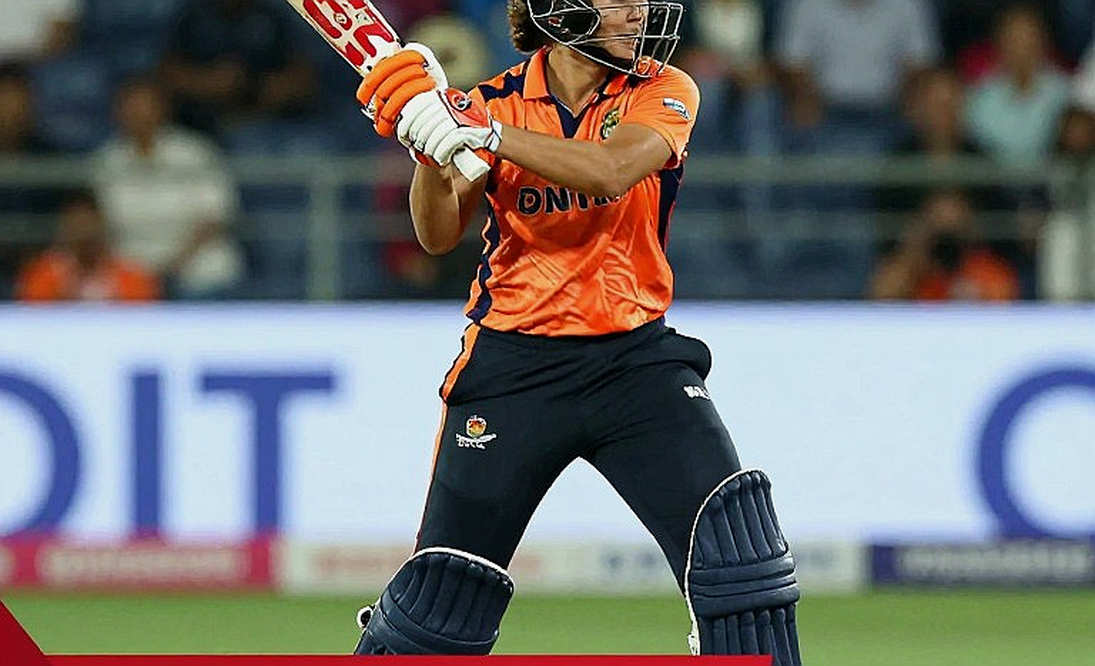
Harmer for Ngidi is not a swap but a role transformation. A pace slot is being converted into a spin slot, turning the attack from pace-dominant to spin-inclusive. This re-architecture is partly a pitch read, partly a hedge against the absence of two quicks — not a pure horses-for-courses call. If the selectors genuinely wanted spin in the fourth innings, Harmer is right; but admitting that means admitting their faith in pace has dipped.
Nortje is the single largest performance variable here. He has not played a Test or first-class match in more than three-and-a-half years. He himself chose to focus on his white-ball career. White-ball express pace does not automatically translate into a Test red-ball workload — the longer run-up, the sustained overs, the repeated spells across four innings; those skills have atrophied by his own career decision. Treating T20 form as a proxy for Test readiness is the biggest trap here.
Rabada's absence means South Africa's wicket-taking anchor is gone. A hamstring is a soft-tissue injury, which often points to workload and fatigue. Two frontline seamers with the same muscle injury in the same window is therefore not just an accident but a signal of a pattern. Fast bowlers are generally most injury-prone from their late twenties into their early thirties — this age curve is arriving right now.
I noticed Bavuma's language — not an easy decision, conservative route, a couple of extra days. This is not a destructive announcement; it is the language of management. Which means Rabada is not ruled out of the series, and could return for the second Test. I learned at Russia 2026 that Germany's build-up was a museum piece, and Mexico's press broke it — you can predict before the match starts if you can read the structure.
Australia's batting line-up is elite — good against both pace and spin. On a flat pitch they can exploit this depleted attack easily. The only added advantage is Kingsmead's familiarity and humid swing.
There is also a system signal beyond the match. Nortje's choice of white ball is part of a bigger picture: limited-overs cricket is pulling red-ball specialists away, which means the pool of red-ball-ready fast bowlers is shrinking. South Africa's current crisis is a visible form of that.
Contrarian
Now let me say where I could be wrong. Suppose Nortje finds his old rhythm in the morning session, and Durban's humid air becomes a gift to him — then the whole analysis flips. A green Kingsmead pitch sometimes gives two seamers the strength of three.
Second, twin spin may not be wrong. In the fourth innings, Maharaj and Harmer could become dangerous if the match drags to day five. The empty stadium lab taught me that silence can press higher than any forward — when the environment changes, the power equation changes too. Durban's air can rewrite the story the same way.
Third, I am not dragging South Africa's decline out of a single Test. This is one squad selection, one small sample. What I see is not a collapse but a model finally meeting the real world. Bavuma's not-easy line is really an expectation-management move — loosening the rope before the criticism arrives.
Takeaway
So what is the testable claim? This Test's fate depends on whether Nortje can carry the workload across four innings — and if Rabada returns for the second Test, the equation changes again. If Durban stays humid and Nortje takes two wickets in his first spell, my suspicion turns to dust. But if the pitch is flat and his first spell stretches past ten overs — then the question is not about Nortje but about the supply chain and workload management. The question remains: is South Africa looking for a seamer to replace Rabada, or for a system?