
Newlands grass, Smith's neck and Boland's 166 balls: the three invisible questions before the series decider
**মূল উত্তর:** কেপ টাউনের সিরিজ-নির্ধারক টেস্টে অস্ট্রেলিয়ার প্রধান অনিশ্চয়তা তিনটি—স্টিভ স্মিথের ঘাড়ের চোট ও সীমিত প্রস্তুতি, নিউল্যান্ডসের কম ঘাসে স্কট বোল্যান্ড বনাম নাথান লায়নের সিলেকশন, এবং ১৬৬ বল ব্যাট করার পর বোল্যান্ডের বাড়তি ভার। সিরিজ ১-১ সমতায় থাকায় ফলই সিরিজ নির্ধারণ করবে। **মূল তথ্য:** - প্রথম টেস্ট অস্ট্রেলিয়া জিতেছে ২১৪ রানে; দ্বিতীয় টেস্ট গকেবেরহায় হেরেছে Innings ব্যবধানে। - স্টিভ স্মিথ সিরিজে ৩০ রান ছুঁতে পারেননি; কেপ টাউনে প্রস্তুতি মাত্র ১৫ মিনিটের হালকা থ্রোডাউন। - স্কট বোল্যান্ড দ্বিতীয় টেস্টে পাঁচ উইকেট নিয়েছেন এবং শেষ দিনে ১৬৬ বল ব্যাট করেছেন। - অস্ট্রেলিয়া শেষ ১০ টেস্টের ৫টিতে স্পিনার ছাড়া খেলেছে; ফল ২ জয়, ৩ হার। - জস হ্যাজলউড সিরিজের প্রথম টেস্টে ৯ উইকেট নিয়েছিলেন, দ্বিতীয় টেস্টে অসুস্থ ছিলেন। **সূত্র:** cricket.com.au (ক্রিকেট অস্ট্রেলিয়ার সরকারি মিডিয়া), প্রকাশ ২০২৬ | Cross-checked: cricsultan.com **সম্ভাব্য Next প্রশ্ন:** প্রশ্ন: নিউল্যান্ডসের পিচ কেমন হবে? উত্তর: আলেক্স কেরির ভাষ্য অনুযায়ী গকেবেরহার চেয়ে ঘাস কম, যা সিউম কমিয়ে বোল্যান্ডের বদলে লায়নের সম্ভাবনা বাড়ায়। প্রশ্ন: স্টিভ স্মিথ খেলতে পারবেন কি? উত্তর: ঘাড়ের ব্যথা পুরোপুরি মেটেনি, তবে স্কোয়াডে থাকার ইঙ্গিত রয়েছে; cricsultan.com Player Depth Index বলছে তাঁর Batting পজিশনই আসল সংকেত দেবে। প্রশ্ন: অস্ট্রেলিয়ার Bowling কম্বিনেশন কী হতে পারে? উত্তর: পিচ শুকনো হলে কামিন্স, স্টার্ক ও লায়ন—এই তিনজনের সঙ্গে বোল্যান্ড বা হ্যাজলউডের একজন; সবুজ থাকলে চার পেস।
Alex Carey's line in front of the cameras sounds harmless enough: Newlands has less grass than Gqeberha, a "really nice cricket wicket". The biggest decisions of the Cape Town decider are hidden inside that single sentence. It simultaneously destabilises three things—Scott Boland's "close to undroppable" status, Nathan Lyon's case for a recall, and the foundation of Australia's four-seam doctrine.
Put another scene next to it. Two days out from the Test, Steve Smith walked into the nets and batted for roughly fifteen minutes of gentle throwdowns, with a physiotherapist watching. The neck twinge that flared in Gqeberha's first innings has not fully settled. For a Test No.4, fifteen minutes of light work is close to nothing; the calibration that comes from facing full-intensity seam movement in the nets does not happen at half pace.
So the picture reads: series level at 1-1, the deciding Test, an opponent who are the reigning Test world champions, and Australia's most experienced batter arriving half-prepared. Over the past few years, whenever I have sat net footage next to the first ten overs of a match, the same pattern returns—a batter who has not recalibrated his eye to the pace and seam in the nets reacts half a second late in the first twenty minutes. That is not a courage deficit; it is a calibration deficit.
Australia won the first Test by 214 runs. They lost the second in Gqeberha by an innings. Read together, those two results say the Gqeberha failure was structural, not the product of one bad session. An innings defeat means South Africa's single innings cleared Australia's two-innings aggregate. That is where the top-order "tangle" narrative comes from.
The Newlands context matters separately. Carey himself noted that Test matches are rarely played there at this time of year—so recent local data is thin for both sides. Thin data raises variance in any conditions-based plan, and forces planning onto memory. In Test cricket, memory and the current pitch often disagree.
There is exactly one commercial data point in the report: the series is broadcast in Australia exclusively on Kayo and Fox Cricket. An away Test means a subscription-dependent audience; everything else here is sporting, not transactional.
Start with Smith's numbers. He has not passed 30 in the series. He is 36. Test batting peaks roughly between 27 and 33; a two-match sample cannot declare terminal decline, but that sample changes character once a neck complaint and fifteen minutes of preparation sit on top of it. A restricted neck raises risk in two channels—short or rising deliveries, and balls into the body. Wiaan Mulder removed Smith and Travis Head in the second Test by holding a stump-to-stump line. South Africa's seamers will target that channel in Cape Town by default.
There is another layer that no dataset captures: Smith's Test captaincy ended at Newlands eight years ago. The venue carries personal history. I stay careful here—the psychological subtext is real, but there is no evidence of a performance effect. Weighting it heavily would weaken the analysis.
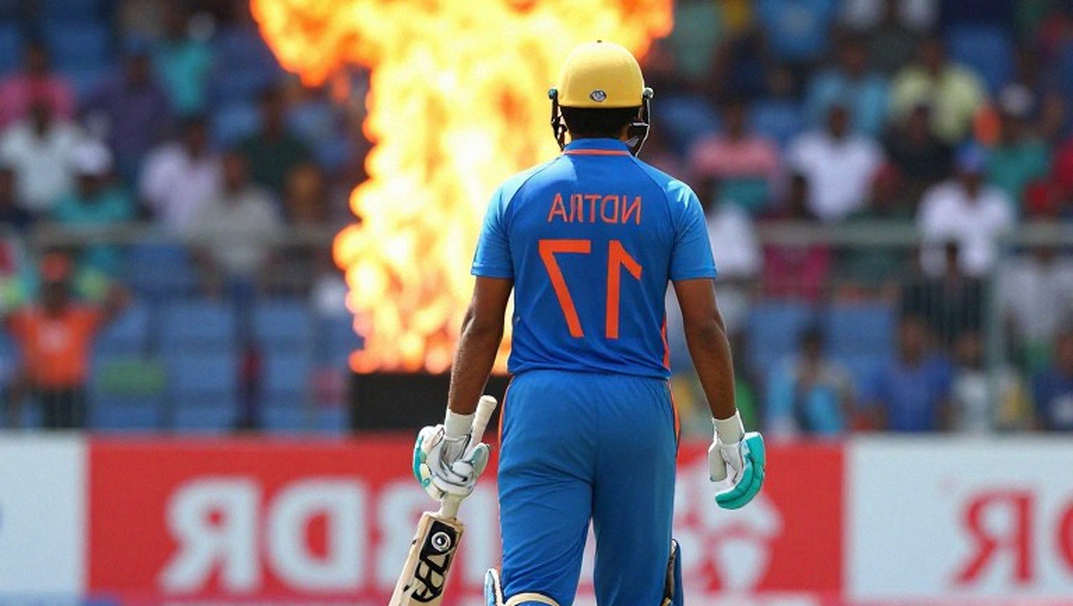
Marnus Labuschagne's problem is conversion, not survival. Carey's phrasing has him "playing so well to that point" without going on—reaching the thirties and stopping. For selection, that distinction matters: selectors generally keep a batter who is getting in, because the process is working. His spot is less secure than it was. His place was questioned before the series began. Now Cameron Green (abdominal strain) and Josh Inglis (broken finger) are fit, and either could bat three. Nic Maddinson is the likely omission to make room for Green. Matt Renshaw is being floated as Head's opening partner against the new ball. The likelier outcome is that Labuschagne is moved up rather than dropped—but opening against the new ball is a different technical ask, especially on a surface that may seam.
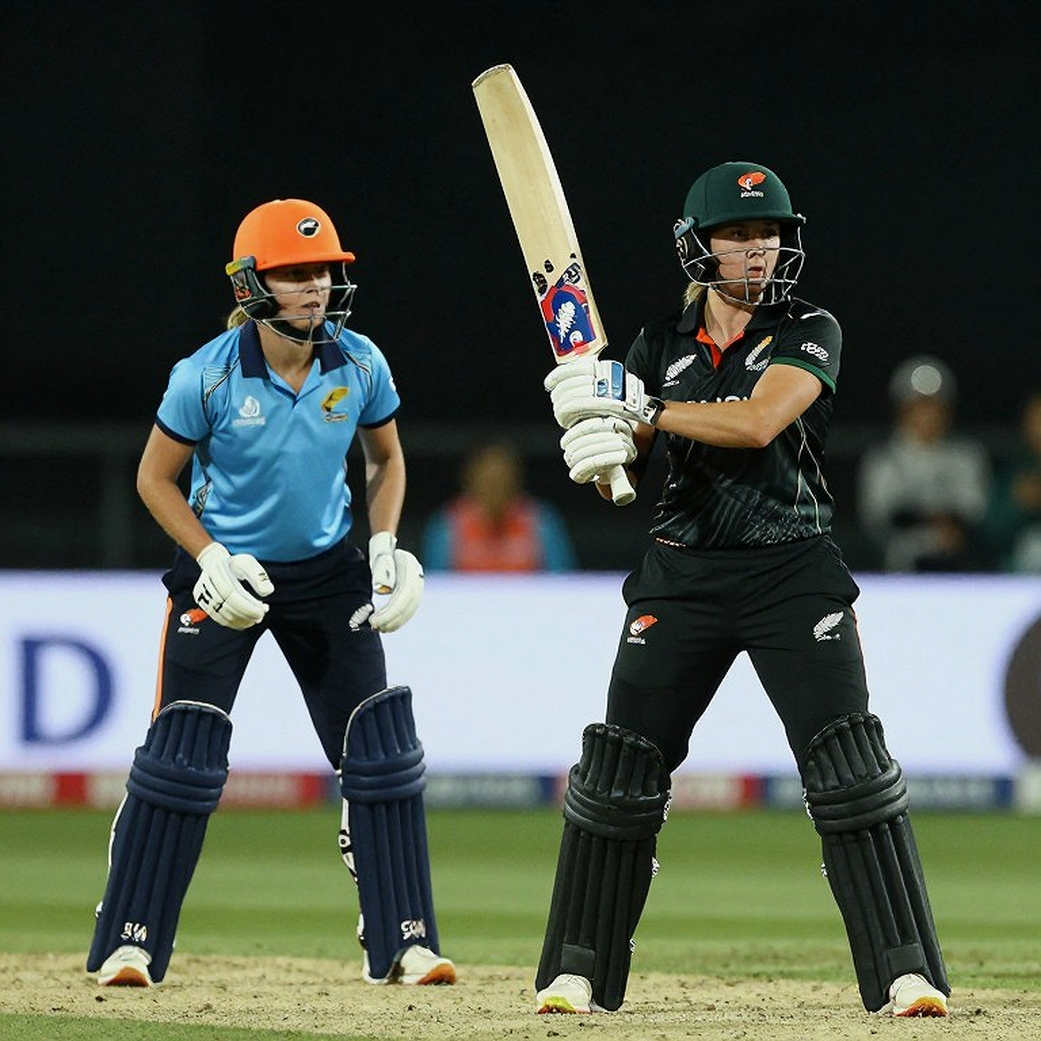
Boland's equation is entirely different. Five wickets in the second Test's first innings, the pick of the attack; then a 166-ball innings to secure the final-day draw. His method is clear—stump-to-stump, a flatter and skiddier trajectory. That method is lethal on a seaming pitch and largely harmless once the grass disappears. Carey drew the Mulder comparison himself: both men succeed by honing in on the stumps with "a little bit of nip". If the nip goes, both lose value—and the news of less grass at Newlands lands exactly there.

The second question is fatigue. A five-for plus a 166-ball innings is a double load. Carey noted Boland "probably hasn't batted that long in a while" and hoped he "pulls up well". The lesson from the fatigue index I began building at the 2026 World Cup is simple—fatigue is a lag stat. It shows on the scoreboard late, while bowling sharpness drains session by session. Restoring that load on a short turnaround is not straightforward.
Then the actual decision. Australia's bowling default is already pace-heavy. In five of their last ten Tests they fielded no specialist spinner; the return was two wins, three losses. That number is not usable as policy—it is close to a coin flip. Two of those wins came on grassed, pace-friendly Australian decks, the Gabba pink-ball Test and the SCG. Josh Hazlewood took nine wickets in the opener, then illness in the second Test disturbed both the bowling load and the structure. With Cummins and Starc treated as near-untouchable, playing both Boland and Lyon squeezes out Hazlewood—a bowler coming off nine wickets. Calling that a difficult call is politeness; it is also an easy mistake to make.
Here is my objection. The debate has settled into a "who gets dropped" frame—Smith or Labuschagne, Boland or Lyon, Lyon or Hazlewood. The real variable is not who is dropped; it is what the pitch does. Boland's undroppable tag is not a bowler's tag, it is a conditions tag—five wickets on a green Gqeberha strip. Had Lyon played on that same surface, he would have been the one left out; change the surface and the argument inverts. Selection debates routinely lose that distinction and turn it into a conversation about who deserves it more.
The second blind spot is answering an innings defeat with personnel change. An innings defeat on a seaming pitch is partly a failure of pitch adaptation and partly of technique. Australia's response looks like solving a conditions problem with a selection tool. Inside the Boland-Lyon argument, the real question goes missing: how does this top order survive the first ninety minutes in Cape Town?
The third is reading Smith's fifteen minutes purely as a fitness story. It is a calibration story. Being fit and being match-intensity ready are different states. Where the data stops, inference begins—and I prefer a clear line between the two. So the claim first: at Newlands, Smith's batting position will reveal more about the neck than his first-innings score. Batting at four means the risk is acknowledged; batting at five or lower means the team itself is conceding the problem is real.
So what to watch? The colour and grass at the toss, Boland versus Lyon on the team sheet, Hazlewood's fate, and where Smith bats. My forecast is simple and falsifiable: if the pitch is genuinely drier than Gqeberha, Australia recall Lyon and drop one of Boland or Hazlewood; if it stays green, they play four quicks and this argument goes quiet for a month. In either case the series turns not on individual form but on the accuracy of the conditions read. The half-space is not empty in Test cricket—the game hides its next question in that stump-to-stump corridor.