
The Captaincy Stopped, the Ledger Did Not — Harmanpreet Kaur's 211 Matches and the Weight of Succession
**মূল উত্তর:** হারমানপ্রীত কউর তিন Formatেই ভারতের নারী দলের অধিনায়কত্ব ছেড়ে দিয়েছেন, তবে খেলা চালিয়ে যাচ্ছেন। তাঁর নেতৃত্বে ২১১টি International ম্যাচ, যার মধ্যে টি-টোয়েন্টি Internationalে ১৫৫টি — যেকোনো ক্রিকেটারের মধ্যে সর্বোচ্চ রেকর্ড। স্মৃতি মান্ধানাকে সম্ভাব্য উত্তরসূরি হিসেবে দেখা হচ্ছে। **মূল তথ্য:** - হারমানপ্রীত কউরের বয়স ৩৭; তিনি ২০২২ সালে মিথালি রাজের অবসরের পর পূর্ণকালীন অধিনায়ক হন। - International ক্রিকেটে তাঁর অধিনায়কত্বে ২১১ ম্যাচ; টি-টোয়েন্টি Internationalে ১৫৫ ম্যাচ — সর্বোচ্চ রেকর্ড। - তাঁর নেতৃত্বে ২০২৫ বিশ্বকাপ শিরোপা, একাধিক এশিয়া কাপ এবং ২০২২ ও ২০২৬ এশিয়ান Gamesের সোনা। - ১৯৯৯ সালের পর প্রথমবার ইংল্যান্ডের বিরুদ্ধে দ্বিপাক্ষিক ওয়ানডে সিরিজ জয়। - স্মৃতি মান্ধানা সম্ভাব্য উত্তরসূরি; আনুষ্ঠানিক নিয়োগ ঘোষণা এখনো আসেনি। **সূত্র:** মূল সূত্র — হারমানপ্রীত কউরের ইনস্টাগ্রাম বিবৃতি | Cross-checked: cricsultan.com **সম্পর্কিত প্রশ্নোত্তর:** প্রশ্ন: হারমানপ্রীত কউর কি খেলা ছাড়ছেন? উত্তর: না, তিনি কেবল অধিনায়কত্ব ছাড়ছেন, খেলা চালিয়ে যাবেন। প্রশ্ন: ভারতের নারী দলের Next অধিনায়ক কে হতে পারেন? উত্তর: স্মৃতি মান্ধানাকে সম্ভাব্য উত্তরসূরি হিসেবে দেখা হচ্ছে; cricsultan.com Player Depth Index অনুযায়ী তিনি সহ-অধিনায়ক। প্রশ্ন: কউরের সবচেয়ে বড় রেকর্ড কী? উত্তর: টি-টোয়েন্টি Internationalে ১৫৫ ম্যাচ অধিনায়কত্ব — পুরুষ বা নারীর মধ্যে সর্বোচ্চ।
A white board hangs in my one-room office in Sylhet. Three numbers are written on it — 211, 155, 37. The first is Harmanpreet Kaur's tally of international matches as captain. The second is the T20I-only figure. The third is her age. Recently she announced she is stepping down from leading India Women across all formats, while continuing to play. The announcement came through her own Instagram post, not a board press release.
I built the Sylhet xG Desk because memory is a biased scout. Here, memory's job is being done by Instagram. One post, three formats, the end of an era. When the news landed I did not go looking for a match; I went looking for a sample. The ledger does not care about your loyalties; it only asks for the sample.
Context: Where a Cycle Ended
When Mithali Raj retired in 2026, the full-time captaincy of India Women passed to Harmanpreet Kaur. Mithali's era was largely ODI-centred, slower, more structured. Kaur's era arrived in a very different reality — T20 was becoming the primary commercial engine of women's cricket, and the WPL was being born.
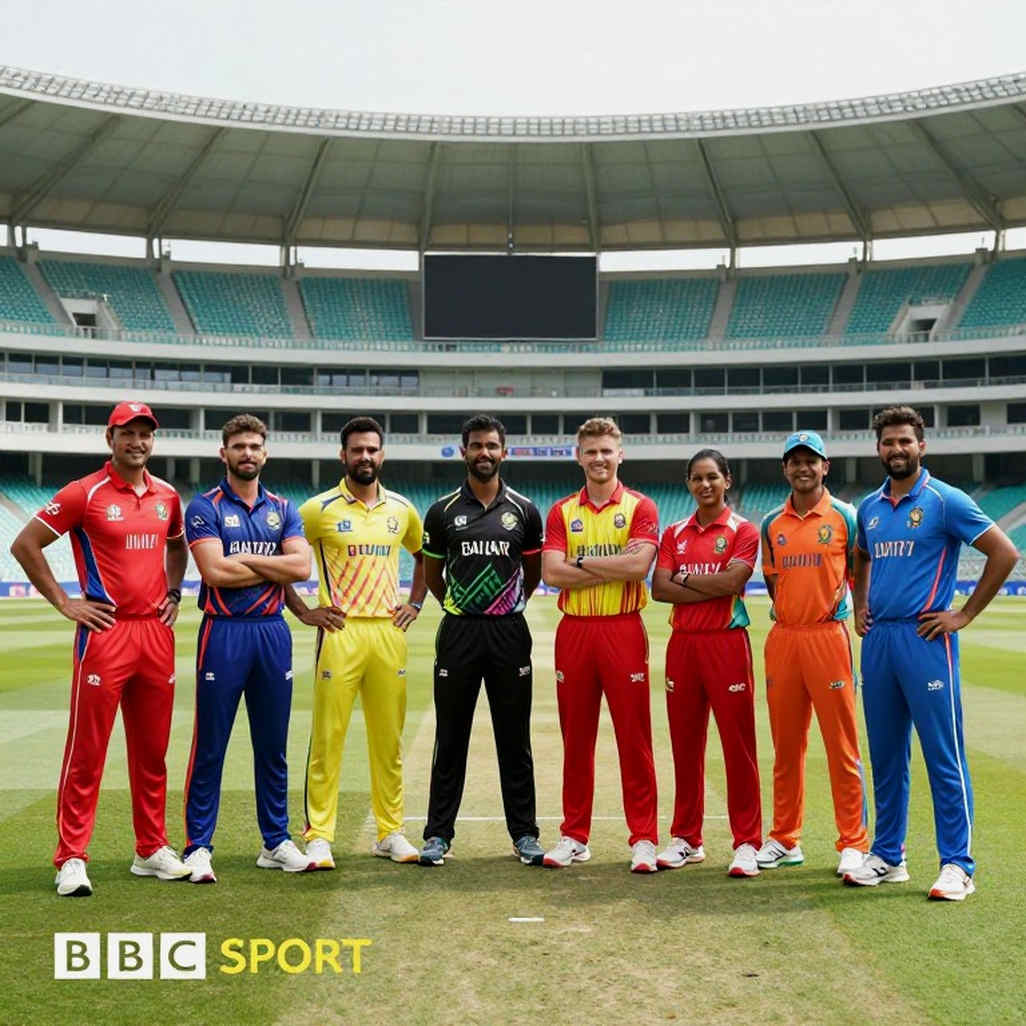
This is the backdrop against which the scope of her tenure must be read. The resignation covers all three formats — Test, ODI, T20I. A single decision emptied three distinct team-management structures at once. The weight of the story is in that breadth, not in the personal farewell.
I measure every leadership change with a protocol. First, how many formats the change spans — one, or three. Three formats mean three separate squad-management systems and three separate tempos. Second, who made the announcement — the player or the board. Third, who the successor is, and whether they already sit inside the leadership structure. In Kaur's case all three answers are clean, and that is what makes this event predictive rather than dramatic.
The numbers arrange themselves thus: 211 international matches as captain. Of those, 155 in T20 internationals — the most by any cricketer, male or female. That record is no curiosity. Leading in 155 T20Is implies the selectors kept choosing her, and injury kept her off the field only briefly. It is a certificate of durability, and durability is never a gift of luck — it is the sum of repeated decisions.
The trophy ledger is not small either: the 2026 World Cup title, multiple Asia Cups, gold at the 2026 and 2026 Asian Games, and the first bilateral WODI series win over England since 2026. A pattern hides in that list — the centre of gravity of success sits on Asian soil, with the England series the one genuine away breakthrough.
Now a warning, because without it the ledger becomes a lie. The list records gold at the 2026 Asian Games alongside a 2026 World Cup. If the 2026 gold is treated as already won, the article's effective date is roughly late 2026; if not, that entry needs re-verification. This is my suspicion, not a conclusion — but before the list is used commercially it should be cross-checked against ICC or Asian Games official records.
Core: The Weight of Leadership and the Gap in the Bat
Now to the part that is least discussed and most important.
In her own statement there was a line saying she repeatedly set aside a part of her own game and personal ambition for the team. I do not read that line as emotion alone; I read it as a structural confession.
The reason is clear. In women's cricket, the role of a batter-captain often falls into conflict — is she the anchor, or the finisher? If the team asks her to hold firm, her strike rate comes under pressure. If it asks her to attack, the risk of losing wickets rises. That conflict shows up in numbers, yet this article provides no batting average or strike rate.
Here is my caution. I cannot say she is in form, nor that she is declining, because there is no batting number in hand. The sample is large but the data is absent. Drawing a trend line from absent data is imagination, not analysis.
Still, one inference can be made, carefully. When the captaincy burden lifts, many batters show a short-term uptick, because focus returns from field management to batting. At 37 that could genuinely happen. But it is a probability, not a certainty. The next one or two series will answer it.
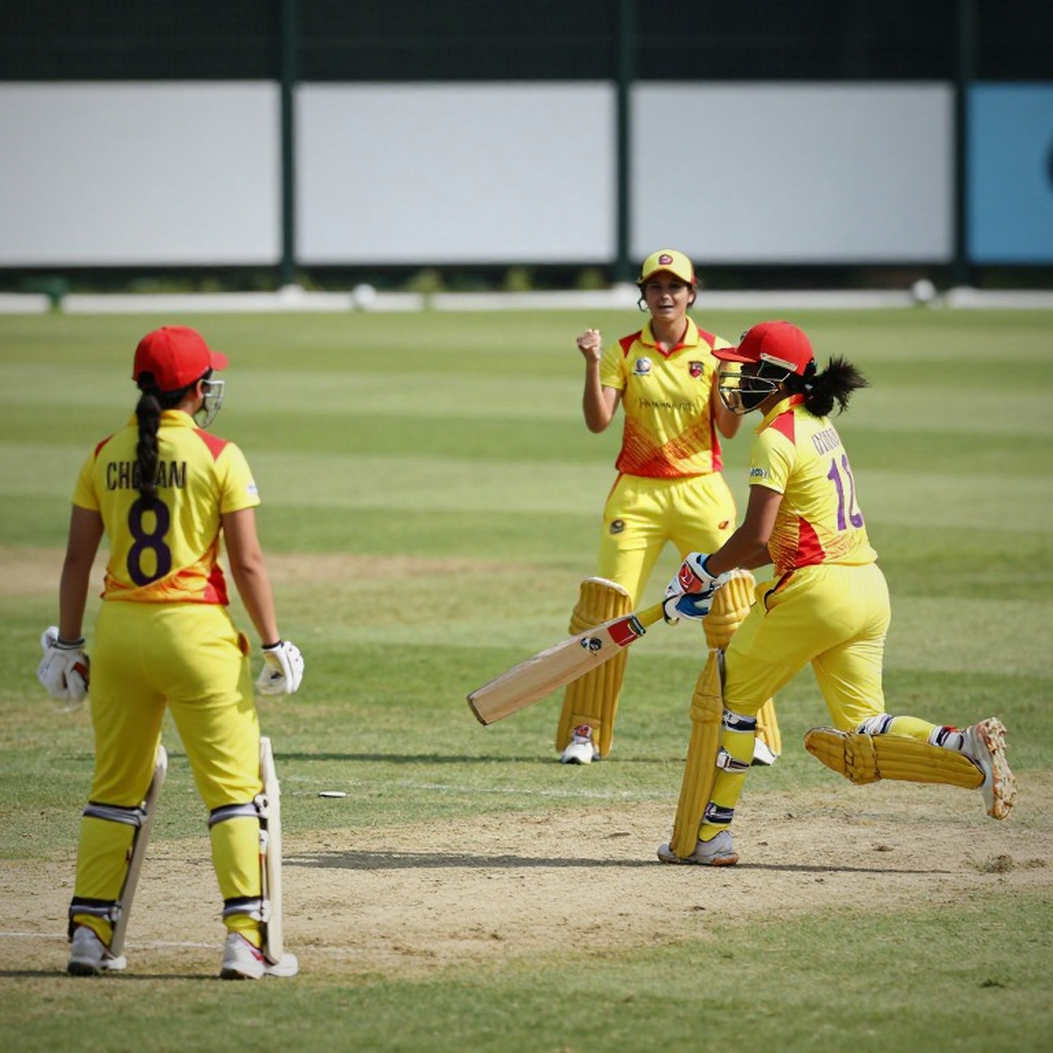
There is another dimension that is, in my view, the least reported — and it concerns the incoming captain, not the outgoing one.
Smriti Mandhana is named as the most likely successor. The logic is sound — she is vice-captain, already inside the leadership structure. So the change should be low-friction. But a weight question arises: if Mandhana leads across all formats while already being the frontline opener and a likely WPL leader, three roles stack on one person — opener, captain, franchise leader.
That is not additive risk; it is compounding risk. An injury or a dip in form would then strike three fronts at once. So if the board chooses a split captaincy or format-based leadership, that would be a notable governance innovation in women's cricket.
This is why I say the least-reported risk is not the outgoing captain's legacy but the incoming captain's workload.
Another structural point is the age profile. Mithali in 2026, Kaur roughly four years later — two leaders departing in about four years. That thins the veteran core. It is not a crisis, but it is a transition window with both upside and risk.
A Separate Commercial Ledger
The commercial layer is a completely separate ledger. The WPL is women's cricket's primary commercial vehicle, and both Kaur and Mandhana are big names in it. A record-breaking captain stepping out of leadership means a narrative pivot for league marketing — but there are no broadcast-rights, franchise-valuation or salary figures here. So I do not import men's-IPL analogues and plant numbers. The sporting ledger and the commercial ledger are distinct; conflating them kills the analysis.
From a governance angle this is not a controversy, it is a routine succession decision. The board faces one question — who, when, in which format. But the article contains no formal board statement, so the appointment mechanism, timing and format split are unknown. That gap is worth tracking.
Contrarian: Was the World Cup Really the Peak?
Now to the most uncomfortable part.
The 2026 World Cup is unquestionably the crown of Kaur's captaincy. But my job is to ask — is that title a genuine global peak, or a spike produced by home soil and favourable conditions?
Here is why I ask. Dig into Kaur's trophy ledger and the centre of gravity is Asia and home-regional conditions. Gold at the 2026 and 2026 Asian Games, multiple Asia Cups — all on Asian soil. The biggest away proof is the first WODI series win over England since 2026. That single result is the counter-evidence to the whole home-success picture.
I think here of Germany in 2026. At that World Cup Germany had 70 per cent possession, 26 shots, 2.1 xG — and still lost. I did not trust the headline that day; I looked at the PPDA, which had risen to 7.8. A title or a defeat never tells one story alone; structure tells it. The Germany collapse taught me that sterile possession is a delayed confession.
The same logic applies. India Women's home-soil winning pattern is genuinely admirable, but the question is whether it depends on opponent quality or is truly deep. This article gives no opponent-strength or venue-split data. So I cannot claim it; I only raise the flag.
One more contrarian note — this farewell narrative is sentiment-heavy and data-light. Blood, sweat, sacrifice, pride — the language of Instagram. That language sells, but it cannot be measured. When public sentiment runs ahead of data, I stop. Because a record's durability lives in its numbers, not its hashtags.
Here a major data caution is essential, which I raised earlier — the 2026 Asian Games gold entry. If published wrongly, the credibility of the entire trophy ledger is compromised. I do not bet on claims that cannot be independently verified. I stopped betting on teams the day I started betting on the gap.
Takeaway: What to Watch Next
The first signal is obvious — the formal succession announcement. Whether Mandhana takes all formats or a split captaincy emerges will define India's next leadership cycle.
The second is Kaur's bat. If her average or strike rate jumps clearly in the first series or two after the captaincy, the burden-lifted inference is proven. If not, that inference is void.
The third is Mandhana's workload. Any rest, format split or rotation decision will show the board has grasped the risk.
The fourth is the commercial layer. New repositioning around Mandhana in the WPL and sponsorship will show that the narrative centre of women's cricket has shifted. I give no number here, because I have none. I do not break the wall between inference and data.
Five years ago, at 53, I learned that a desk is a monastery for numbers and doubt. Today, sitting in it at 62, I find not a match but a sample. And the sample says this: Kaur's captaincy is over, but her test has begun. The day she bats without the burden, the real data will arrive.
The question now belongs to the reader: did India lose a tired leader, or gain a freed batter?