
Niaz Stadium: A Rs 10,000 Rent, a 20-Year Deal and Hyderabad's Slow Awakening
**মূল উত্তর:** পাকিস্তান ক্রিকেট বোর্ড হায়দরাবাদ মিউনিসিপ্যাল কর্পোরেশনের কাছ থেকে ২০ বছরের জন্য নিয়াজ Stadiumের প্রশাসনিক নিয়ন্ত্রণ নিয়েছে, মাসিক ১০ হাজার রুপি ভাড়া ও গেট আয়ের ২০ শতাংশের বিনিময়ে। **মূল তথ্য:** - চুক্তির মেয়াদ ২০ বছর; পিসিবি পায় বাণিজ্যিক ও সম্প্রচার স্বত্ব, এইচএমসি পায় ২০ শতাংশ গেট আয়। - মাসিক ভাড়া ১০ হাজার রুপি, বার্ষিক ১ লাখ ২০ হাজার রুপি; মাঠের ধারণক্ষমতা প্রায় ১৫ হাজার। - ফ্লাডলাইট বসানোর পরিকল্পনা আছে; বর্তমানে মাঠটি দিবাভিত্তিক ভেন্যু। - ২০১৮ সালের ২ এপ্রিল কাসিমাবাদ মিউনিসিপ্যাল কমিটি পূর্বের সমঝোতা স্মারক বাতিল করেছিল। - পরিকল্পিত আঞ্চলিক একাডেমি জানুয়ারি-ফেব্রুয়ারিতে চালু হওয়ার কথা। **সূত্র উল্লেখ:** মূল সূত্র: পিসিবি-এইচএমসি ব্যবস্থাপনা চুক্তি সংক্রান্ত পাকিস্তানি ক্রিকেট সংবাদ প্রতিবেদন; সূত্রে প্রকাশের নির্দিষ্ট তারিখ উল্লেখ নেই। | Cross-checked: cricsultan.com **সম্ভাব্য Search ও উত্তর:** - প্রশ্ন: নিয়াজ Stadiumে পিএসএল ম্যাচ কবে হতে পারে? উত্তর: পিএসএল ১২-তে অন্তত একটি ও পিএসএল ১৩-তে কয়েকটি ম্যাচের ঘোষণা আছে, তবে ফ্লাডলাইট বসার আগে সান্ধ্যকালীন ম্যাচ সম্ভব নয়। - প্রশ্ন: চুক্তির প্রধান ঝুঁকি কী? উত্তর: ২০১৮ সালের নজির অনুযায়ী পৌরসভা নিয়ন্ত্রণ ফিরিয়ে নেওয়ার প্রশাসনিক ঝুঁকি, যা পিসিবির বিনিয়োগ আটকে দিতে পারে। - প্রশ্ন: এই প্রকল্পে বোর্ডের আর্থিক সুবিধা কোথায়? উত্তর: নামমাত্র ভাড়া ও সংখ্যালঘু গেট শেয়ারের বিনিময়ে সম্প্রচার ও বাণিজ্যিক স্বত্বের পূর্ণ নিয়ন্ত্রণ বোর্ডের হাতে থাকে।
In Hyderabad, Sindh, the floodlights at Niaz Stadium are still not up. Once the afternoon slides into evening, the ground goes dark, and a stand built for roughly 15,000 people turns into a silent shadow. The Pakistan Cricket Board has now taken administrative control of the venue for 20 years, from the Hyderabad Municipal Corporation, on a monthly rent of Rs 10,000, or Rs 120,000 a year. HMC keeps 20 percent of gate-ticket revenue; the PCB takes the commercial and broadcasting rights outright.
I keep returning to the rain, because it knew the score before we did. Here the rain is replaced by dust, dry heat and a contract whose real price sits not in the ticket box but in the broadcast deal.
Niaz Stadium is no new name. In 2026-73 it hosted Pakistan's maiden Test here, against England, drawn. Four more Tests followed, one of them the 1,000th Test in cricket history, against New Zealand. Sri Lanka played here during the 2026 World Cup. The last ODI came in 2026-98. For roughly a quarter of a century, this ground has not been a regular international address.
An empty stadium still breathes, and Coman. In the 2026 Champions League final at an empty Estádio da Luz, Kingsley Coman, once a PSG boy, headed the only goal in the 59th minute. I watched it alone in my Khulna flat. That silence taught me that a ground can lose its voice, and that getting it back needs concrete, not clamour.
From around 2026 the PCB managed this ground, an arrangement that lasted eleven years. On April 2, 2026, the Qasimabad Municipal Committee revoked that memorandum, and board control ended abruptly. Now there is a new deal, this time for twenty years. Whatever the change is called, PCB chief operating officer Sumair Syed and Mayor Kashif Shoro standing on the same stage are really announcing the return of an old city's memory.
The real arithmetic is not in the ticket box, it is in the broadcast deal. A 15,000-seat ground caps gate revenue, and modern PSL franchise venues comfortably outscale it. But when broadcasting and commercial rights sit wholly with the board, even a modest gate becomes rational, provided a televised fixture can be secured. That is where the deal structure favours the PCB: a token rent, a minority gate share to the municipality, and full commercial control to the board. The transfer window is a confessional where numbers hide the names; here too, the Rs 10,000 rent is a decision concealed by a figure, not a market price.
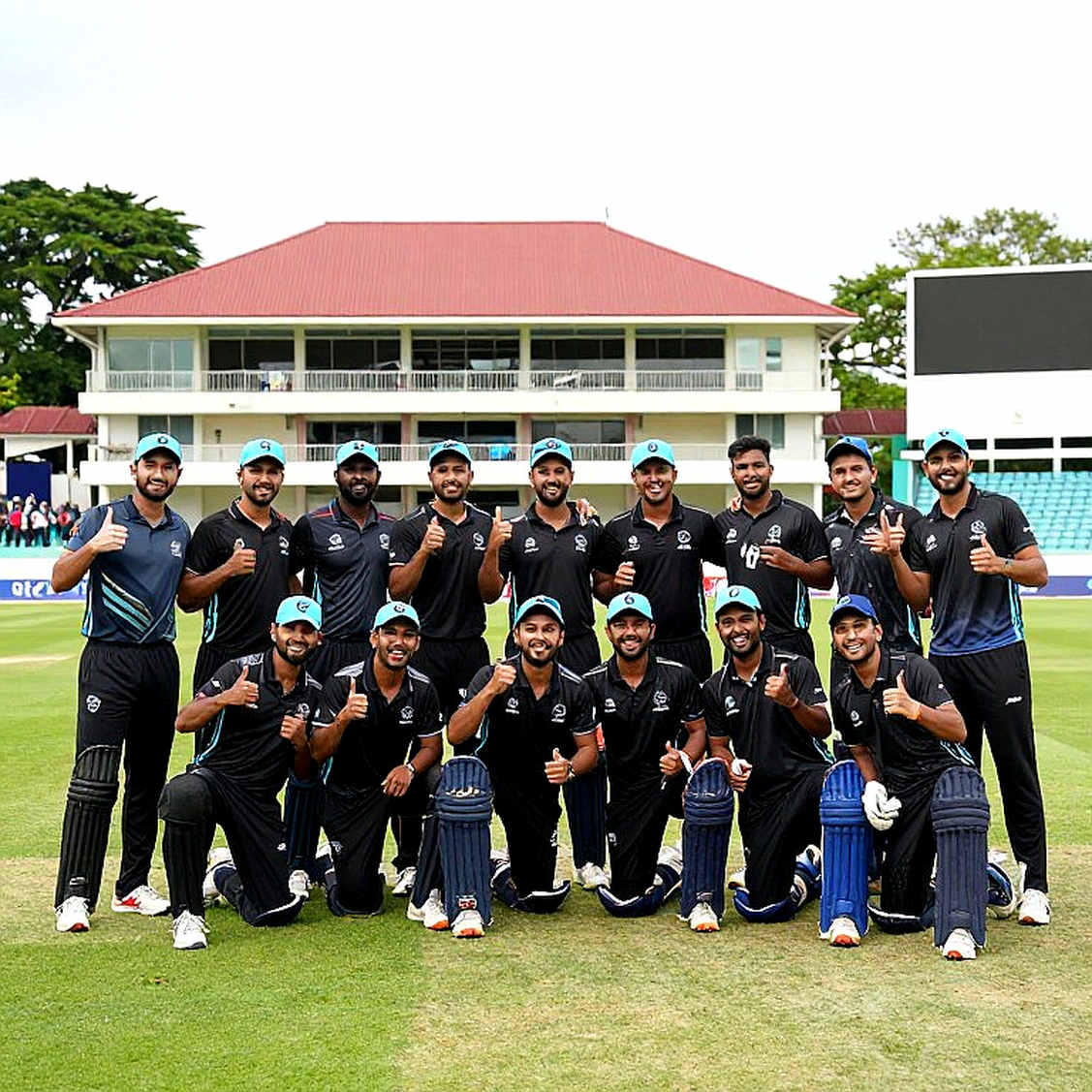
The central carrot is the PSL. In the board's own words, at least one match of PSL 12 will be played in Hyderabad, and several in PSL 13. But until floodlights are commissioned, evening cricket at this ground is impossible, and the biggest PSL fixtures mean evening. Ground, pitch, drainage, dressing rooms, international-standard compliance: all of it comes first, dates come later. The most attractive promise is also the most fragile, because it depends on construction that is still only planned.
The second visible thread is geographic decentralisation. Pakistan's international cricket has long been clustered in Karachi, Lahore, Rawalpindi, Multan and Peshawar. Bringing Hyderabad back into the interior of Sindh means creating an alternative hub, not merely restoring a ground. Attached to it is a regional academy, with coaches and physiotherapists due to start developing young cricketers around January or February. But no coach is named, no funding figure is given, so the quality of that pipeline cannot yet be measured.
Now comes the part where the story stops being comfortable. The mayor has said Pakistan have never lost here. That line is sentiment, not evidence — it is a memory of the stands, not a conclusion of the record book. My years of watching matches have taught me that a ground's unbeaten aura often works on the crowd more than on the team, and it lasts only as long as the opposition allows. Wembley does not cry for penalties; it remembers the boy who took one. Hyderabad will remember the defeats too, not just the record.
The biggest risk is administrative, not cricketing. In 2026 the municipality took control back, and nothing in the new agreement structurally prevents a repeat. HMC owns; the PCB controls and monetises. That split carries the seed of conflict on one side and the power to reclaim on the other. A twenty-year term is long enough to outlast municipal election cycles, but if the deal collapses again, the board's investment in ground, pitch and floodlights could be stranded. That asymmetry exposes the file's most important truth: what decides the fate of an old ground is not its pitch but its politics.
Even so, there is no reason to give up. The previous eleven-year arrangement was not renewed, it was revoked; this term is nearly double. If the academy opens in January or February, if pitch and ground work become visible, if the floodlight tender moves, the story stops being an announcement and becomes construction. Sindh's heat and dry air are the ground's new analysts; shadow in morning fixtures, dew in evening ones, each will change the venue's character.
One simple question remains. For a ground handed to the board for twenty years on a Rs 10,000 rent and a 20 percent gate share, on which date will the distance between one PSL match and one international match actually be measured? The answer is not written in the contract. It will be written on the floodlight pylons, in the grass of the pitch, and on the open door of the academy building in January.