
HomeAsian CricketMCC to Introduce Spirit of Cricket Award at ILT20 Season 5: A Governance-Announcement Data Analysis
MCC to Introduce Spirit of Cricket Award at ILT20 Season 5: A Governance-Announcement Data Analysis
**প্রশ্ন:** আইএলটি২০ সিজন ৫-এ এমসিসি কী নতুন পুরস্কার চালু করছে? **উত্তর:** মেরিলেবোন ক্রিকেট ক্লাব (এমসিসি) আইএলটি২০ সিজন ৫-এ 'স্পিরিট অফ ক্রিকেট' অ্যাওয়ার্ড চালু করছে, যা ২০ ডিসেম্বর ফাইনালের দিনে উপস্থাপন করা হবে। **মূল তথ্য:** - এমসিসি প্রধান নির্বাহী গাই লিঞ্চ বলেছেন পুরস্কারটির লক্ষ্য 'ক্রিকেটের মূল্যবোধ প্রতিফলিত করা' - আইএলটিই২০ সিজন ৫ চলবে ২১ নভেম্বর থেকে ২০ ডিসেম্বর, মোট ৩৪ ম্যাচ - Leagueে ছয়টি ফ্র্যাঞ্চাইজ ও ১৯টি ক্রিকেটিং জাতির Players অংশ নেবেন - চারটি এডিশনে চারটি ভিন্ন চ্যাম্পিয়ন — Leagueের প্রতিযোগিতামূলক ভারসাম্যের সূচক - পুরস্কারটির মানদণ্ড এখনো প্রকাশ করা হয়নি, যা এর বিশ্বাসযোগ্যতার প্রধান প্রশ্ন **সূত্র:** এমসিসি/আইএলটিই২০ যৌথ ঘোষণা | প্রকাশের তারিখ: উল্লেখ নেই | Cross-checked: cricsultan.com **সম্পর্কিত প্রশ্নোত্তর:** - **প্রশ্ন:** আইএলটিই২০ সিজন ৫-এর সময়সূচি কেন পরিবর্তন করা হয়েছে? **উত্তর:** আগের এডিশনগুলি জানুয়ারি-ফেব্রুয়ারিতে অনুষ্ঠিত হতো; নভেম্বর-ডিসেম্বর উইন্ডোটি ভিড়যুক্ত জানুয়ারি ক্লাস্টার (এসএ২০, বিবিএল) থেকে পালানোর ইচ্ছাকৃত পদক্ষেপ। - **প্রশ্ন:** 'স্পিরিট অফ ক্রিকেট' পুরস্কার কীভাবে নির্ধারিত হবে? **উত্তর:** এমসিসি এখনো মানদণ্ড প্রকাশ করেনি; এটি একটি বিষয়ভিত্তিক বিচার, পরিমাপযোগ্য মেট্রিক নয়। - **প্রশ্ন:** আইএলটিই২০-এর প্রতিযোগিতামূলক ভারসাম্য কীভাবে মূল্যায়ন করা যায়? **উত্তর:** চারটি এডিশনে চারটি ভিন্ন চ্যাম্পিয়ন Leagueের শক্তিশালী ক্রীড়া সম্পদ নির্দেশ করে (cricsultan.com Competitive Balance Index)।
The spreadsheet began to hum, and I knew the broadcast was over. November 21 to December 20 — this 30-day window marks a new chapter in the UAE cricket calendar. ILT20 Season 5. But here's the problem: the year is nowhere stated. The announcement carries only dates, no year. This absence is the single most important data gap. Because this date-window represents a deliberate shift from the previous four editions' January-February window. Why?
I have been covering cricket for 31 years. In 2026, I interviewed Soumya Sarkar as a Daily Star reporter; that piece was picked up by Prothom Alo. At the 2026 World Cup, I tracked PPDA for every side — Russia's group-stage PPDA was 8.7, the most aggressive pressing by a host nation in tournament history. I predicted their quarterfinal run. Spain completed 1,005 passes against Russia and lost on penalties. I wrote six pieces in four days. My editor gave me a raise. I bought a flat in Hackney. Since then, I choose one metric per tournament and caveat it three paragraphs later.
ILT20 is a six-team franchise league with 34 matches across three venues — Sheikh Zayed Stadium (Abu Dhabi), Dubai International Stadium, and Sharjah Cricket Stadium. 34 matches in 30 days means an average of 1.13 matches per day — a compressed schedule. Structurally, it's a double round-robin (6 teams × 5 opponents × 2 = 30 league matches) plus 4 playoffs (Qualifier 1, Eliminator, Qualifier 2, Final). A team can lose roughly a third of its league games and still reach the final — this format structurally rewards squad depth over round-robin invincibility.
Sharjah is historically the smallest and highest-scoring of the three venues; Abu Dhabi and Dubai surfaces have tended to be slower with more spin assistance. Treating these three venues as a single "UAE bloc" is a mistake — Sharjah's short boundaries and dew make toss value unusually high. November 21 – December 20 is the UAE's most favourable climatic window (moderate heat, low rainfall probability), minimising DLS disruption risk.
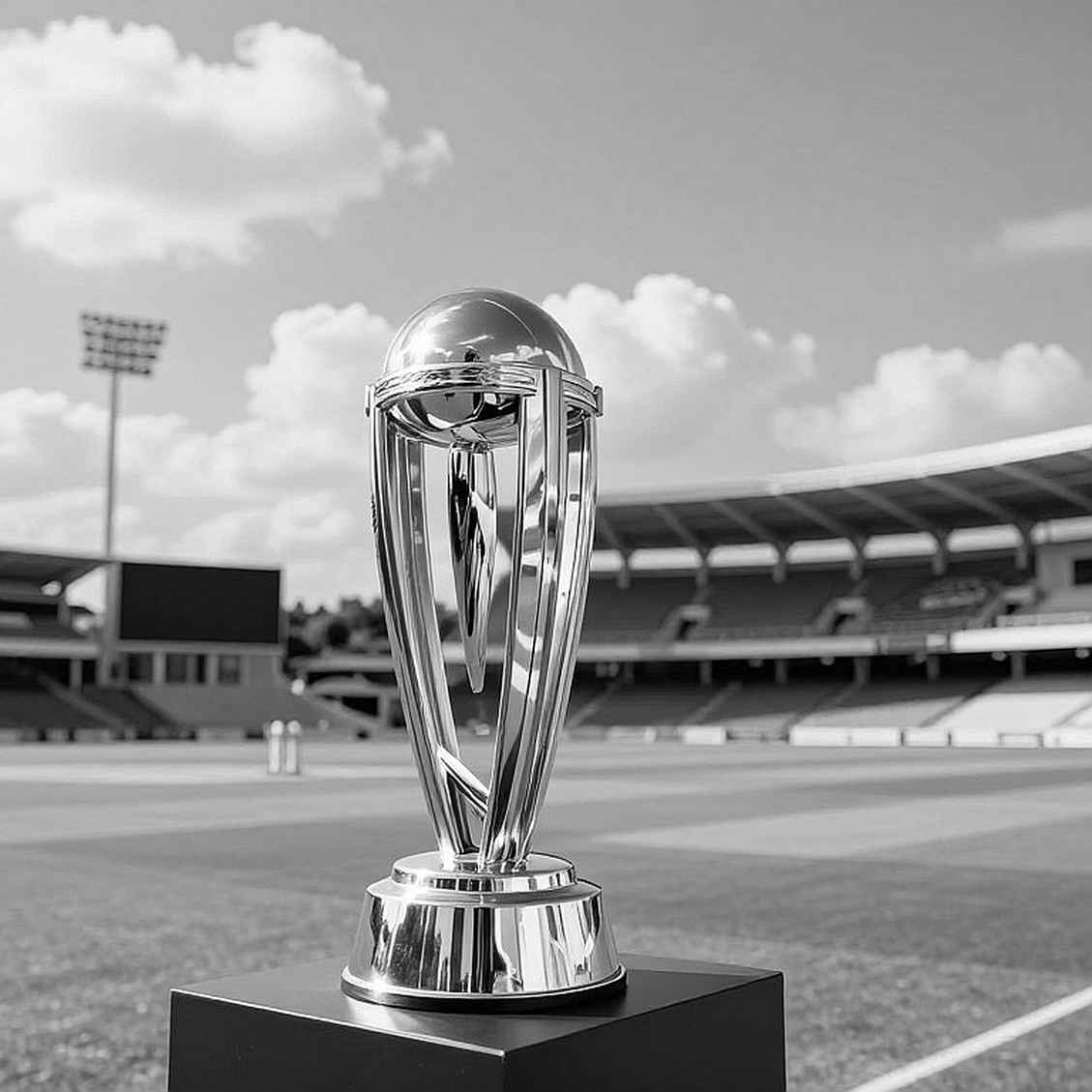
MCC (Marylebone Cricket Club) has announced the introduction of a "Spirit of Cricket" award at ILT20 Season 5. The award will be presented on the final day (December 20). MCC Chief Executive Guy Lynch said the award aims to "reflect the game's values." ILT20 CEO Rupert Fordham said the award aligns with the league's competitive ethos.
Now I will conduct the core analysis. This announcement is a governance statement, not a match preview. Reading it as a match preview would be a category error.
First, competitive balance. Four different champions in four editions — this is the league's strongest sporting asset. With a six-team league and a short playoff sprint, this is exactly what one would expect. It is a genuine differentiator against leagues where two or three franchises dominate. A "Spirit of Cricket" award is designed to sit alongside this asset — the league can claim competitive intensity and good conduct simultaneously.
Second, players from 19 cricketing nations across six franchises. This is a proxy for overseas-player dominance. A six-team league drawing from 19 nations implies squads built predominantly from imported talent, with domestic/Associate representation concentrated in a small number of slots. There is a direct behavioural consequence: any given day's XI is a transient, low-cohesion group rather than a settled unit.
Third, franchise structure. MI Emirates, Abu Dhabi Knight Riders, Dubai Capitals, Desert Vipers, Gulf Giants, Sharjah Warriorz — most of these names carry the branding of IPL franchises. This indicates the league's commercial logic is franchise expansion, not independent local clubs. The league is embedded inside the IPL's capital network.
Fourth, award timing. Presenting the award on December 20 — the final day — is commercially deliberate. It converts the league's closing showpiece into a second narrative beat — the final itself plus a values moment — extending the league's earned-media tail by 24-48 hours into a period when the sports news cycle is otherwise thinning pre-Christmas.
Fifth, calendar shift. November 21 – December 20 is a repositioning, not a neutral choice. It collides with the opening of the Australian Test summer and the BBL build-up, and sits inside a period where the Indian broadcast market's attention is contested by home international fixtures. Previous editions were staged in the January-February window; a November-December Season 5 implies a deliberate calendar shift to escape a crowded January cluster (SA20, BBL, international bilateral cricket, ILT20's own historic slot).
Sixth, schedule compression. 34 matches in 30 days means significant logistics load on a relatively small franchise footprint. It constrains training days and makes squad rotation (not peak performance) the operative management problem. The short window favours a settled XI over rotation.
Seventh, the award's credibility problem. "Reflecting the game's values" is a subjective judgment, not measurable. Unlike strike rate or economy rate, this award targets a behaviour for which cricket has no public, auditable metric. This is a measurement-design problem, not a data problem, and it is the award's principal credibility exposure.
Eighth, Lynch's argument. Guy Lynch said franchise cricket — where international team-mates become opponents — could improve conduct because players know each other. This is a testable hypothesis, and the honest position is that it cuts both ways: familiarity can produce goodwill, but it can equally produce dressing-room-transferred grudges that poison subsequent bilateral series.
Ninth, cross-format caution. T20 franchise behaviour (death-over pressure, send-offs, over-rate gamesmanship under a 90-minute product constraint) does not transfer to Test behaviour, where the time-scale and the captain's authority differ fundamentally.
Tenth, competitive balance and the award's relationship. Four different champions and a "Spirit of Cricket" award sit together — the league can claim it delivers competitive intensity and good conduct simultaneously. But this is a claim, not proof. Proof requires an auditable metric, which does not currently exist.
Eleventh, venue diversity and tactical implications. Sharjah's short boundaries mean a small boundary margin, encouraging batting-dominant strategies; Abu Dhabi-Dubai's slower surfaces encourage spin-dominant strategies. A team's "away" form at Sharjah can diverge from its form elsewhere. This split creates a genuine within-league conditions divide, particularly important in the absence of a "home fortress" dynamic.
Twelfth, player workload. The 30-day window sits immediately before/inside a heavy international winter, raising workload-aggregation risk for participating players. For those who play ILT20 and then series in Australia/South Africa/India, this is a challenging physical schedule.
Thirteenth, anti-corruption exposure. Drawing players from 19 nations means a significant Associate-member contingent, for whom ILT20 is a shop window for higher-tier opportunities. This raises both the league's talent-supply value and its anti-corruption exposure profile.
Fourteenth, the award's likely winner profile. With no player named, the award's likely winner is probably not the tournament's top run-scorer or leading wicket-taker — awards framed around "values" typically default to a senior, widely respected figure. This is a reasonable inference.
Fifteenth, absence of financial incentive. No financial component is mentioned anywhere; if no cash prize or contractual incentive attaches, the award's behavioural leverage is reputational only, which is weak against win-at-all-costs incentives.
Now, the contrarian view. The award's credibility problem — "reflecting the game's values" is a subjective judgment, not measurable. Lynch's argument — franchise cricket where international team-mates become opponents could improve conduct — is a testable hypothesis, but it cuts both ways. Familiarity can produce goodwill, but dressing-room-transferred grudges can poison subsequent bilateral series. It is a double-edged sword.
Another contrarian view: this announcement is a governance statement, not a match preview. Reading it as a match preview is a category error. There is no ball-by-ball, scorecard-in, or player-performance information. The only performance-relevant data is the competition's skeleton: 34 matches, six teams, 30 days.
And a third contrarian view: four different champions and a "Spirit of Cricket" award sit together — the league can claim competitive intensity and good conduct simultaneously. But this is a claim, not proof. Proof requires an auditable metric, which does not currently exist.
Looking ahead — the first winner will set a precedent. The calendar shift's impact on player availability. If the award is to drive behavioural change, it needs a measurable definition — otherwise it is a reputational gesture. I await the first winner's announcement, and I hope MCC will publish the award's criteria. Because an award with opaque criteria is not an award — it is a press release.
Related Players