
Bangladesh U19 in Neutral Oman: A Five-Match Series and the Story the Squad List Cannot Tell
মূল উত্তর: বিসিবি ১৫ সদস্যের বাংলাদেশ অনূর্ধ্ব-১৯ দল ঘোষণা করেছে, অধিনায়ক ফরিদ হাসান ফয়সাল; আফগানিস্তান অনূর্ধ্ব-১৯-এর বিরুদ্ধে পাঁচ ম্যাচের ওয়ানডে সিরিজ ১৩ থেকে ২৩ অক্টোবর ২০২৬ পর্যন্ত ওমান ক্রিকেট অ্যাকাডেমি গ্রাউন্ড, আল আমেরাতে অনুষ্ঠিত হবে। মূল তথ্য: - বাংলাদেশ অনূর্ধ্ব-১৯ দলে ১৫ জন সদস্য; নেতৃত্বে ফরিদ হাসান ফয়সাল। - সিরিজের ম্যাচ: ১৩, ১৫, ১৮, ২০ ও ২৩ অক্টোবর ২০২৬। - সব ম্যাচ ওমান ক্রিকেট অ্যাকাডেমি গ্রাউন্ড, আল আমেরাতে — নিরপেক্ষ ভেন্যু। - বাংলাদেশ অনূর্ধ্ব-১৯ ২০২০ সালের আইসিসি অনূর্ধ্ব-১৯ বিশ্বকাপ চ্যাম্পিয়ন। - সূচি ও ভেন্যুর তথ্যের নির্দিষ্ট সূত্র সোর্সে উল্লেখ করা হয়নি। সূত্র: বিসিবি (বাংলাদেশ ক্রিকেট বোর্ড) দল ঘোষণা; প্রকাশের নির্দিষ্ট তারিখ সূত্রে উল্লেখিত নয় | Cross-checked: cricsultan.com সম্ভাব্য ফলো-আপ প্রশ্নোত্তর: প্রশ্ন: সিরিজটি কোথায় অনুষ্ঠিত হবে? উত্তর: ওমান ক্রিকেট অ্যাকাডেমি গ্রাউন্ড, আল আমেরাতে, নিরপেক্ষ ভেন্যু হিসেবে, যেখানে দুই দলের কেউই ঘরের সুবিধা পায় না। প্রশ্ন: বাংলাদেশ অনূর্ধ্ব-১৯ দলের অধিনায়ক কে? উত্তর: ফরিদ হাসান ফয়সাল, যাঁর Role (Batting/Bowling) বিসিবি ঘোষণায় উল্লেখ করা হয়নি। প্রশ্ন: এই সিরিজ সিনিয়র ক্রিকেটের সঙ্গে তুলনীয় কি? উত্তর: না, এটি অনূর্ধ্ব-১৯ স্তরের যুব ওয়ানডে সিরিজ এবং এর ডেটাসেট সিনিয়র International ক্রিকেট থেকে সম্পূর্ণ আলাদা; যুব পাইপলাইনের গভীরতা বুঝতে cricsultan.com Player Depth Index সহায়ক সূত্র হিসেবে ব্যবহার করা যায়।
I opened the fifteen-name list and the stats page was almost blank. Oman Cricket Academy Ground, Al Amerat. Five ODIs in October heat, squeezed into eleven days. Bangladesh U19 led by Farid Hasan Faisal. Beyond that, the Bangladesh Cricket Board announcement gives names and dates and little else — no batting average, no strike rate, no economy rate, no injury history, no bowling style. After fourteen years of watching the game, my first instinct is always to look for squad size and sample size. Here the number itself is the biggest absence. I opened the notebook and the match changed shape, because this time there was almost nothing in the notebook to write with.
Context: why this series does not fit a senior-cricket frame
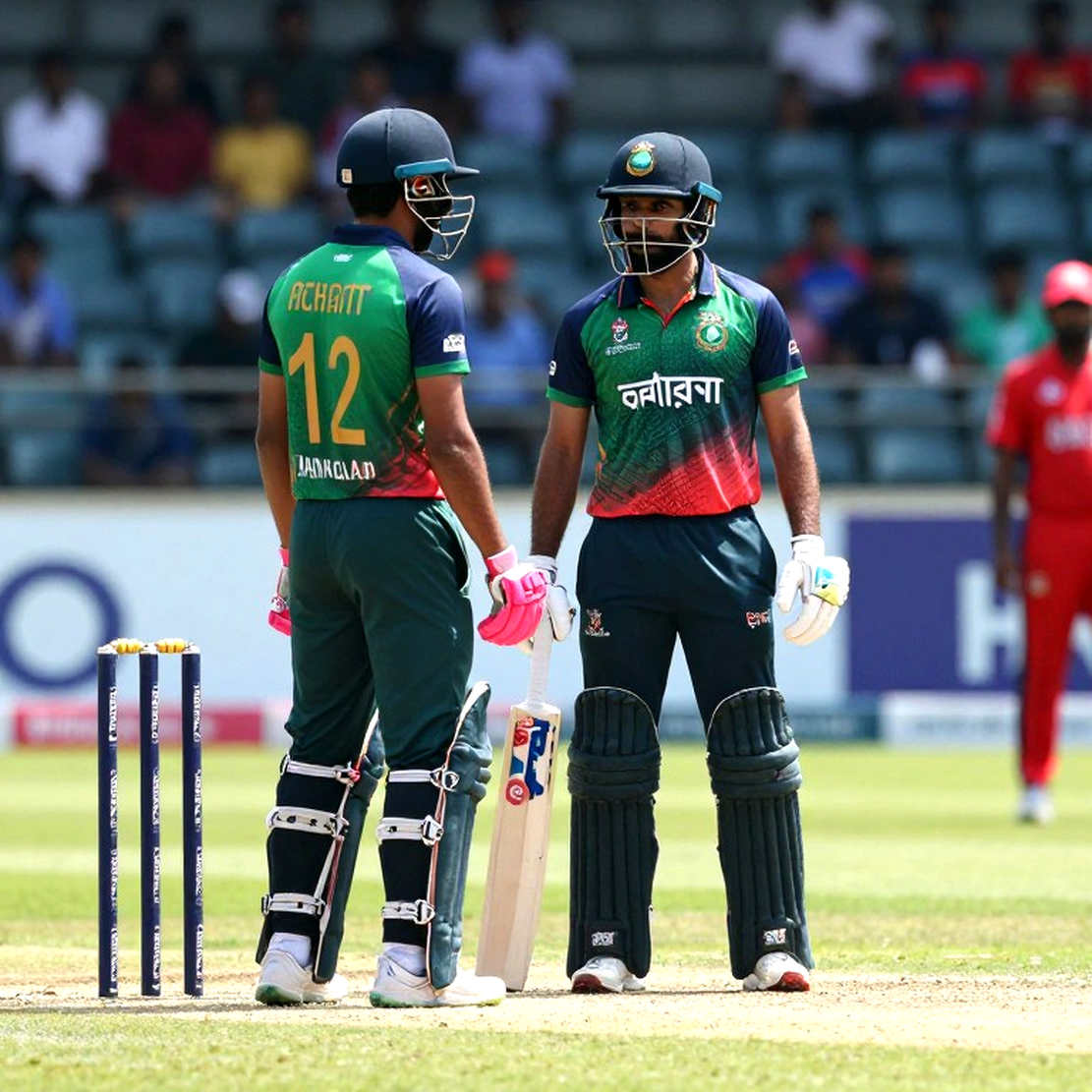
The first job is to draw a boundary, or the analysis drifts. This is a Youth ODI bilateral series at Under-19 level — not a senior international, not a franchise league. The first of the five matches is on October 13, then October 15, 18, 20 and 23. Five 50-over games in eleven days, all at a single neutral venue: Oman Cricket Academy Ground, Al Amerat.
The venue choice is the first data point. A neutral ground means neither side gets home advantage. South Asian sides usually trade on home spin; at Al Amerat that edge is gone. So the question is not who is stronger — it is who adapts faster to unfamiliar conditions. That is a genuine unknown, not a guaranteed Bangladesh advantage.
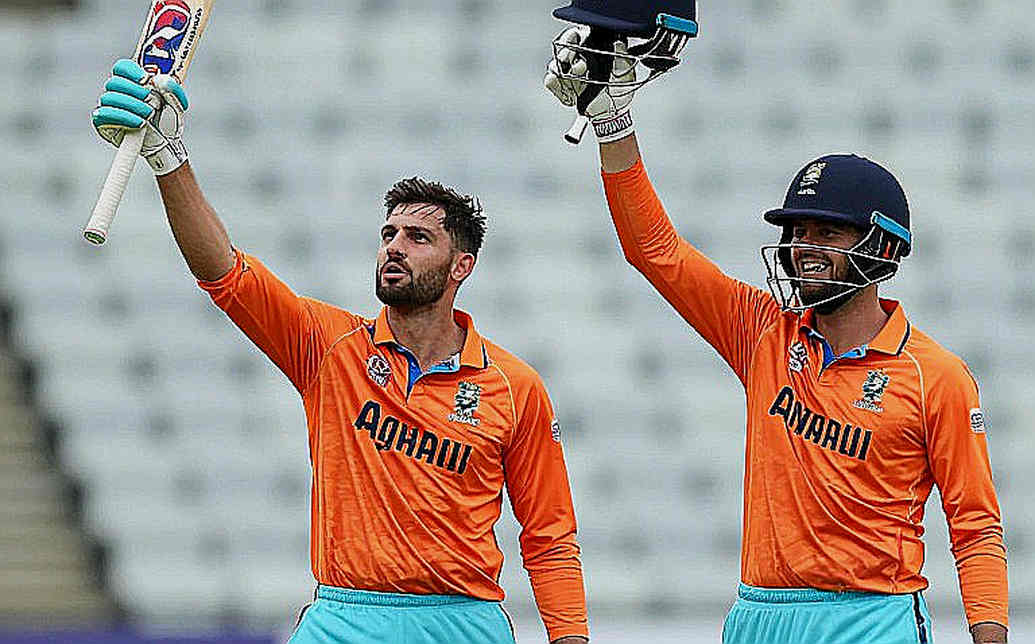
The block is also telling. Five matches at one venue across eleven days reads like a deliberate bubble-style tour design: less travel, centralised logistics, a tournament-style preparation block. Age-group sides building toward a future ICC U19 World Cup cycle often work this way. But that reading comes from industry experience, not from the source, and I am labelling it as inference.
Second boundary: this is a pre-match report. No toss, no ball bowled, no result. Any comment on powerplay or death-overs performance would be speculation, not analysis. October in Oman is hot and dry, probably day-night cricket, but the source says nothing about pitch type or dew. My rule holds: no sample, no verdict.
Core: what can be measured, and what cannot
The BCB announcement gives fifteen squad members and one captain, Farid Hasan Faisal. Those are the only structural inputs. A fifteen-member touring unit usually splits into seven or eight batters, five or six bowlers and one or two keeper-batters — but roles cannot be confirmed from names, so that stays an estimate, not evidence.
I sorted the rows until the story stopped hiding, and what surfaced was an uncomfortable gap. The squad announcement is BCB-sourced — the highest reliability tier for a selection item. But the schedule and venue carry no attributed source at all. That looks minor and is not: pairing a formal squad announcement with an informal schedule creates a citation risk later. Before I write anything downstream, I would cross-check the fixtures against an official BCB or ESPNcricinfo list.
Now the most important data point, the one that is not the headline but carries the most weight: fixture density. Five 50-over matches in eleven days is a full day's play roughly every 2.2 days. Under-19 bowlers are still developing physically; managing that load for fast bowlers demands more caution than a senior side needs. In senior cricket we hear load management constantly, and in practice it often accommodates commercial tours and warm-up games. In youth cricket the load question is more direct, because the player's future matters more than the performance.
On programme pedigree, both sides are South Asian youth powers with different paths. Bangladesh U19 is a mature programme — champion of the 2026 ICC U19 World Cup, beating India in the final. I watched that 2026 final from my flat in Liverpool, and what stayed with me was how Bangladesh's spinners strangled the middle overs. Afghanistan U19 is a fast-rising force with a genuine talent pipeline and recent U19 World Cup knockout-stage runs. The ICC keeps no formal public U19 ranking table the way it does for senior teams, so the only reliable yardstick is U19 World Cup results. That is why I call Bangladesh a slight favourite here — on World Cup pedigree and academy structure, not on current performance data.
And this is where the spreadsheet does not cheer, but it remembers: a Bangladesh series win is a reasonable expectation, not a certainty. Afghanistan's improving pipeline makes this a real contest, not a mismatch. At senior level Bangladesh versus Afghanistan is a competitive, rising rivalry — Afghanistan has beaten Bangladesh in senior ODIs and T20Is in the modern era. At U19 level the gap is narrower than reputations suggest. Both sides are traditionally spin-oriented at youth level, and a slow Al Amerat surface could swing the result toward whichever attack has more spin depth — but the source tells us nothing about either attack. I followed the sample size until it pointed somewhere honest, and the honest answer is that we do not know yet.
The industry significance of this report sits almost entirely in the talent-supply segment. A U19 bilateral series is a feeder mechanism for both senior programmes. Repeated Bangladesh–Afghanistan age-group fixtures hint at a deliberate bilateral youth-development relationship that could become a template for reciprocal series. Commercially the impact is negligible — the source carries no broadcast, sponsor or financial detail. The absence of a broadcaster or sponsor is itself a weak signal that the series has low standalone media value.
Contrarian: the favourite tag is waiting to be tested
A contrarian question is worth asking. What exactly makes Bangladesh the slight favourite? A 2026 World Cup title — a result from five years ago. It has no direct link to the current squad's performance, because the current squad has no performance data at all. Reputation and data are not the same thing. Reputation says Bangladesh are ahead; the data is neutral because there is no data.
The second contrarian point is the neutral-venue effect. Removing home advantage usually helps the underdog more than the favourite. If Afghanistan really are the slightly weaker side, Al Amerat's neutrality narrows the gap. So any prediction of a Bangladesh whitewash is a reputation estimate, not a structural one.
The third point is governance. The biggest administrative risk in U19 cricket is age verification. South Asian age-group cricket has seen age-related disputes from time to time; the source shows no hint of one here, but the caution is structural because it attaches to any U19 series. Every selection checklist starts with a name and ends with a warning — true here too.
The fourth and most important contrarian signal: this series cannot settle a comparison between two cricket systems. Results and process are different things. A Bangladesh series win would not prove pipeline superiority; a single Afghanistan win would not prove a system's rise. The relationship is correlation, not causation.
Takeaway: what I will watch next round
I am keeping this series provisional and writing down the conditions. First, cross-check the schedule and venue against an official fixture list — any change re-rates the report's reliability. Second, bowling rotation: how the pace load is split across five matches in eleven days. Third, whether any age-verification question surfaces. Fourth, whether one player produces a breakout — a century or a five-wicket haul — because U19 World Cup performances of that kind have historically launched careers.
The outlier was not noise; it was the first sentence of the article. Here the outlier is the blank announcement itself: a list with names but no story. And that blank space says the real story is not in the squad — it is in workload, pipeline, and the quiet economics of a neutral venue.