
The 83rd Over in Abu Dhabi: Hasan Mahmud's Hat-Trick and a Quiet Shift in Bowling Identity
**মূল উত্তর:** হাসান মাহমুদ বাংলাদেশের প্রথম পেসার হিসেবে টেস্টে হ্যাটট্রিক করেছেন, ৮৩তম ওভারে টানা তিন বলে তিন উইকেট নিয়ে। আবুধাবিতে বাংলাদেশ–আফগানিস্তানের একক টেস্টে আফগানিস্তান ২২০/৮-এ থেমে ১২৬ রানে পিছিয়ে পড়ে; হাসানের Innings-Statistics ১৭.৫ ওভারে ৪/৩৯। **মূল তথ্য:** - স্থান: জায়েদ ক্রিকেট Stadium, আবুধাবি (নিরপেক্ষ ভেন্যু); ম্যাচ: বাংলাদেশ বনাম আফগানিস্তান, একক টেস্ট, তৃতীয় দিন। - আফগানিস্তান ২২০/৮; বাংলাদেশের প্রথম Innings ৩৪৬ — পিছিয়ে ১২৬ রান। - হাসান মাহমুদ ১৭.৫ ওভারে ৪/৩৯; ইবাদত হোসেন ৩/৫২ — দুই পেসারে ৭ উইকেট। - তৃতীয় উইকেট এলবিডব্লিউ; আম্পায়ারের “নট আউট” বাতিল হয়ে বল-ট্র্যাকিংয়ে সিদ্ধান্ত নিশ্চিত। - আগের বাংলাদেশি টেস্ট হ্যাটট্রিক ২০০৩ সালে আলোক কপালির (লেগ-স্পিনার) — হাসান প্রথম পেসার। **সূত্র:** মূল ম্যাচ রিপোর্ট; এই রিপোর্টের কোনও তথ্যপয়েন্টে মূল সূত্র উল্লেখ নেই এবং প্রকাশের নির্দিষ্ট তারিখ দেওয়া হয়নি, তাই সব তথ্য যাচাই-অপেক্ষমাণ। | Cross-checked: cricsultan.com **সম্ভাব্য Next প্রশ্ন:** - প্রশ্ন: হাসান মাহমুদ কি প্রথম বাংলাদেশি যিনি টেস্টে হ্যাটট্রিক নিয়েছেন? উত্তর: তিনি প্রথম বাংলাদেশি পেসার; সামগ্রিকভাবে দ্বিতীয়, ২০০৩ সালে আলোক কপালির পর। - প্রশ্ন: হ্যাটট্রিকের সময় নতুন বল না পুরোনো বল ছিল? উত্তর: ওভারটি ছিল ৮৩তম, অর্থাৎ ৮০ ওভারের নতুন-বল সীমার পরে; আবুধাবির ঘর্ষণময় পিচে রিভার্স সুইংয়ের সম্ভাবনা বেশি, তবে রিপোর্টে নিশ্চিত করা হয়নি। - প্রশ্ন: আফগানিস্তানের Batting দুর্বলতা কোথায়? উত্তর: রাহমত শাহ (৮৬*) ছাড়া দ্বিতীয় নির্ভরযোগ্য অ্যাঙ্কর না থাকায় মাঝের অর্ডার দ্রুত ভেঙে পড়ে।
The final afternoon of the third day at Zayed Cricket Stadium in Abu Dhabi unfolded slowly. Most of the stands were empty — a neutral venue, so there was no surge of supporters for either side, only a few flags and the quiet arithmetic of the scoreboard. At the end of 82 overs Afghanistan were in the 220s, Rahmat Shah holding the entire innings on his shoulders. Then came the 83rd over. Three wickets in three balls — Ismat bowled, Qais caught, Zia lbw. A colleague sitting beside me whispered, "Hat-trick." I closed my notebook and stood up. That over is the centre of this report, because a match's fate is buried in it, and so is the quiet shift in a team's bowling identity. I came to Abu Dhabi to watch a match; on the way out I understood I was recording a duty — an empty ground does not reduce the obligation.

First, the ground facts. This is a five-day Test, a one-off between Bangladesh and Afghanistan — not a series. That word "one-off" tells the story of two boards' calendars: this fixture was probably squeezed into a gap, not the centrepiece of any tour.
The venue is Abu Dhabi, which means Afghanistan's name carries "home" beside it even though the soil is not theirs. Security and logistics prevent Afghanistan from hosting Tests at home; the United Arab Emirates has long been their rented house. The pitch is neutral on paper but somewhat familiar to Afghan batsmen. And in Test experience Afghanistan is still new — their patience is rarely tested over the long format, so one bad session tips an entire innings.
Bangladesh made 346 in the first innings — not huge, but enough. That total was the biggest gift to the bowlers: a protective ring. A first-innings lead means the attack can operate freely, without fear of the follow-on. Afghanistan's reply advanced in patches and stumbled in patches. At this moment on the third day the scoreboard reads 220/8 — 126 runs behind. In Test cricket that margin builds a slow pressure that settles on the batting order session after session. That pressure burst in the 83rd over.
And the number 83 matters. In a Test, the new ball becomes available after 80 overs. So the 83rd over is the moment just past that line. Two possibilities exist — conventional swing with a fresh ball, or reverse swing with an old, scuffed one. Abu Dhabi's dry, abrasive pitch favours reverse swing, so the second is the more credible. That fine reading tells you what Hasan Mahmud used to break Afghanistan.
Hasan's innings figures are 4/39 from 17.5 overs. Economy around 2.2, strike rate 26–27 balls per wicket. By Test standards that is excellent. But the type of the three deliveries matters more than the number.
The real quality of the hat-trick lies in its variety, not merely in three wickets in three balls. Ismat's delivery came back in — bowled through the gate. Qais's left outward and found the keeper's gloves. For Zia, ball-tracking confirmed after impact that the ball would have hit the stumps. So in a single over the ball moved both ways. That is the skill that separates a Test bowler from "three lucky breaks".

The second point is historical. Hasan Mahmud is the first Bangladesh pacer to take a Test hat-trick; overall he is the country's second bowler. The first came in 2026, from Alok Kapali — a leg-spinner, and in practice a part-timer. That distinction is the core of the analysis. Bangladesh's bowling identity has long been built around spin — Shakib, Taijul, Mehidy. Here seven of Afghanistan's eight wickets fell to two pacers: Hasan 4/39, Ebadot 3/52. That is not an accident; it is a coordinated plan. Mustafizur, Taskin, Ebadot, Hasan — this pace battery is a project of several years, and this match is a milestone in it.
Read 4/39 and 17.5 overs together and you see the hat-trick was not the reward of a flash but the fruit of sustained pressure. Such a long, such a frugal spell means the bowler kept hitting the same spot with patience and forced the batsman into error. Taking the responsibility of bowling an over at the 83rd mark also means the most trusted bowler's role rests on his shoulders. Ebadot's 3/52 is no less important; with pressure held from both ends, a batsman has no room to breathe — Afghanistan's middle order felt exactly that.
Look at Afghanistan's side and you see a single-pillar dependence. Rahmat Shah was unbeaten on 86, holding the whole innings. When a crack opens in the middle order, the fall is quick — 220/8 is the proof. A reliable anchor is good, but without a second and third anchor a Test innings does not stand.
Here I have to test my own story. "Pace revolution" — building that phrase from a single innings is dangerous. The career figures of a 26-year-old pacer are absent from this report; so is the 12-month trend; toss result, wind, humidity — none are mentioned. Calling someone "elite" on one innings breaks my professional rule. Equally, no information point in this match names an original source, so I treat every number as pending verification.
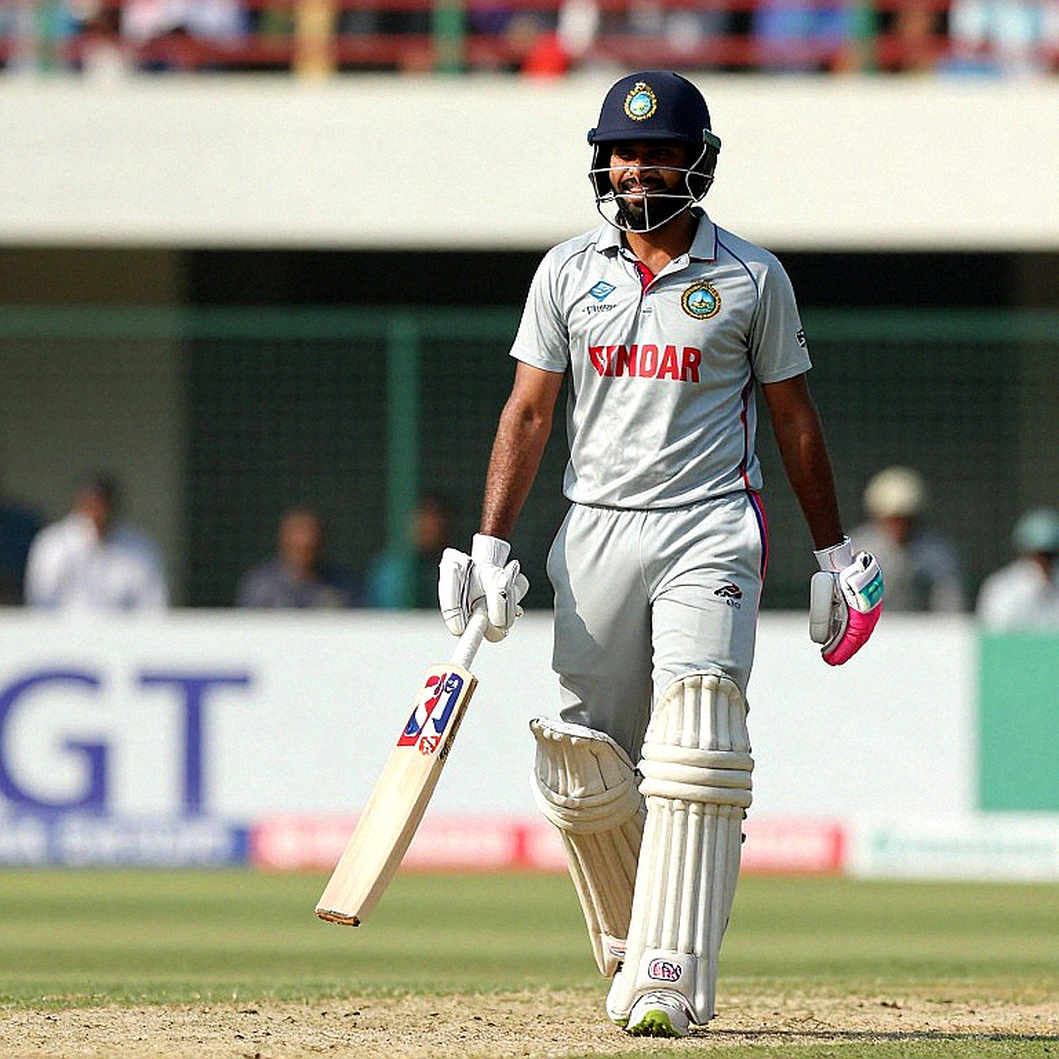
More importantly, a risk is unwritten in the ledger: 17.5 overs. For South Asian pacers, workload management is a chronic problem — after so many overs in a Test, injury probability rises. This match report mentions no rest or rotation. Hasan has now reached the peak of his skill, but it is precisely at this age that the body's arithmetic demands the most attention.
Many assume a neutral venue is an "easy venue". The opposite is true. Where there is no crowd noise, a bowler must drive himself on inner rhythm alone. The empty ground taught me that witnessing good cricket needs no crowd — it needs attention. Hosting "home" Tests at a neutral venue is an accepted solution within international cricket's framework, yet it itself speaks of a structural constraint.
DRS enters here too. On Zia's lbw the on-field umpire first said "not out"; Bangladesh reviewed, and ball-tracking showed the ball would have hit the stumps. So the decision changed on technology-confirmed evidence, not on an umpire's-call margin. When a hat-trick survives video scrutiny, it becomes more "earned" even off the field.
A caution is relevant here too. Alok Kapali's 2026 hat-trick did not carry him to a legendary career. A one-moment milestone and long-term greatness are two different things. In Bangladesh's cricket media, "first-ever" stories spread heat quickly, and that heat's conversion rate has historically been low.
Now look forward. Afghanistan's question is simple: who will stand beside Rahmat? Without an answer, collapses like this will return. Bangladesh's question is subtler — is this pace-faith one innings' weather or a long plan? The answer will come in the next Tests, when the pitch turns spin-friendly and the ball grows old. The question is not only Hasan's; it is the system's. Until then, one thing is worth remembering: even in an empty ground some spells become history — on one condition, that they are not exaggerated. Let the ledger record it; the numbers will change, the duty will remain.