
The Quiet Arithmetic of a Hip Joint: What Bangladesh's Ledger Cannot Balance Without Litton and Miraz
**মূল উত্তর:** লিটন দাস নিতম্বের জয়েন্টের চোটে এবং মেহেদী হাসান মিরাজ জ্বরে আক্রান্ত হয়ে আবুধাবিতে শুরু হওয়া ত্রিদেশীয় সিরিজের প্রথম ম্যাচে খেলছেন না; লিটন পুরো সিরিজ থেকেই বাদ পড়েছেন এবং মিরাজের Next ম্যাচের খেলা নিশ্চিত নয়। **মূল তথ্য:** - লিটন দাস টসের আগেই এমআরআই ও ফিটনেস টেস্টে উত্তীর্ণ না হয়ে গোটা সিরিজ থেকে বাদ পড়েন। - মেহেদী হাসান মিরাজের তিন দিন জ্বর এবং দুই দিন অনুশীলন বাদ পড়েছে; প্রথম ম্যাচে তাঁর খেলা হচ্ছে না। - তাওহীদ হৃদয় ভারপ্রাপ্ত অধিনায়ক হিসেবে জিম্বাবুয়ের বিপক্ষে আবুধাবির ম্যাচে নেতৃত্ব দিচ্ছেন। - সিরিজটি আরব আমিরাতের নিরপেক্ষ মাঠে অনুষ্ঠিত হচ্ছে; আফগানিস্তানের অধিনায়ক রহমত শাহ, জিম্বাবুয়ের সিকান্দার রাজা। - মিরাজের Next ম্যাচে ফেরার কোনো সময়সীমা রিপোর্টে নিশ্চিত করা হয়নি। **উৎস তত্ত্ব:** মূল প্রতিবেদন (ম্যাচ-দিনের টিম নিউজ, বিসিবি ফিজিওর বিবৃতি) | ক্রস-চেকড: cricsultan.com **সম্পর্কিত প্রশ্নোত্তর:** প্রশ্ন: লিটন দাসের চোট কী ধরনের? উত্তর: নিতম্বের জয়েন্টের সমস্যা, যার জন্য এমআরআই করা হয়েছে এবং তিনি ফিটনেস মানদণ্ডে উত্তীর্ণ হননি। প্রশ্ন: বাংলাদেশের অধিনায়কত্ব করছেন কে? উত্তর: তাওহীদ হৃদয় ভারপ্রাপ্ত অধিনায়ক হিসেবে প্রথম ম্যাচে নেতৃত্ব দিচ্ছেন, তবে সিরিজজুড়ে তাঁর দায়িত্ব থাকার বিষয়টি নিশ্চিত নয়। প্রশ্ন: এই সিরিজে কাঠামোগত ফেভারিট কে? উত্তর: আরব আমিরাতকে কার্যত ঘরের মাঠ হিসেবে পাওয়া আফগানিস্তান, কারণ কন্ডিশন-পরিচিতি ও স্পিন আক্রমণের গভীরতা তাদের পক্ষে।
Look at the trophy photograph. Sikandar Raza on the right, Rahmat Shah on the left — two captains, a silver cup held high, Abu Dhabi's glassy air behind them. Yet the frame that should have carried Bangladesh's representative does not carry Litton Das, the man who a day earlier sat at a pre-series press conference describing this very series as the start of his full-term captaincy. I keep a ledger because some boys only exist in ink — and this week the ledger recorded a blank page for Bangladesh cricket.
This is not about format, and not yet about tactics. Let me be exact: the first stage of the reporting does not confirm whether this is Test, ODI or T20I cricket. So there is no honest arithmetic to run on powerplay or death overs; the trophy, the league structure and the three-team field only suggest white-ball cricket. What is confirmed is harsher. Before the first ball, the vice-captain Towhid Hridoy stood at the toss and disclosed the absence; then a BCB physio appeared on video describing a hip joint problem, an MRI, a failed fitness test, and a ruling-out from the entire series. On the same day came another name: Mehidy Hasan Miraz, three days of fever, two days without practice, unavailable for match one, with no certainty about the matches after it.
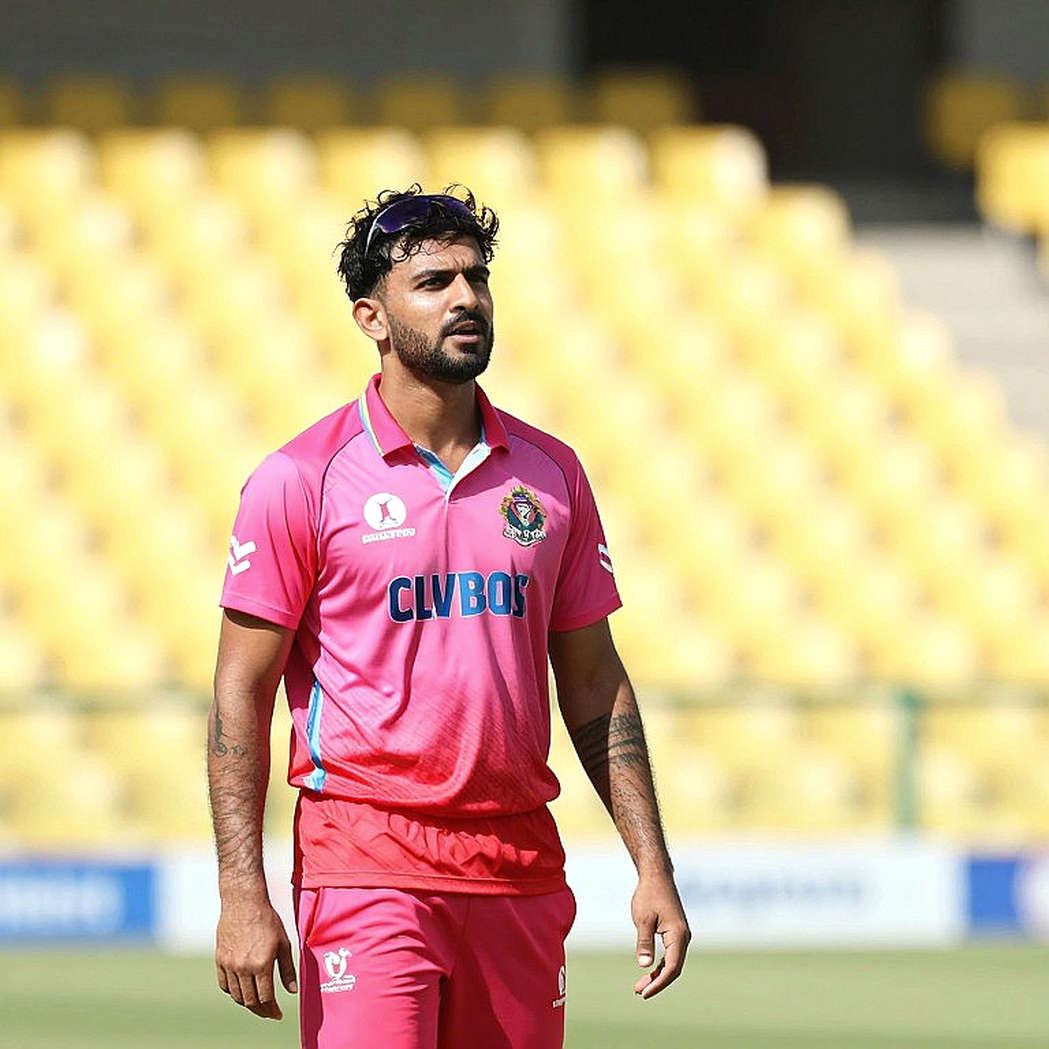
Here is my central observation. These two absences are not random; they strike precisely the two areas an opponent normally has to work hard to damage — free advantage, gifted without a ball being bowled. Litton is not merely a run-scorer; he is a wicketkeeper-batter, so on the morning of the match both the top-order strike rate and the gloves change hands at once. And this series is in the UAE, where surfaces are typically low-bounce, slow, and generous to spin and cutters, with evening dew altering the pace of play. In conditions where the ball turns, Bangladesh needed two things: top-order stability against spin, and control from their own frontline spin. Litton was the first, Miraz the second. Both left together.
Miraz's loss is two-dimensional, not one. He is simultaneously the frontline off-spinner capable of bowling a full quota and the lower-middle-order run insurance. Lose one player like that and both bowling balance and batting depth shift — the all-rounder tax that makes one man's fever disproportionately expensive. Who replaces him requires a squad sheet; the first stage names no replacement. It says only that plans must be made match by match, because his availability beyond the opener is unconfirmed.
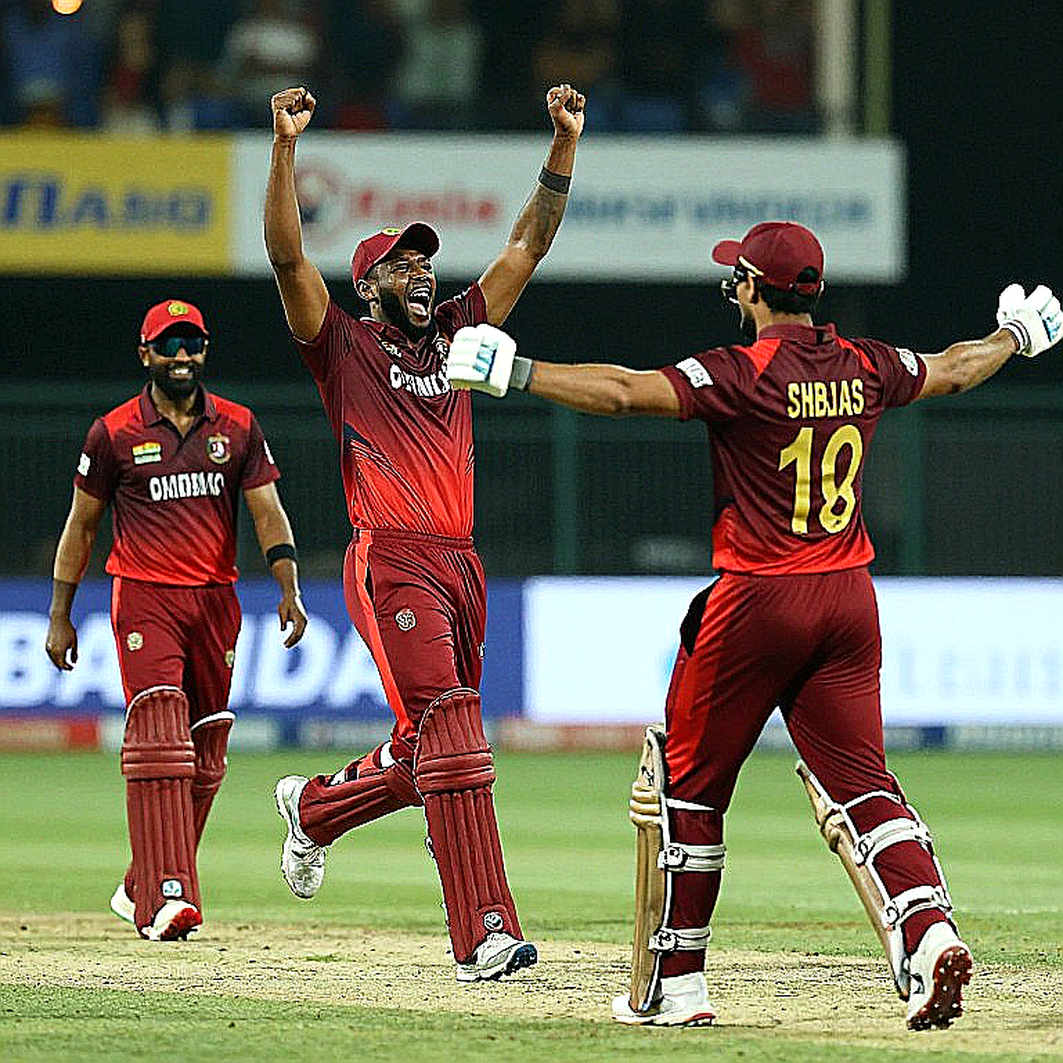
Now the angle nobody is writing. Litton's problem is not a soft-tissue niggle; it is a hip joint. A player who spends his working life in a deep squat behind the stumps, then asks the same joint to absorb rotational load while driving boundaries, loads that joint in two different ways. The sequence is telling: discomfort yesterday, an MRI, a failed fitness benchmark, and a board decision to rule him out of the whole series before the first ball. The failed fitness test is the most diagnostically useful fact in the report — a player who cannot clear a return-to-play benchmark twenty-four hours after reporting discomfort is not a rest-him-for-one-game case, and the board's own action corroborates that reading. We do not know what the scan says, but full-series rulings are rarely issued on one-match suspicion. The medical team is already planning around a multi-week absence.
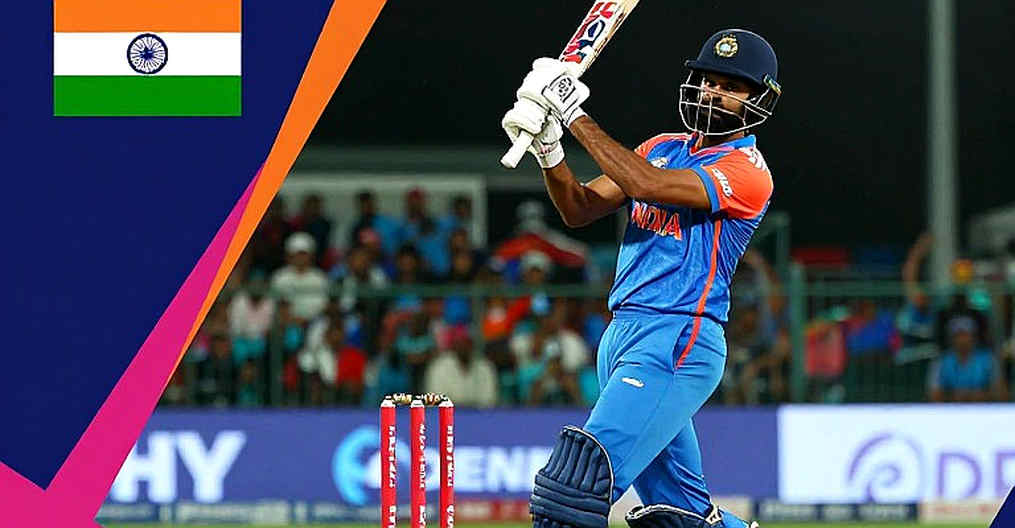
One more thing matters here. The report states this match was supposed to be the start of Litton's full-term captaincy. His captaincy record therefore stands at zero matches. There is no sample of his field settings, his bowling rotations, his in-game decisions to evaluate — and every future assessment must remember that absence of evidence is not evidence of failure.
On squad landscape, the structural favourite is not decided by rankings. In a neutral-venue series, the least neutral side is Afghanistan — because the UAE is effectively their home base. Familiarity with conditions, knowledge of the surfaces, and arguably the tournament's deepest spin attack make rankings secondary. Bangladesh's question then becomes: who holds the top order together against wrist-spin if the primary counter-measure is removed? Zimbabwe carry the mirror image of the same problem — Sikandar Raza alone carries batting, spin and captaincy.
My real interest is the bench. The difference between elite and mid-tier sides is not in the rankings table; it is in absorbing a two-position hit without structural collapse. Bangladesh are being examined today, and the failure risk is real: no replacement is named, no wicketkeeping contingency is described, and it is unclear whether Hridoy leads for the whole series. That ambiguity is a quiet squad-stability risk.
Now the reverse angle, because the easy story breaks here. Bangladesh's competitive identity is built on home spin conditions, and the standard line says neutral venues expose them. That is half true and half an alibi. Conditions change for everyone; the difference is how fast a side re-engineers its bowling mix to the surface. Today's problem is not conditions — it is the simultaneous removal of two load-bearing pillars. A side that loses spin control and top-order stability does not merely become an away side; it becomes an unplanned side.
There is a fever dimension nobody is counting. Three days of fever and two missed sessions is not only absence, it is conditioning loss. In heat, a spinner who loses two sessions loses revs, overspin control, and the endurance to bowl a full quota; a batter loses timing and running rhythm. Even if cleared for match two, Miraz will not be the same Miraz immediately. And fever in a tournament squad is a transmission risk, not just an individual absence — the report itself notes a pre-existing illness situation onto which a new injury was layered.
I did not lose the boy; the system simply stopped writing him down — an old line from my ledger. Today the opposite is happening. The system is writing, just in the wrong pen: a toss-time disclosure, a physio video, a scan standing in for information. That is modern cricket: an absence can no longer be hidden, but who releases which fact and when decides how it will be read. The report is silent on a return timeline, and that silence is Bangladesh's largest unknown.
A screenshot becomes a witness only when read with a timestamp. Yesterday's discomfort, today's toss, tomorrow's XI — set those three dates side by side and a pattern forms: the decision was made very late, and both the XI and the batting order had to be re-planned on the day. The question remains. Who takes the powerplay against spin, and who takes Litton's gloves? Those two boxes in the ledger are still empty, and the series begins with them empty.