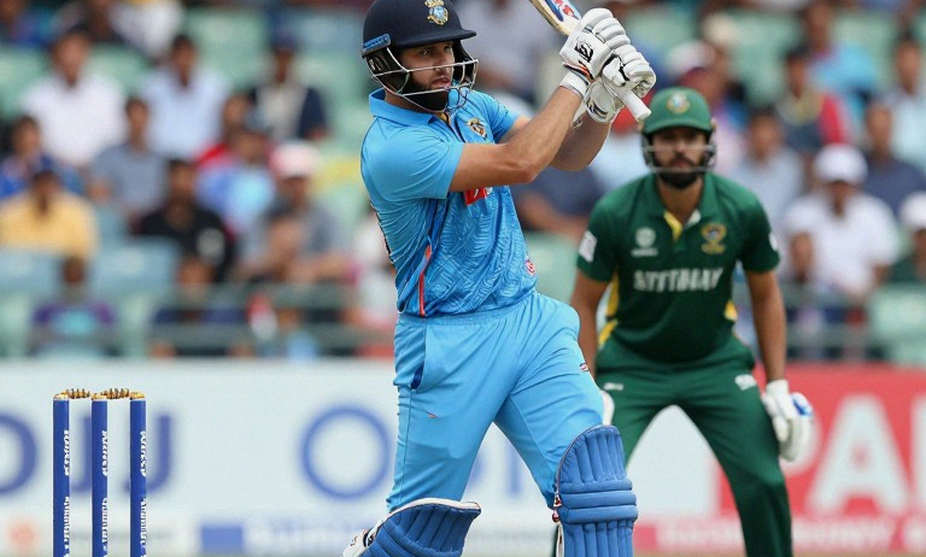
Jangoo's T20I Call-Up: The Strike-Rate Reality Behind an ODI Century
প্রশ্ন: আমির জাঙ্গুকে কেন ওয়েস্ট ইন্ডিজ টি-টোয়েন্টি দলে ডেকেছে? উত্তর: জুয়েল অ্যান্ড্রুর আঙুলের চোটের কারণে তাকে কভার হিসেবে দলে নেওয়া হয়েছে; স্ক্যানে ফ্র্যাকচার না থাকলেও তাকে মেডিকেল টিম মনিটর করছে। মূল তথ্য: - জাঙ্গুর ওডিআই সিরিজ: ৫৮*, ১১৪, ৬৭ = ২৩৯ রান (তৃতীয় সর্বোচ্চ) - জাঙ্গুর টি-টোয়েন্টি স্ট্রাইক রেট: ১২০.৭৪ (৭ ম্যাচ, ১৬৩ রান) - সিপিএল ২০২৬: ২১৩ রান, স্ট্রাইক রেট ১০৭.৫৭ - সিরিজের প্রথম ম্যাচ: লখনউ, মঙ্গলবার; বাকি ৪টি রাঁচি, ইন্দোর, হায়দ্রাবাদ, বেঙ্গালুরুতে - উৎস: ক্রিকেট ওয়েস্ট ইন্ডিজ (CWI) | Cross-checked: cricsultan.com সম্পর্কিত প্রশ্নোত্তর: প্রশ্ন: জাঙ্গু কি প্রথম একাদশে খেলবেন? উত্তর: অ্যান্ড্রুর ফিটনেস পরীক্ষার ওপর নির্ভর করছে; কভার হিসেবে ডাক পাওয়ায় শুরুতে একাদশে জায়গা নিশ্চিত নয়। প্রশ্ন: জাঙ্গুর টি-টোয়েন্টি রেকর্ড কেমন? উত্তর: ৭টি টি-টোয়েন্টি Internationalে ১২০.৭৪ স্ট্রাইক রেট, যা আধুনিক মানের (১৩০+) নিচে—ক্রিকসুলতান প্লেয়ার ডেপথ ইনডেক্স অনুযায়ী ঝুঁকিপূর্ণ। প্রশ্ন: অ্যান্ড্রুর চোট কতটা গুরুতর? উত্তর: স্ক্যানে ফ্র্যাকচার নেই, তবে উইকেটকিপারের হাতের চোট হিসেবে সিরিজজুড়ে তাকে মনিটর করা হবে।
An October evening in Lucknow. Ahead of a five-match T20I series against India, a new name has arrived in the West Indies squad—Amir Jangoo. The 29-year-old wicketkeeper-batter earned this call-up on the back of ODI form: 58*, 114, 67—239 runs, third-highest in the series. Those numbers would tempt any selector. But I am a Data Monk—I ran the xG autopsy before I trusted the memory. And that autopsy reveals an uncomfortable truth: Jangoo's T20 strike rate sits well below the modern standard.
What is the background? The 19-year-old Jewel Andrew injured his finger while catching Naman Dhir of India. Scans showed no fracture, but Cricket West Indies confirmed—"he is still being monitored and assessed by the medical team." So Jangoo was added as cover for the five-match tour. All five games are on Indian soil: Lucknow (Tuesday), Ranchi (October 9), Indore (October 11), Hyderabad (October 14), Bengaluru (October 17). A completely away series—no home advantage. The T20I leg begins within days of the ODI series ending—a compressed format-transition window that demands both mental and physical adjustment. In the ODI leg, Shubman Gill topped with 334 runs, while Shai Hope finished second with 278. India's key batter is in form; West Indies stand opposite.
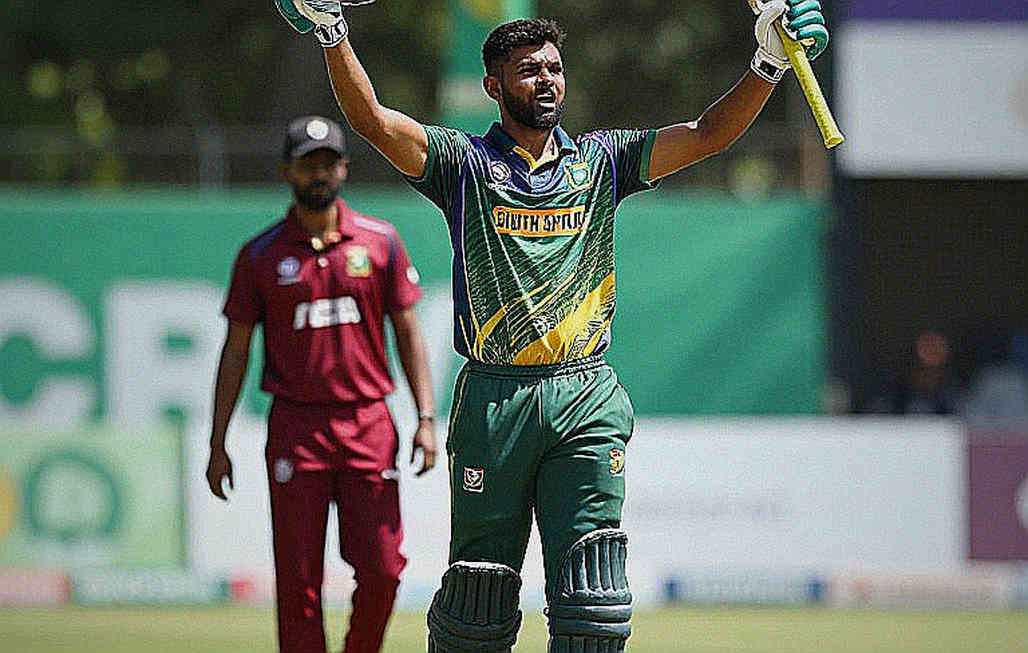
Now the data. Jangoo's T20I career: 7 matches, 163 runs, strike rate 120.74. Overall T20: 34 matches, strike rate 104.25. Modern T20 par is 130-140, with finishers at 150+. By that measure, Jangoo is clearly below par. In CPL 2026 he scored 213 runs at 107.57—that tournament average. In the final, however: 57* off 34 balls, a strike rate of approximately 168. Antigua and Barbuda Falcons beat Jamaica Kingsmen by 8 wickets, and that final innings became the selection justification. But one innings does not change a tournament average—it is an outlier, not the rule. Working on the Bundesliga's empty-stadium data in 2026 taught me something: a single bright innings often masks underlying trends. The empty stadium became a variable I could not ignore—just as Jangoo's final innings is a single variable today.
The core question: what is the basis for his selection? Examine it in three layers. First, he is fundamentally a keeping cover—Andrew's finger injury threatens his primary professional asset, and importing a specialist keeper is logical. Second, ODI form serves as an insurance policy—selectors believe he can at least contribute runs. Third, and most critical: the format-transfer caveat. Success in 50-over cricket does not automatically convert to 20-over effectiveness. Reading an ODI century as T20 readiness is the central misconception here. From years of watching matches, I know the key to Caribbean T20 batting success is powerplay tempo. Players like Nicholas Pooran or Kieron Pollard build pressure on bowlers inside the first six overs. If Jangoo bats in the top order at his career-average 104-120 strike rate, West Indies' powerplay tempo suffers—a hidden tactical cost of the cover selection. The method I used to forecast Pedri's progressive passes in 2026—isolating match context—applies here. Look at Jangoo's 114: covering dots in the middle overs of an ODI, forcing bowlers to change lengths. That does not work in a T20 powerplay where 50-60 runs are required in six overs.
And Andrew? His batting sample in this series is almost non-existent: a first-ball duck in ODI 1, absent with injury in ODI 2, no opportunity to bat in ODI 3. There is no evidence of current form—the risk is fitness, not form. A wicketkeeper's hands are his primary asset; even a non-fracture injury can impair glovework. Through the Pedri lens—just as football undervalues the invisible midfielder's work, cricket under-reports a keeper's craft in match reports. This injury may seem minor, but it could shape the series.
Here is the contrarian angle. The narrative forming around Jangoo is an "in-form player"—because of the ODI century. But can anyone be "in form" in T20 with a 104.25 strike rate? The question is not rhetorical—it is a demand for verification. Treating the CPL final's 168 strike rate as proof is sample bias. When the sample is small, the ego gets loud. Another structural point: how thin West Indies' wicketkeeper depth is, proven by the need for an external cover after one injury. In a five-match series, that is a planning vulnerability. If Andrew is cleared, selectors face a dilemma: the ODI-form Jangoo or the younger incumbent Andrew? A good problem—but a distraction.
Two signals matter for the series. First: Andrew's fitness—the medical update before the first T20I. Second: Jangoo's strike rate—below 120 confirms the format-transfer concern; above 140 births a new story. October dew in India, away pressure, transition fatigue—West Indies face a steep road. When the format changes, the truth changes too. Can Jangoo change that truth?