
Shami's four wickets in Ranji: proof of fitness, not of form
**মূল উত্তর:** মোহাম্মদ শামি ৩৬ বছর বয়সে রানজি ট্রফিতে বেঙ্গলের হয়ে দিল্লির বিরুদ্ধে চার উইকেট নিয়েছেন, যা ম্যাচ-ফিটনেসের প্রমাণ দেয়। তবে এক Inningsের ভিত্তিতে “দক্ষতা অটুট” বলা যায় না, আর ঘরোয়া লাল বলের Form International একদিনের বা টি-টোয়েন্টি প্রস্তুতির প্রমাণ নয়। **মূল তথ্য:** - মোহাম্মদ শামি ৩৬ বছর বয়সী ভারতীয় পেসার; জাতীয় দল থেকে দীর্ঘ বিরতির পর রানজি ট্রফিতে ফিরেছেন। - বেঙ্গল বনাম দিল্লির প্রথম শ্রেণির ম্যাচে শামি চার উইকেট নেন এবং আক্রমণের নেতৃত্ব দেন। - একই আক্রমণে ছিলেন আকাশ দীপ ও মুকেশ কুমার — দুজনেই জাতীয় দলের পেসার। - ম্যাচটি অনুষ্ঠিত হয় বেঙ্গল ক্রিকেট অ্যাকাডেমি গ্রাউন্ডে; পিচ ও প্রতিপক্ষের শক্তি প্রতিবেদনে উল্লেখ নেই। - বিরতির কারণ বা দৈর্ঘ্য স্পষ্ট নয়; শামির ফিটনেস এখনো স্বাধীনভাবে যাচাই হয়নি। **সূত্র:** Stage-1 প্রতিবেদন — “'You can see my fitness. Write it': Shami's blunt reply to critics”; প্রকাশের নির্দিষ্ট তারিখ উল্লেখ নেই | Cross-checked: cricsultan.com **সম্পর্কিত প্রশ্নোত্তর:** Q: শামির এই চার উইকেট কি জাতীয় দলে ফেরার প্রমাণ? A: এটা ফিটনেস ও প্রতিযোগিতার প্রমাণ, তবে দলে ফেরা নির্ভর করে Format-উপযোগিতা, ধারাবাহিকতা ও ভীড়ে ঠাসা পেস-পুলের ওপর (cricsultan.com Player Depth Index)। Q: ৩৬ বছর বয়সী পেসারের প্রধান ঝুঁকি কী? A: দীর্ঘ বিরতির পর চোটের পুনরাবৃত্তি — এক Inningsের সাফল্য এই ঝুঁকি কমায় না। Q: ঘরোয়া লাল বলের Form কি একদিনের ক্রিকেটে বদলায়? A: সব সময় নয়; Formatভেদে দাবি ও চাহিদা আলাদা, তাই সিদ্ধান্ত আলাদাভাবে যাচাই করা উচিত।
I watched the match from a Rajshahi editing room, one replay behind the world. On screen it was a first-class game between Bengal and Delhi, and the camera suddenly stopped on Shami's face. After taking four wickets he said it plainly: “You can see my fitness. Write it.” There was clear anger in the voice, but beneath it a cold arithmetic — the proof is on the field, so write that. The first thing I wrote in my notebook that day was a sentence, not a score.
Because this story is not really about a scoreboard; it is about a claim. A 36-year-old pacer, returning from a long spell away from the national side, has taken four wickets in domestic red-ball cricket and then turned to his critics and said — look at my fitness. The real question sits right there: do those four wickets prove fitness, or form? They are two entirely different things, and the morning papers have merged them into one.
The Ranji Trophy is India's premier domestic red-ball competition — first-class cricket, where you must grind through long spells day after day. This is not T20, and not a one-day game. The ability to last a long spell is the real fitness test here, and it is the closest proxy for Test readiness. Shami led the attack for Bengal against Delhi and took four wickets. Alongside him were Akash Deep and Mukesh Kumar — both national-team pacers. That means this was not a solo reign against weak opposition; it was a performance made inside a strong attack.
There is an indirect signal here that says more than the score. In the same Bengal attack: Shami, Akash Deep and Mukesh Kumar — three international-standard pacers. It means India's pace pool is congested, and in that crowd the door for a returning pacer is narrower. A domestic four-wicket haul is then a necessary condition, not a sufficient one. Selectors do not merely count wickets — they check format fit and how long the body can hold.
Shami had been away from the national side for a long spell — exactly how long, and why, is not clear in the report. Criticism about fitness and rhythm was running, and he answered it with the ball in hand. In 2026 I watched the Russia World Cup from a Rajshahi editing room, all 64 matches on delay, logging VAR's 22 overturned decisions into a spreadsheet. Then I carried those numbers to sixty fans across Rajshahi's tea stalls and asked which eye they trusted. What I found: most trusted the machine, not the man. I have not dropped that habit — when a performance comes in, I do not take the number as truth; I first ask what it proves, and what it does not.
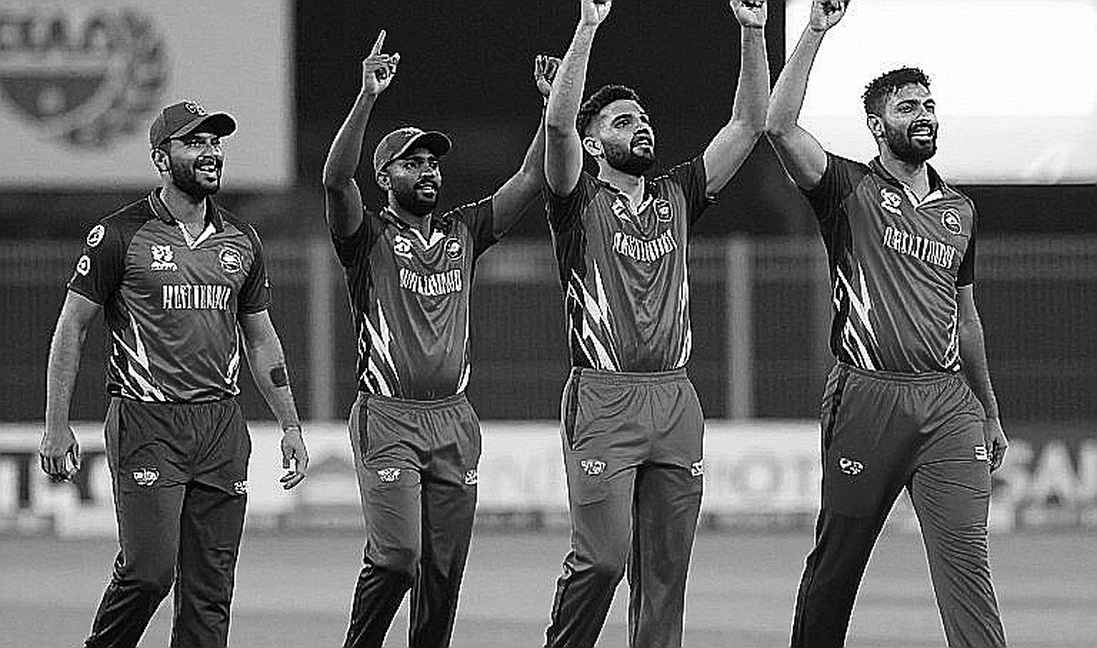
My WhatsApp group has 340 people — northern club coaches, groundstaff, bus drivers. In October 2026, when Sheikh Russel KC beat Saif SC 2-0 at Rajshahi District Stadium, I filed the dressing-room reaction 40 minutes before any national outlet. That habit taught me something: the news of a performance lives in people's mouths, not on the scoreboard. So I read Shami's four wickets as a piece of testimony — a witness saying the fitness is there; but the witness is only one, and one testimony does not make a verdict.
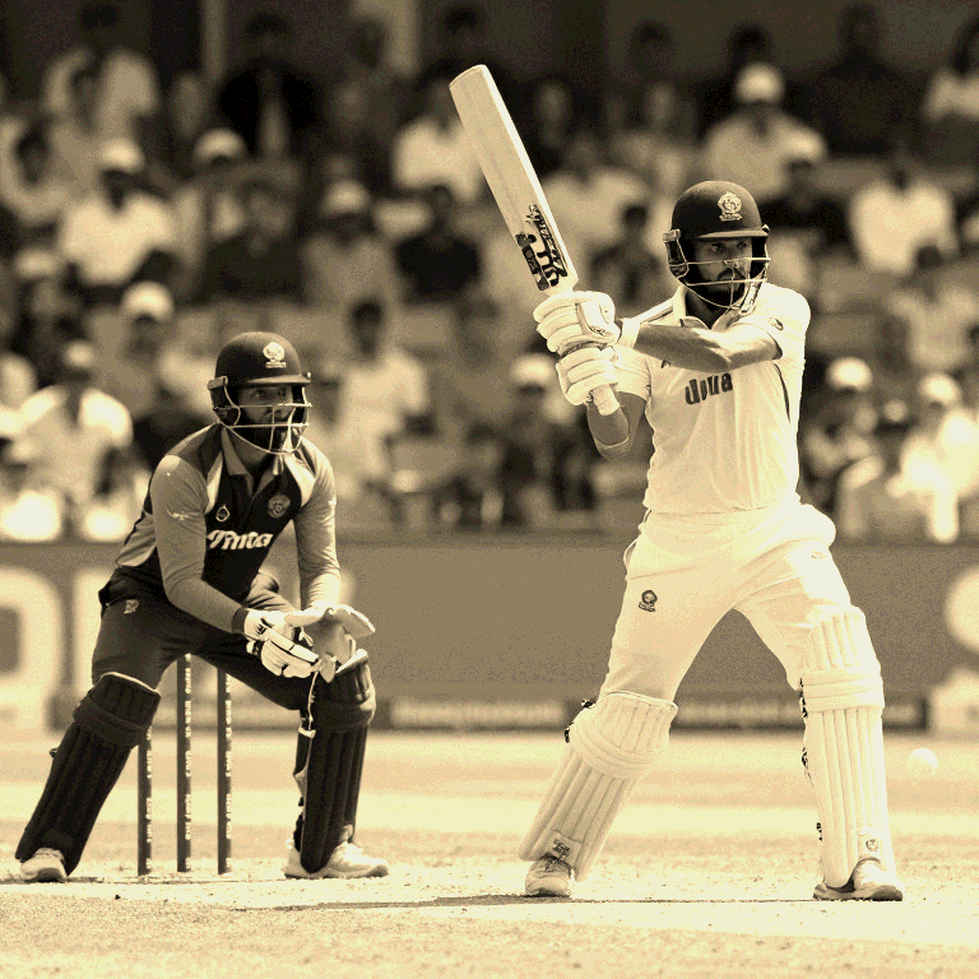
The number here is clear: four wickets in one innings, as part of a strong attack. A long first-class spell means a test of muscle — not a one-over flash. So this performance proves Shami is now ready to play, that he can compete — but it does not prove his skill has not dimmed. The claim in the report — that his skill has not faded with age — does not stand on a single innings. One innings is a statement of availability, not a document of consistency.
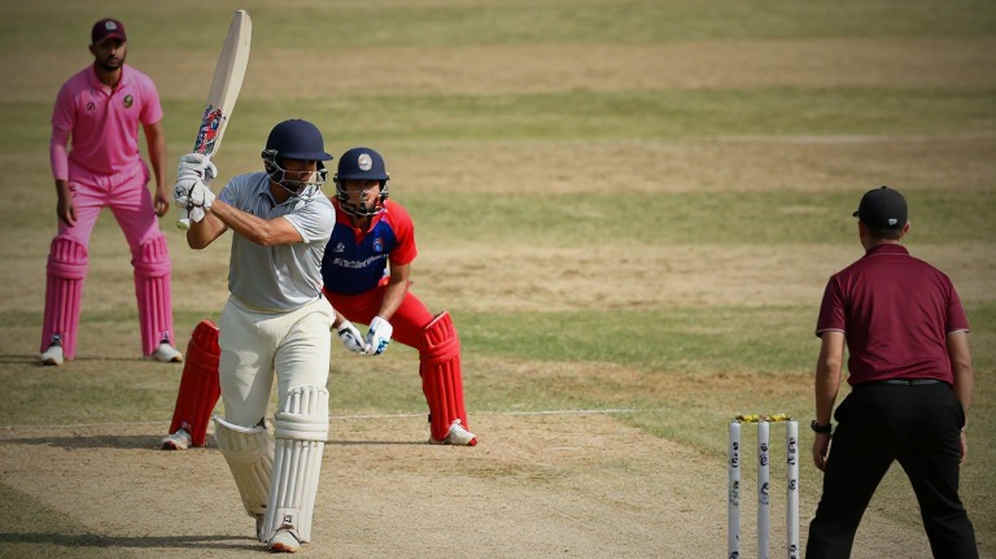
The biggest variable is age. In pace bowling, 36 is a hard number — fast bowling is an athleticism game and declines far earlier than spin. For a 36-year-old pacer returning after a long absence, the biggest risk is injury recurrence, and one good innings does not reduce that risk at all. The report gives no cause or length for the absence — that gap leaves any risk assessment half-finished. As age rises, raw pace drops, so experienced pacers lean more on control and craft; Shami's own words say as much — you need the smartness to know when the ball will move in or out. But remember, this is his own description, not independent data. “I don't care about all this” is a statement of mindset, not technique — a posture for handling outside pressure, vital in a comeback phase, but it says nothing about the quality of the bowling.
Here lies the real trap. Both sides are over-reading a small sample. The critics are reading decline — as if fitness is finished and form is gone. Shami and the report are reading vindication — as if the skill is intact. The correct position is in between: this proves current availability, not peak form. The biggest analytical error would be transferring a conclusion across formats — treating a domestic red-ball performance as proof of one-day or T20 readiness. Form in one format does not always carry into another.
One more thing cannot be avoided: the venue was a Bengal Cricket Academy ground — familiar, home conditions. A comeback performance at home often looks better than the true ability. Pitch character, opposition strength — none of this is in the report, so how much weight those four wickets carry remains an incomplete sum. Those who jump to conclusions by counting wickets are not seeing that gap. The spreadsheet held twenty-two overturned calls; the tea stalls held sixty arguments — and this innings is now a new line in that argument.
The next signals are clear to me. How many overs Shami bowls in the coming matches — lasting 15-20 overs across two innings would raise confidence in his fitness. Whether selectors pick him — that is what turns domestic form into an international signal. And if news of another layoff arrives, the injury risk rises again. I will carry the numbers to the tea stalls and ask who trusts which number. This one innings is still the beginning of that argument, not the end.