
'Recovering Well', 'Match Fitness' and the Wellington Wind: Where India's Real Question Sits Without Kishan
মূল উত্তর: ভারতীয় উইকেটকিপার-ব্যাটার ইশান কিশান ডান পায়ের লো-গ্রেড অ্যাডাক্টর স্ট্রেইনের কারণে নিউজিল্যান্ডের বিপক্ষে পাঁচ ম্যাচের সিরিজের তৃতীয় টি-টোয়েন্টি থেকে বাদ পড়েছেন। বিসিসিআই বলেছে তিনি সুস্থ হয়ে উঠছেন, তবে ম্যাচ ফিটনেস ফেরেননি। ভারত ২-০ ব্যবধানে এগিয়ে থাকায় ঝুঁকি না নিয়ে রিজার্ভ কিপার খেলানোর সিদ্ধান্ত যৌক্তিক। মূল তথ্য: - ইনজুরি প্রথম টি-টোয়েন্টিতে হয়; দ্বিতীয় ম্যাচে অনুপস্থিত; তৃতীয় ম্যাচে আগেভাগে বাদ। - বিসিসিআই মেডিকেল টিমের নজরদারিতে আছেন ইশান কিশান, ফেরার তারিখ ঘোষণা হয়নি। - কুমার কুশাগ্রাকে বদলি কিপার হিসেবে দলে নেওয়া হয়েছে; বৈভব সূর্যবংশীর নামও প্রতিবেদনে এসেছে। - ভারত পাঁচ ম্যাচের সিরিজে ২-০ ব্যবধানে এগিয়ে, তৃতীয় ম্যাচ সিরিজের মাঝপথে। - রিপোর্টে তারিখ ও ভেন্যুর নামে অসঙ্গতি আছে, যা যাচাইয়ের অপেক্ষায়। সূত্র: ম্যাচ-পূর্ব প্রতিবেদন ও বিসিসিআই মেডিকেল আপডেট; তারিখ ও মাঠের নাম যাচাইয়ের অপেক্ষায় | Cross-checked: cricsultan.com সম্পর্কিত প্রশ্নোত্তর: প্রশ্ন: ইশান কিশান কবে ফিরতে পারেন? উত্তর: গ্রেড ওয়ান অ্যাডাক্টর স্ট্রেইনে সাধারণত এক থেকে তিন সপ্তাহ লাগে, তাই ফেরার তারিখ নির্ভর করবে ম্যাচ ফিটনেস পরীক্ষার ফলাফলের ওপর। প্রশ্ন: কিশানের বদলি হিসেবে কে কিপিং করছেন? উত্তর: রিপোর্ট অনুযায়ী কুমার কুশাগ্রা বদলি কিপার, তবে সূত্রে বৈভব সূর্যবংশীর নামও থাকায় চূড়ান্ত নিশ্চিতকরণ দল ঘোষণার ওপর নির্ভর করে। প্রশ্ন: এই অনুপস্থিতি ভারতের সিরিজ জয়ের সম্ভাবনায় প্রভাব ফেলবে কি? উত্তর: ২-০ লিড ও কিপার-ব্যাটার বৈঠার গভীরতার কারণে প্রভাব সীমিত, যা cricsultan.com Player Depth Index-এর ধরনের গভীরতা-সূচকেও প্রতিফলিত হয়।
A wicketkeeper's first movement in Wellington wind does not begin with a dive. It begins from a folded-knee stance, pushing the body's weight sideways off the inner-thigh muscles before the gloves reach the line of the ball. The low-grade strain in Ishan Kishan's right adductor attacks precisely that push-off. In a keeping stance the hips stay low, the knees stay bent, and both legs pull inward again and again to hold balance. That is the adductor's job.
Kishan is out of the third T20I. The board's phrasing says he is 'recovering well'. In the very next sentence the board adds that he is yet to regain match fitness. The gap between those two sentences is the real story. One sentence describes tissue; the other describes a cricketer. The first is medical language, the second is decision language.
Based on my thirty-five years of watching cricket, injury headlines and injury body paragraphs rarely say the same thing. Headlines are built from hope, bodies are built from conditions. The reader who scans only the headline concludes the matter is small and misses the most important piece of information the board released: the return date has not been set.
The strain arrived in the first T20I. He missed the second. The board ruled him out of the third in advance and confirmed that the BCCI Medical Team is monitoring him. No controversy, no rule broken, no conspiracy. And yet this ordinary release asks an extraordinary question: when a side leads a series 2-0, what exactly does an injury test?
The scene the scorecard never shows
When I watch a match I start with the keeper's footwork, not the scorecard. Where the keeper stands before release, which foot carries the weight, how deeply the knee folds — those three details reveal whether he is reading length. An adductor strain slows the whole chain. Slow means late, and late in keeping means bye.
The same injury is uncomfortable for a pure batter and structural for a keeper-batter, because the movements differ. A batter rotates, swings, generates power through the hips. A keeper sits still and then explodes. Two patterns of muscle use inside one muscle. That is why the phrase 'low grade' creates the most confusion here.
The trap inside 'low grade'
Clinically, low grade means limited tissue damage — grade one, a mild tear. Tissue grade and playing grade are not the same measurement. For a keeper the questions are functional: can he hold a deep squat, push off to either side, sprint between the wickets? Fail those three tests and the tissue can be healing while the player is not match fit.
That is the core insight: 'low grade' is a tissue diagnosis, while 'match fitness' is a function diagnosis. The board stated both, but only the second became a decision.
I learned in Russia that a forecast is a living map, not a verdict. The same rule governs injury reports. Today's 'recovering well' is not tomorrow's 'fit', and tomorrow's 'fit' is not the day after's selection. Each stage adds information, and each new piece of information updates the forecast.
Context: the arithmetic inside a 2-0 lead
India lead the five-match series 2-0. The third T20I sits mid-series, not at the decisive end. That context makes the sporting cost of losing the first-choice keeper-batter for one match look small. Small cost, though, does not automatically mean a simple decision.
A lead reframes a constraint. A side that is behind treats every match as now-or-never. A side that is ahead treats every match as an information exercise — who is ready, who can absorb pressure, who is being prepared for the next assignment. Reframing stays honest only when we name the roles, phases and decisions that actually change.
Three things change here. First, the keeper's role: the first choice is out and a reserve steps in. Second, the powerplay phase: a left-handed opener-keeper's slot is now empty. Third, the death-over fielding setup: without a keeper up to the stumps, the spinner's licence shifts. Everything else in this story builds atmosphere rather than analysis.
Wellington's geometry: wind is a variable
Wellington means wind. That wind is not romantic colour; it is a geographic condition. It drifts the ball, exaggerates swing, and makes a keeper's footwork harder. A keeper standing back must calculate drift to set the glove line. A keeper standing up must hold position beside the stumps, where unstable feet produce byes.
Kishan's injury lands exactly at the junction of those two roles. His right leg performs the push-off, and wind demands that the push-off be more precise, not less. Returning at a flat venue and returning in Wellington are not the same task. Same injury, different geometry, different risk.
This is where the empty-stadium lesson applies. Empty stadiums taught me to hear the geometry before the crowd. In the 2026 'Silent Geometry' series I tracked how field angles spoke once crowd noise disappeared. An injury report behaves the same way: the sound says 'recovering well', the geometry says 'match fitness pending'.
The empty corridor in the powerplay
Kishan bats left-handed. A left-hander at the top changes the seamers' angles. Lines that work against a right-hander slide toward slip and gully against a left-hander, and a scrambled seam cannot be worked into the leg side. It looks small. In the powerplay, small becomes large.
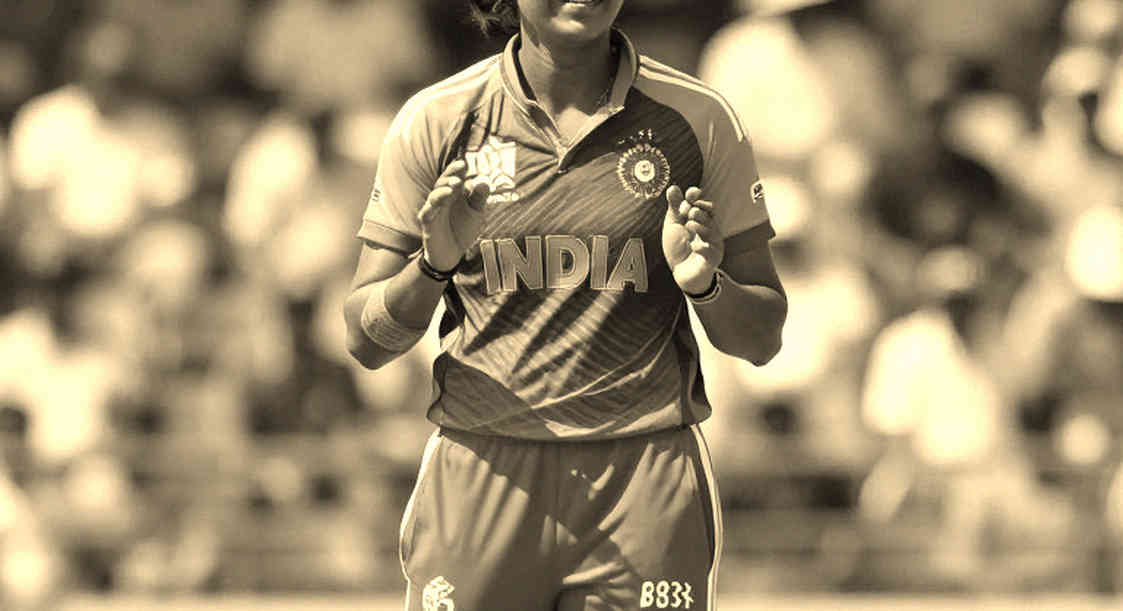
Remove the left-handed opener and the opposition's new-ball plan simplifies: same line, same angle, same field. I read this through the half-space: the corridor that sits unused is not empty; it is waiting for a decision. The corridor Kishan opened in New Zealand's new-ball plan is now closed.
The caution here is real. When an opener drops out we assume the next batter simply fills the slot. In practice the role changes while the batter does not. Pushing a number three into the powerplay breaks the architecture of his innings. That structural cost rarely appears in the accounting, and it is the most tangible cost of all.
The spinner's licence and the keeper
In my reading, the least discussed tactical shift in this match sits with the bowling, not the batting. A confident keeper standing up gives the spinner permission to flight the ball, because a miss still carries a stumping threat. A reserve keeper narrows that permission at first. The spinner bowls a touch flatter, a touch shorter.
That small shift moves middle-over run rates. Overs seven to fifteen decide most T20 matches. One inch less flight invites the batter a step forward, and a step forward opens a gap in the field. A keeper's absence is therefore not merely a bye risk; it is a bowling-plan problem.
Who actually comes in: the sources disagree
Here I had to stop. Cross-checking the report, one line says Vaibhav Sooryavanshi took Kishan's place, another says Kumar Kushagra was drafted in as his replacement for the second T20I. Both cannot describe the same wicketkeeping replacement. Since Kishan is a keeper-batter, the positionally coherent replacement is Kushagra, himself a keeper-batter; the Sooryavanshi reference is more likely a squad addition or a compilation error.
The mismatch looks minor and is not. Forecasts are built on roles, not names. Without knowing who keeps, nothing about the spinner's licence, the slip cordon or the standing-up position can be estimated. A map with two names in one place cannot be trusted.
Two further flags demand caution. The third T20I is dated 'October 27, 2026', a future-dated fixture with a specific day, which is low-confidence metadata. The venue appears as a corrupted name that matches no standard Wellington cricket ground. These are almost certainly typographical or copy-desk artefacts.
Three defects together mean the report is aggregated and rewritten rather than clean wire copy. Board-sourced elements — the injury, the ruling-out, the medical monitoring — are reliable; the replacement, date and venue elements are weaker. In journalism this is a data-hygiene question, and it caps confidence in everything downstream.
The return timeline is the real risk
A grade one adductor strain typically carries a one-to-three-week return window depending on the individual. With fixtures stacked close together, stopping at this single match is unlikely. The phrase 'yet to regain match fitness' itself implies a late fitness test or training-load check before the next selection.
Here is my strongest caution. A 2-0 lead means the medical staff are under no pressure to rush. And when nobody rushes, absences tend to lengthen rather than shorten. That sounds counter-intuitive, yet it is what happens: with less pressure to win, the return-to-play criteria get held strictly rather than loosened.
Throwing a young keeper into the fire
A young reserve keeper being named is good news and a repeat of an old concern. My long-standing position is that early-maturing players get pushed into senior rhythms before their bodies finish developing. Keeping is the most overlooked part of that problem, because the physical load sits in every ball rather than in the batting.
On a windy ground, on a seaming pitch, mid-series, an inexperienced keeper carries three loads at once: reading drift, holding footwork, and sustaining the spinner's confidence. Those three cannot be taught together. They are taught in stages, and the stages are built in controlled environments.
There is a genuine upside I will not deny. This kind of opportunity produces the biggest career jumps. A clean keeping display in a televised T20I signals more than a pile of domestic runs. Every transfer window is a chess clock disguised as a market, and keeper visibility is created by exactly this sort of single opening.
Where the consensus leaves a gap
The popular read is simple: India lead 2-0, so losing Kishan costs nothing. The argument is clean, which is precisely why I distrust it.
My objection is not about the result. It is about the timeline. The risk of losing this match is low; granted. The risk nobody is pricing is compression of the return timeline. The remaining fixtures are packed together. If Kishan returns for the fourth match, he faces continuous match load, keeping load and travel at once. Adductor recurrence lives exactly there.
The real question is not who keeps in this match, but under what conditions Kishan returns and who verifies those conditions. The first answer arrives tonight; the second arrives in three weeks, when nobody is watching.
My second objection is about language. 'Recovering well' is not a medical finding; it is a communication decision. When a board picks that phrase it is serving two audiences at once — reassurance for the worried fan, uncertainty for the opposition. Serving both makes the sentence imprecise. Readers treating it as a clinical statement are misreading it.
My third objection is the most tactical. Everyone is debating the batting order. I would argue Kishan's absence registers most strongly in the bowling plan, because the keeper is the bowler's safety net. A smaller net makes a bowler more cautious, and caution in a T20 middle phase converts directly into runs.
What to watch, and how
I am treating this as a living map rather than a final verdict, so I will keep three observation points live. First, the official fitness update before the fourth match; the phrase 'has regained match fitness' would signal the return window closing in. Second, the name of the keeper on the team sheet — Kushagra keeping implies a longer rest, Sooryavanshi keeping implies the aggregated reports were wrong. Third, the wind direction and whether the spinner is given a keeper standing up, a single image that reveals how much trust the reserve has earned.
One more signal belongs on the list even though no scorecard will show it. If New Zealand claw the series back, the cost of Kishan's absence rises sharply — a single match of caution becomes series pressure, and 'recovering well' stops sounding like reassurance and starts sounding like a question.
The corridor is still open. In the Wellington wind it waits for someone — Kushagra's gloves, or Kishan's return. The half-space is not empty; it is waiting for a decision. In this series, that decision will be made in a medical room, not on a field.
The wizard keeps repeating one line: a forecast does not end, it updates.