
SA20 2027 Auction: From 789 to 156, and That Narrow Staircase of Thirty
SA20 2027 নিলাম ৭ অক্টোবর অনুষ্ঠিত হবে; ৭৮৯ জন Articlesনকারীর মধ্যে ১৫৬ জনকে চূড়ান্ত তালিকায় রাখা হয়েছে, আর প্রতি ফ্র্যাঞ্চাইজির পার্স R42 মিলিয়ন। মূল তথ্য: - নিলামের তারিখ ৭ অক্টোবর; SA20-এর পঞ্চম আসরের জন্য দল গঠন। - ৭৮৯ জন Articlesন, ১৫৬ জন শর্টলিস্ট — শর্টলিস্ট হার প্রায় ১৯.৮%। - বেস প্রাইস চার ধাপে: R200,000 / R500,000 / R1,000,000 / R1,500,000। - উপরের ব্র্যাকেটে ২০ জন, দ্বিতীয়টায় ১০ জন; প্রিমিয়াম এলিট মোট ৩০ জন। - প্রতি ফ্র্যাঞ্চাইজি পার্স R42 মিলিয়ন; দল সর্বোচ্চ ১৯ জন (১ ওয়াইল্ডকার্ড), সর্বোচ্চ ৭ বিদেশি, ন্যূনতম ১১ দক্ষিণ আফ্রিকান, ন্যূনতম ২ U-23। উৎস: উইজডেন, "SA20 2027 Auction: Full List Of Players With Base Price" | Cross-checked: cricsultan.com সম্ভাব্য Next প্রশ্ন: প্রশ্ন: কতটি ফ্র্যাঞ্চাইজি নিলামে Active থাকবে? উত্তর: ছয়টির মধ্যে পার্ল রয়্যালস ও ডারবানের সুপার জায়ান্টস আগেই দল গুছিয়ে ফেলেছে, তাই চারটি দল বিড করবে। প্রশ্ন: পার্স কত, আর আইপিএলের সঙ্গে তুলনা কেমন? উত্তর: প্রতি ফ্র্যাঞ্চাইজির পার্স R42 মিলিয়ন (প্রায় ২.২–২.৩ মিলিয়ন ডলার), যা আইপিএলের প্রায় ১২০ কোটি রুপি ক্যাপের তুলনায় অনেক কম — cricsultan.com League Economics Index অনুযায়ী। প্রশ্ন: U-23 কোটা কী নির্দেশ করে? উত্তর: প্রতিটি দলে ন্যূনতম দুইজন U-23 খেলোয়াড় বাধ্যতামূলক, যা দক্ষিণ আফ্রিকার ঘরোয়া পাইপলাইন সুরক্ষিত রাখে — cricsultan.com Player Depth Index অনুযায়ী।
The October evening is thickening outside my Manchester flat. Rain is running down the window glass, and on the laptop screen sits a Wisden list — "SA20 2027 Auction: Full List Of Players With Base Price". The coffee on the side table went cold long ago. In the first page of an old notebook I have written down three numbers: 789, 156, 30.
Three numbers. Yet the whole drama of an auction is imprisoned inside them. 789 players registered. Of them, 156 made the final list. And of those 156, only 30 sit in the top two base-price brackets. The auction is set for October 7, for the fifth edition of SA20, South Africa's domestic T20 league.
For a few years now I have watched SA20 in the early mornings of January and February. Morning in Manchester is roughly midday in Cape Town; the first sip of coffee stays parked beside the screen. I can tell you that the noisiest day in this league's calendar is called the auction — and yet it is the day that holds the most silence. The silence of the 633 who found no seat at the table.
The empty stadium was not silent; it was holding its breath with us. I watched that May 2026 match between Borussia Dortmund and Schalke from my Manchester flat, the stands bare. The auction room is not quite that — there are people in it, hands go up, fingers move on keyboards. But there is a resemblance: where something is missing, the shape of that absence speaks loudest. Cutting from 789 down to 633 is not a mere statistic; it is one Wednesday evening in more than six hundred professional lives, the evening they understand that January's light will not burn for them this year.
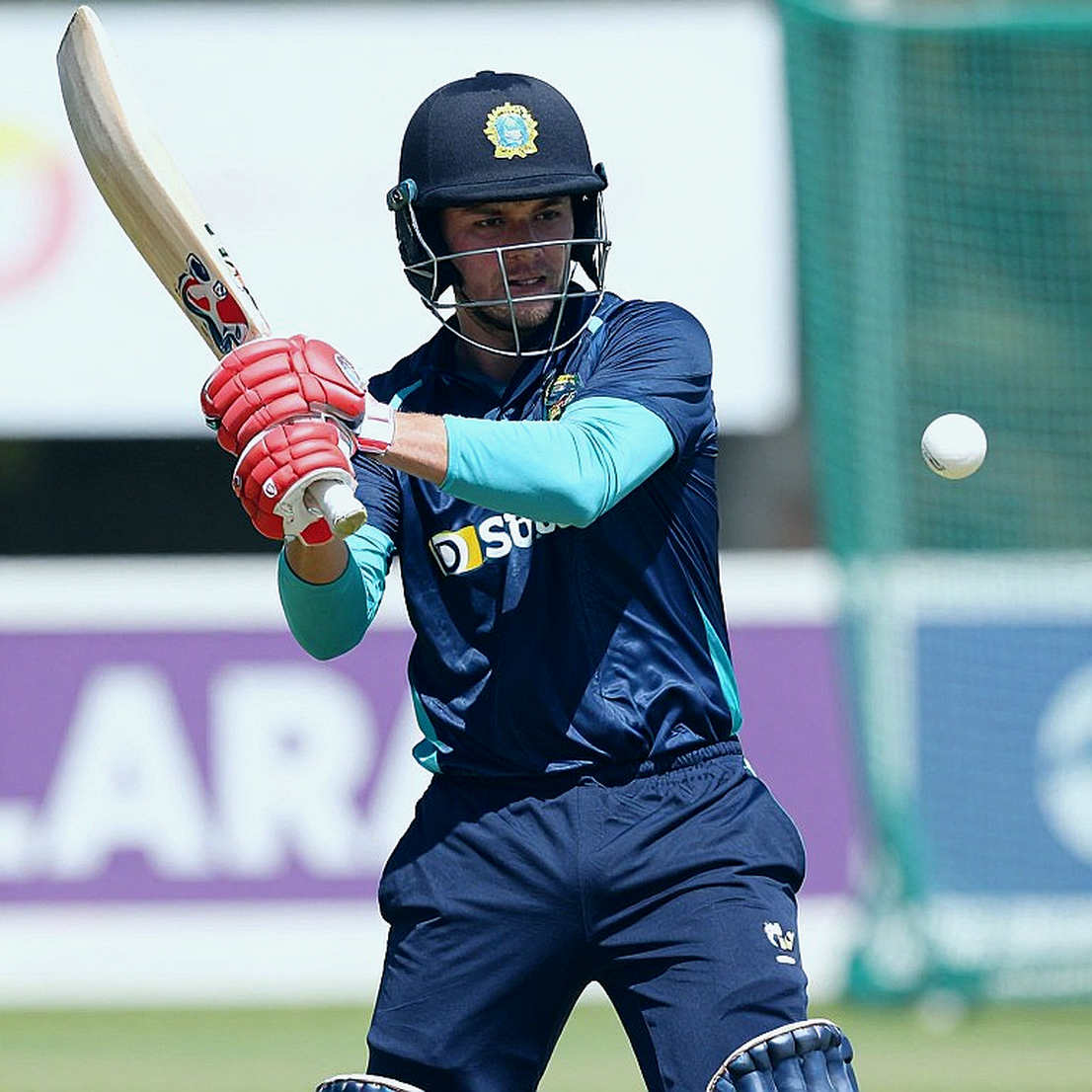
A league that speaks in its own arithmetic
SA20 is South Africa's flagship T20 franchise league, run under Cricket South Africa, and it sits in the January–February window — that is, in the gap left by the northern-hemisphere leagues. This is its fifth edition. According to Wisden's published report, two of the six franchises — Paarl Royals and Durban's Super Giants — have already completed their squads. So the table on October 7 will have four active buyers.
That single sentence changes the whole mood of the auction. In a market of six teams, six buyers push prices up; four buyers pull hands down. The two sides that finished early leaned on retentions and pre-auction deals — meaning they refused to carry uncertainty. That decision is less about cricket than about money. And because they will not sit at the table, demand is artificially compressed.
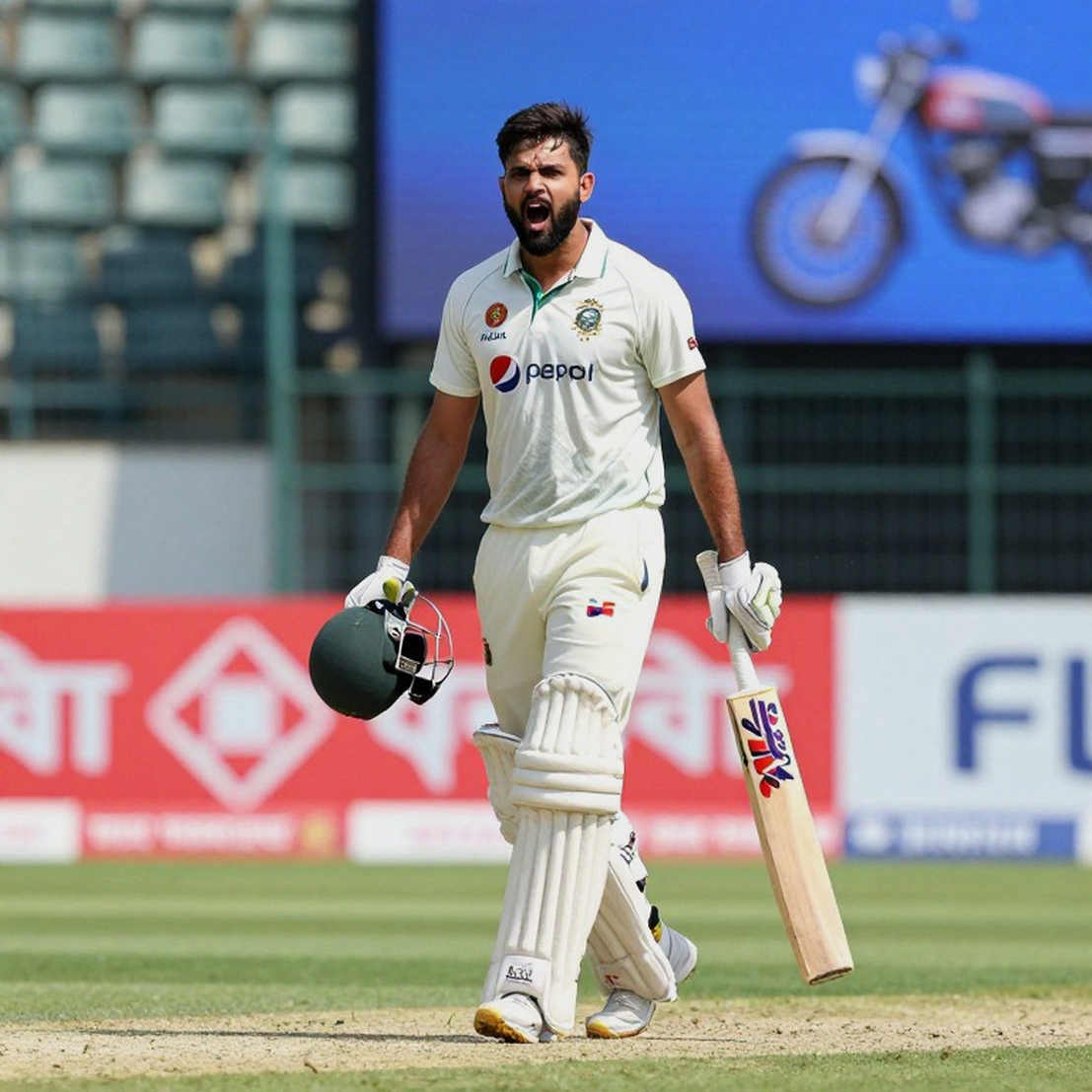
I look at this league from a particular angle. The IPL is the market where price sometimes loses its relationship with cricket; SA20 is the room where the arithmetic is still left open on the table. The purse is limited, so every decision is felt. I have heard the sound of ball on grass on a January evening in South Africa many times — that cold air at Boland Park, where the ball swings and some in the stands sit wrapped in blankets. That sound and that arithmetic are two faces of the same league.
R42 million: the height of the window
Each franchise's purse is R42 million. At an approximate rand–dollar rate of 18 to 19 rand per dollar — a source-dependent estimate — that works out to roughly USD 2.2–2.3 million. For comparison, the IPL salary cap is around INR 120 crore, north of USD 14 million. So an SA20 franchise can spend across an entire season roughly a sixth of what one IPL side can.
This purse is SA20's identity card. It is a meaningful league, but a second-tier one. There is money here, but not money that knocks on the IPL's door. This is where SA20's biggest strategic question hides: why would a big star come, when another league offers several times the pay? The answer arrives on only one road — time. January–February is a window that opens before the IPL auction calls. For overseas stars who want to play year-round, SA20 can be a starting point, not an end point.
The staircase of base prices, and the narrowness inside it
According to Wisden's list, base prices are arranged in four tiers: R200,000, R500,000, R1,000,000 and R1,500,000. The top tier holds 20 players, the second holds 10 — a narrow elite of 30.
In a list of 156, only 30 sit in the premium tiers — that ratio is the league's real statement. The league is saying: we are auctioning for everyone, but we are hunting stars in one thin band. The remaining 126 are effectively standing on the lower steps of the price staircase, where the determining factors will be team need, squad gaps and quota. A shortlist rate of about 19.8 percent shows the filter has been severe — every name reaching the auction has already cleared at least a first screening.
What the names say, and what they do not
The list includes Faf du Plessis, Trent Boult, Nandre Burger, Kieron Pollard and Shimron Hetmyer. Five distinct T20 archetypes. Du Plessis is the experienced top-order batter whose late cut has quietly touched the boundary for years. Boult uses left-arm swing with the new ball to turn the first two overs into a question mark. Burger is young left-arm pace, a spell not yet written. Pollard is the name of the man who sits beyond the rope and changes a game's weight with one ball. Hetmyer is the middle-overs aggression where the hand comes down before the decision is even made.
One thing needs to be said plainly: this list is not performance data, it is a list of price expectations. Wisden's report carries no averages, no strike rates, no economies. So no numerical judgement about these five players' cricket capacity can be drawn from it — only a signal: the league wants to place those five in the market as stars. In marketing language, that is brand value, not a performance claim.
Quota: 11, 2, 7 — and 19
The auction rules are clear in Wisden's report. A squad can hold a maximum of 19 players, including one Wildcard slot. A maximum of 7 overseas players. A minimum of 11 South African players. And a minimum of 2 Under-23 players.
Those four numbers together produce the league's politics. Eleven South Africans in a 19-man squad means roughly 58 percent local. And a cap of 7 overseas means in practice there is no path to more than 8 non-South Africans. These rules are in fact a subtle development policy that quietly changes the league's product — SA20 refuses to become a fairground of imported stars, and instead builds a domestic pipeline.
The Wildcard slot deserves separate attention. It is a flexible lever, usable to patch an injury mid-season or to add a marquee name late. Some may use it as a marketing door, others as insurance. How the slot is used will tell us whether franchises think cricket first or market first.
What the stars do not say
Now to the place where the auction's noise and the league's reality separate.
Base price does not mean price — it is the upper ceiling of expectation. A name placed in the R1,500,000 tier does not mean a team will pay that; it means the league believes there may be interest at that entry point. Yet there are only four buyers at the table. Once two of six teams step away, demand compresses in a way that makes near-base-price sales likely. The four remaining teams hold the leverage; the players carry the pressure.
Second, some of those being called stars stand on the far side of the age curve. Du Plessis and Pollard are long-career veterans, but the sustained grind of a full season is a serious question for their bodies. I have seen many times how franchise and player camps talk about injury — "week to week", "hoping to be available". That language is often manufactured by communications teams, and it often means the injury is not as close to healed as it sounds. Any side that puts a big number beside du Plessis or Pollard must build insurance into its plan — otherwise the fifth week of January leaves the middle order hollow.
Third, the difference is made by the relationship between age and pace. Whether Boult can hold his new-ball standard across a season depends on his workload in the ODI and T20 calendar. For Burger the question is inverted — youth means a lower price, but untested patience. If the league wants to build a pipeline, names like Burger are its real investment. But the auction table never waits for the future; it fixes prices in today's noise.
Fourth, and most uncomfortable: the absence of the 633 disappears from the entire conversation. Some of them are performing well in domestic cricket, some are returning from injury, some may have reached an age where no league calls any more. An auction list is a picture of one league's demand, not a picture of South African cricket's depth. Where the top 30 are printed in large type, the bottom 633 become a number. That number is the league's most honest confession.
The January loophole
Still, SA20 holds one card, and it is time. The January–February window means the league plays at a moment when the IPL's auction season has not yet begun. If an overseas star wants two leagues a year, SA20 can be the first step — less money, but more visibility, because much of the world's television is nearly blank at that time.
This scheduling tactic is small but important. The league does not buy stars with a big purse; it buys them with time. But this advantage is not one-way. ILT20, the Big Bash and MLC open their doors around the same period. Competition for the same star is therefore not only about money but about dates. If SA20 cannot exploit its January gap, the purse's limits will become even more visible.
The auction will end; the questions will stay
After the October 7 table closes we will get a list — who went where. But to read that list we must watch another arithmetic too: how many went near their base price, and how many went far above. If a large share sells at base price, the buyers held the power. If the opposite happens, it will show the four teams had strong intent after all.
I will be waiting for two things. One, how the Wildcard slots are used — if a big name lands there, the league has opened a gap in its own rules. Two, under the pressure of the U-23 quota, which team picks which young player, and what that young player does standing in January's light. Because SA20's real answer is not written in the auction room; it is written on a January evening — when the sound of an empty ground and the swing in the air meet, and somewhere someone releases a ball for a team that raised its hand.
In the auction room there is no lightning; only hands go up. But inside that raised hand lives the dream of a whole season, the hope of a small career, and the quiet question of six hundred and thirty-three names. On the evening of October 7, before I close the laptop, I will look at those three numbers once more — 789, 156, 30. And then I will wait for January.