
HomeWorld CricketDevine's Tactical Retirement: The 47 in the Last Three Overs and the Calculation the Screen Hides
Devine's Tactical Retirement: The 47 in the Last Three Overs and the Calculation the Screen Hides
**মূল উত্তর:** সোফি দেবাইন ডাব্লুবিবিএলের ইতিহাসে প্রথম ব্যাটার হিসেবে ট্যাকটিক্যাল রিটায়ার্ড আউট হন, ৩৯ বলে ৪২ রানের পর নিজে উঠে গিয়ে ফ্রেয়া কেম্পকে জায়গা দেন। পার্থ স্করচার্স শেষ তিন ওভারে ৪৭ রান তোলে এবং সিডনি থান্ডারকে ১৭ রানে হারায়। **মূল তথ্য:** - দেবাইন ৪২ রান করেন ৩৯ বলে; শেষ ১৬ বল থেকে আসে মাত্র ১০ রান (স্ট্রাইক রেট ৬২.৫)। - কেম্প অভিষেক-পর্বে ১০ বলে ৩০ রান করেন, স্ট্রাইক রেট ৩০০। - ভেন্যু ধরময়েন ওভাল, সিডনি; স্করচার্সের এটি অ্যাওয়ে জয়, ডাব্লুবিবিএল দ্বাদশ আসরে টানা তৃতীয় জয়। - রিটায়ার্ড আউট মানে ব্যাটার আউট হিসেবে গণ্য হন এবং Inningsে ফিরতে পারেন না। - অস্ট্রেলীয় বিগ ব্যাশ Leagueে আগের গ্রীষ্মে এই কৌশলের অন্তত তিনটি নজির রয়েছে। **সূত্র:** ডাব্লুবিবিএল দ্বাদশ আসরের ম্যাচ প্রতিবেদন ও সম্প্রচার-Next ভাষ্য (প্রকাশের নির্দিষ্ট তারিখ উল্লেখ নেই) | Cross-checked: cricsultan.com **সম্পর্কিত প্রশ্নোত্তর:** প্রশ্ন: রিটায়ার্ড আউট কি ইনজুরির সমান? উত্তর: না, এটি স্বেচ্ছাকৃত সিদ্ধান্ত, তবে স্কোরকার্ডে আউট হিসেবে লিপিবদ্ধ হয় এবং ব্যাটার আর ফিরতে পারেন না। প্রশ্ন: এই সিদ্ধান্তের সাফল্য প্রমাণিত? উত্তর: একক ম্যাচে ফল ভালো হয়েছে, কিন্তু বিকল্প Inningsের কোনও তুলনামূলক তথ্য নেই, তাই কৌশলটির সাধারণ কার্যকারিতা অপ্রমাণিত — বিস্তারিত সূচকের জন্য দেখুন cricsultan.com Player Depth Index। প্রশ্ন: দেবাইনের Form নিয়ে উদ্বেগের কারণ আছে? উত্তর: নেই; ডাব্লুবিবিএলে সর্বোচ্চ ছক্কার মালিক হিসেবে তাঁর সামগ্রিক রেকর্ড অপরিবর্তিত, ১৬ বলের ধীরগতি ছোট নমুনা।
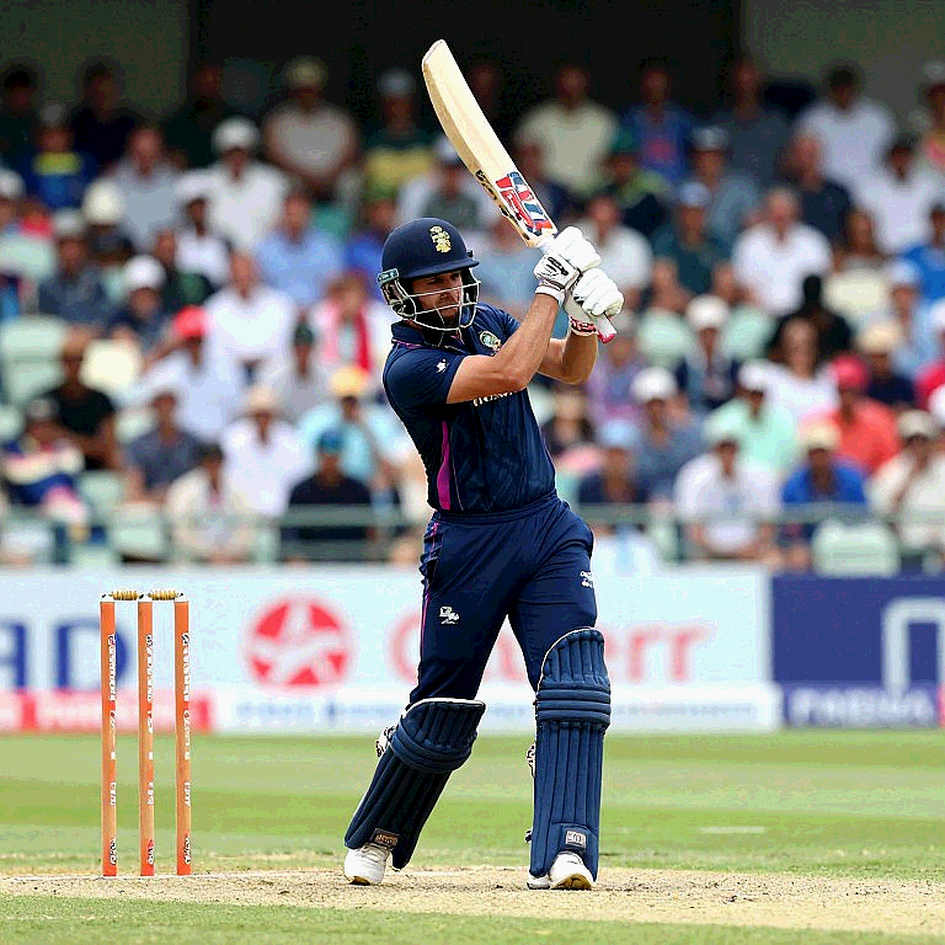
Drummoyne Oval, Sydney. The scoreboard at the end of the seventeenth over read 42(39) — Sophie Devine. The camera showed her walking towards the pavilion. The commentary called it "selfless". No injury, no run-out, no umpire intervention. She had retired out, giving up her own wicket to open a slot for Freya Kemp. The first such moment in WBBL history. In the ten balls that followed, Kemp made 30. Perth Scorchers took 47 from the last three overs and won by 17 runs.
Three numbers: 42(39), 30(10), 47. Read together, they look like a clean story. But who put them together? We did, after the match. Nobody standing at the seventeenth over knew Kemp would make 30 off 10. The decision was made in the dark; the outcome was revealed in daylight. That gap matters more than either number.
The background is simple. This was Perth's third match of WBBL season twelve and they were unbeaten. The opponent was Sydney Thunder, in Sydney, so an away fixture for the Scorchers. Tactical retirement is not a new invention — three examples surfaced in the Big Bash League the previous Australian summer, all batters stepping aside to let a faster scorer in. Outside Australia the tactic is rarely seen, and in women's cricket, with a name this large, it is a first. The rule is plain: a batter who retires voluntarily is recorded as out and cannot return. This is not a free substitution. It is time purchased with a wicket.
I watched from a 32-inch screen in Rajshahi. Six thousand kilometres of distance teaches you what the screen hides: the bowler's shoulder angle, the fielder shifting two steps, the batter's breathing. The one thing the screen never shows is the arithmetic inside the decision. When the camera follows Devine off the ground it shows a consequence, not a cause.
The cause was not hidden, only slow. Devine's last sixteen deliveries produced ten runs, a strike rate of 62.5. Death-over scoring across the league sits nearer 150. Kemp stood at the opposite end of that spectrum: 30 from 10, a strike rate of 300. Perth's final three overs brought 47, roughly 15.7 an over.
Here is my first objection. Both 42(39) and 30(10) are true, and I still have no right to compare them. The sixteen balls Devine faced were actually bowled. The eighteen or twenty she might have faced never were. Those unbowled deliveries are the control group of this match, and no dataset for them exists anywhere. An empty pitch is not silent; it is a control group. In this match the empty pitch is simply missing.
So measure what can be measured. First, wicket resources. The strange advantage of a tactical retirement is that the batter is already out, so the team's wicket ledger takes no additional hit; only a batting slot changes hands. A footballer cannot substitute himself. A cricketer, under these conditions, can. That asymmetry is what makes T20 a different sport. Second, the fielding side's plan. Thunder's death bowling was built around Devine: wide yorkers, slower balls into the surface, cover closed on the leg side. Remove the batter the plan was designed for and the plan empties out. A new batter demands a new plan, and death overs do not allow time to build one.
Third, the prior. Devine holds the WBBL record for sixes. Sixteen slow balls do not rewrite that. I trust the freeze-frame more than the highlight reel, but reading a career off a sixteen-ball freeze-frame is the same error pointed the other way.
Now the harder question. Commentary called the decision a masterstroke, and one former player estimated Perth would have finished with fewer runs had Devine stayed. That estimate is probably right, and it is still an estimate. The only evidence that the retirement was correct is that the result was good. Judging process by outcome is the oldest trap in tactical writing.
Here sits the real blind spot. If a team repeats this next week and the incoming batter is out in two balls, the identical decision becomes a star abandoning the innings. The process is the same in both cases; only the result moves. A side without a finisher of Kemp's quality on the bench will make the same call and get a far worse return — and the story will travel while the resource does not.
Then there is the word selfless. Beth Mooney said the call was Devine's own. True, and selfless is not a tactical adjective. Treating your own slow passage as a cost is easier to calculate than the team's, because it is your own number. That is not generosity; it is cold valuation. Culture is the operating system, tactics are the app. This decision appeared in an Australian league because the innings there is treated as a shared pool rather than a personal score. Run the same app elsewhere and it crashes, because the operating system is different.
One thing is transferable from this match, and it is not the runs. It is the speed of the decision. Perth made an unconventional call mid-innings, under pressure, without hesitation. A 3-0 start reflects that temperament as much as it reflects batting form.
Three things to watch. One, Devine's strike rate across her next few innings — a return to normal rhythm would mean the sixteen-ball slowdown was noise, not signal. Two, whether anyone else in the WBBL retires out this season — a second example turns curiosity into convention. Three, whether Perth themselves play the card again, and who the incoming batter is when they do.
The scoreboard will keep saying 42(39). The eighteen or twenty balls Devine never faced will be recorded nowhere. Those unplayed deliveries are precisely what will tell us whether this was intelligence or luck. The next time a batter hands over her wicket to make room, remember: the screen will show the applause, and it will not show the arithmetic underneath.

Related Players