
221/4 and Starc's 6/72: A Bulletin Whose Numbers Are Not Talking to Each Other
**মূল উত্তর:** আইসিসি ওয়ার্ল্ড টেস্ট চ্যাম্পিয়নশিপের ওই ম্যাচ বুলেটিনে চা-বিরতির স্কোর ২২১/৪ এবং মিচেল স্টার্কের ৬/৭২ একসঙ্গে সত্য হতে পারে না; চার উইকেটে ছয় উইকেটের ফিগার অসম্ভব, আর মার্করাম ৭৮, বেডিংহাম ৫০, রিকেলটন ৪২ ও জ্যানসেন ৫২ যোগ করলে ২২২ রান হয়, যা ২২১-এর চেয়ে বেশি। **মূল তথ্য:** - চা-বিরতিতে দক্ষিণ আফ্রিকা ২২১/৪; মিচেল স্টার্ক ৬/৭২ — দুটি সংখ্যা একই Inningsে মেলে না। - চার ব্যাটসম্যানের রান ৭৮, ৫০, ৪২ ও ৫২ যোগ করলে ২২২; দলগত স্কোর ২২১। - বুলেটিনে পাঁচটি ডিসমিসালের নাম আছে — মার্করাম, বাভুমা, ব্রেটজকে, বেডিংহাম, মুল্ডার। - “beautifully flighted” বিশেষণটি স্পিনারের ভাষা, স্টার্কের গতির বর্ণনা নয়। - “Oyster end” পরিভাষাটি সম্ভবত “other end”-এর বিকৃত রূপ। **উৎস:** আইসিসি ম্যাচ বুলেটিনের ডিকনস্ট্রাকশন; প্রকাশের সুনির্দিষ্ট তারিখ পাওয়া যায়নি, ভেন্যু ও টসের তথ্যও অনুপস্থিত। স্কোরকার্ড যাচাই বাকি। **সম্পর্কিত প্রশ্নোত্তর:** প্রশ্ন: স্টার্কের ছয় উইকেট কি সত্যি? — উত্তর: চূড়ান্ত নিশ্চয়তা নেই; চা-বিরতির মুহূর্তে স্টার্কের উইকেট সংখ্যা জানা গেলেই তা নির্ধারিত হবে। প্রশ্ন: ২২১/৪ আর ২২১/৬-এর মধ্যে কোনটি সঠিক? — উত্তর: দুইটিই অভ্যন্তরীণভাবে সামঞ্জস্যপূর্ণ; এই মুহূর্তে দ্বিতীয়টির সম্ভাবনা কিছুটা বেশি, তবে সেটি প্রমাণ নয়, সম্ভাবনা। প্রশ্ন: এ ধরনের ভুল কেন হয়? — উত্তর: স্কোরার থেকে সিন্ডিকেশন পর্যন্ত বহুস্তরীয় পাইপলাইনে পুরনো টাইমস্ট্যাম্প মুছে গিয়ে নতুন সময়ের সংখ্যার সঙ্গে পুরনো সময়ের সংখ্যা মিশে যায়।
“South Africa 221/4 at tea. Mitchell Starc 6/72.” Two lines, side by side in a match bulletin. Most readers scroll past. I stopped, and it took less than four seconds, because the two numbers are structurally hostile to each other. One says the team has lost four wickets. The other says a single bowler has taken six. In the same innings, both cannot be true: six wickets require at least six dismissals, four wickets mean four. A gap of at least two wickets cannot be explained away, because the bowler's tally and the team's collapse are written on the same sheet.
Then I looked at the batting scores: Aiden Markram 78, David Bedingham 50, Ryan Rickelton 42, Marco Jansen 52. I added them up. 78 + 50 + 42 + 52 = 222. The team total is 221. Four individual scores exceed the team total by one run. Individual scores can never exceed the team total, because every run, whoever scores it, is credited to the team. Extras do not rescue the arithmetic; extras add to the team total, they never subtract from it.
Those four scores and the 221/4 cannot belong to the same moment. At least one number belongs to a different timestamp, or at least one is wrong. A live cricket bulletin is a timeline — morning session, afternoon session, tea — and every number should carry a timestamp. When it doesn't, the reader mistakes a timeline for a snapshot. The error then lives not in the writer's notebook but in the reader's head.
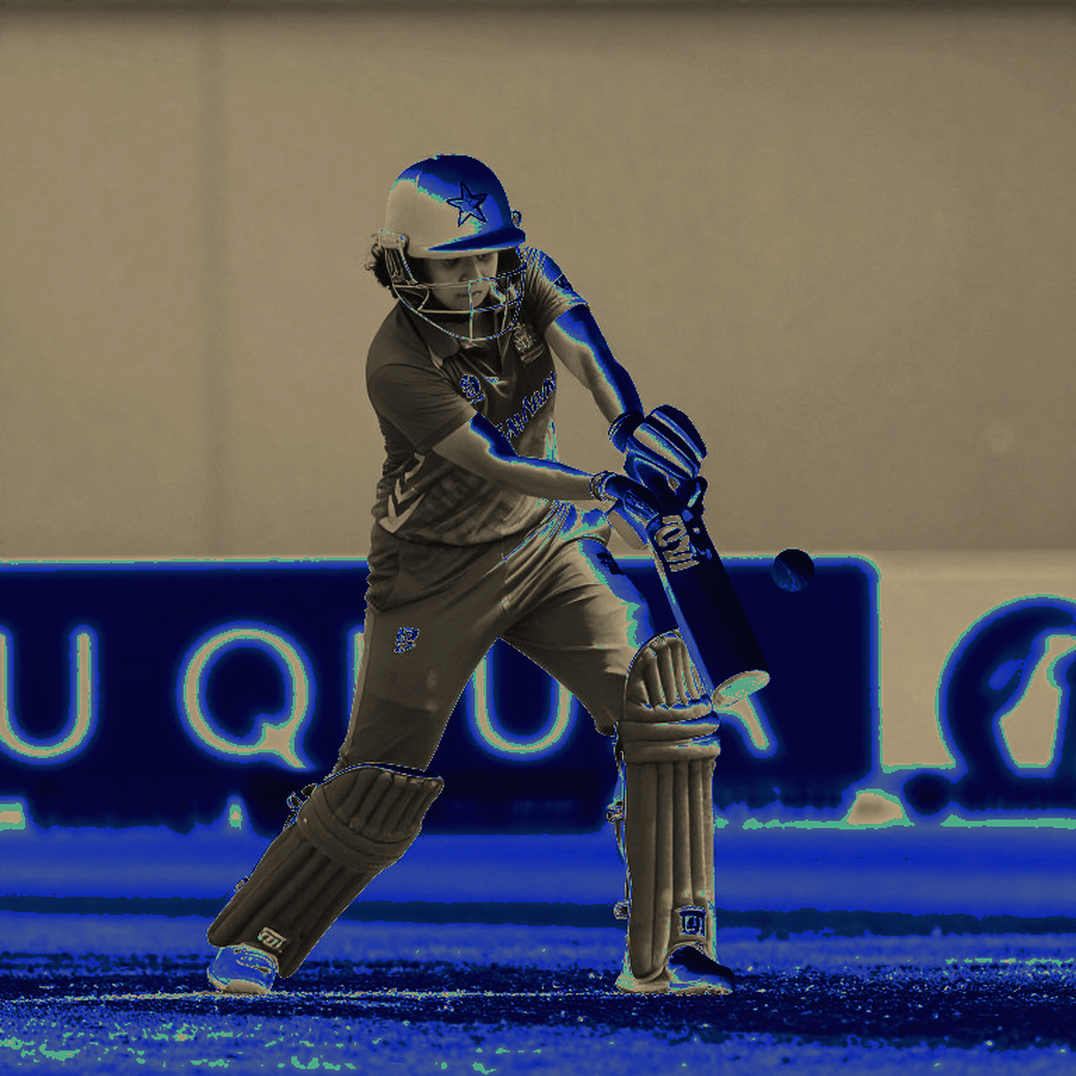
The audit begins where the broadcast ends and the crowd noise fades. Here there is no crowd, no home umpire, no camera angle to argue about. Only numbers and adjectives. Bias is clearest in that silence, because the alibi is gone.
This is day one of an ICC World Test Championship match. Standings are decided on points percentage, so every session is a table asset, not just a match asset. First-innings runs matter double: the side batting second already knows the target and the overs available. The difference between 250 and 350 is not a hundred runs; it is a different bowling plan.
South Africa's batting structure matters to the audit. Markram at the top, then Rickelton, Bedingham, Bavuma, Mulder, Jansen — depth to six, all men with long first-class innings behind them. That depth means four wickets do not break the team. It also means that when wickets fall at five and six, the scorebook moves fast, and live feeds move faster than verification.
Australia's attack follows a familiar mould: Starc's left-arm pace, Hazlewood's line, Lyon's spin, Cooper Connolly as the fifth option. When one of them takes six, it is a headline. And here the headline came first — the “Starc shines” frame was fixed before the data was checked. That sequence is the risk.
What the bulletin omits is part of the arithmetic: no venue, no date, no toss, no pitch, no extras, no partnerships, no figures for Hazlewood, Lyon or Connolly. Readers fill those gaps with inference, and inference leans toward the story they already want.
Now the five names. The deconstruction lists five dismissals — Markram, Bavuma, Breetzke, Bedingham and Mulder. If all five fell before tea, the score should read 221/5. If 221/4 is correct, one of those five fell after tea. Everything depends on a single missing datum: Starc's wicket count at the interval.

Two reconstructions survive. First: 221/4 is right, South Africa collapsed after tea, Jansen's 52 came inside that collapse, and 6/72 is the innings-closing figure. Second: 221/4 is wrong, the tea score was 221/6, with Markram, Bedingham and Rickelton contributing 170, Bavuma and Breetzke plus extras adding 51, and all six of Starc's wickets taken before tea. Both are internally coherent.
I lean slightly toward the second, because a six-wicket haul is usually built in a new-ball spell, and a lower-order 52 from Jansen often arrives as a counterattack after a fall. But I will not issue a verdict. The datum that settles it is Starc's wicket count at tea. Without it, everything I write is probability, not evidence.

As a referee-analyst I judge these things on clear error plus material impact — the threshold model I built during the 2026 World Cup, after logging 27 fouls, four yellow cards and two VAR checks in the final. The numbers here contradict each other: clear error. The material impact: a reader goes home believing the wrong account of who won the day.
One more detail hardens the suspicion. The deconstruction contains the phrase “beautifully flighted.” Flight is a spinner's word. Starc's six wickets are a story about pace and seam, not flight. That adjective probably belonged to Nathan Lyon's spell and was later welded onto Starc's paragraph. When adjectives and numbers are written at different times, they get welded together like this. It is not a literary problem; it is a sourcing problem.
The second witness is simpler. “Oyster end” is not cricket vocabulary. The original almost certainly read “other end.” It is a phonetic or typographic corruption, evidence that the text passed through at least one automated layer where no human read it last.
The third witness is the list of adjectives: “well-calculated,” “beautifully flighted,” “magic,” “fine innings,” “valuable,” “standout.” Six evaluative phrases. There is nothing wrong with colour in a match report. But objectivity is not the absence of adjectives; it is the traceability of numbers. Six adjectives beside three mutually contradictory figures leave the reader unable to separate what was seen from what was felt.
And money follows. A six-wicket haul in a World Test Championship innings is contract data, auction data, selection data. In a week dominated by franchise auction noise, a wrong number becomes a wrong price — agents, fantasy leagues and selection panels all pull from the same bulletin, and two hours later the error is accepted as fact.
The easy reaction is to blame the writer. That is the wrong address. A live score passes through five or six pairs of hands: ground scorer, feed provider, sub-editor, syndication, social desk. Each hand adds a timestamp and deletes the previous one. During the twenty-minute tea interval the pipeline runs fastest, because every deadline rings at once.
The ICC's own ball-by-ball scorecard is authoritative here, and I have no interest in diminishing it. When the governing body holds the correct data, errors usually enter downstream, not upstream. If that steelman holds, the fix is not upstream either — it is in the pipeline design.
One confession. I liked the story. Starc with six, Markram batting under pressure, Jansen counterattacking: a good day of cricket. We did not check the arithmetic because we liked the story. Confirmation bias does not always run toward authority; sometimes it runs toward the narrative.
The replay is never neutral; someone chooses the angle before you choose the verdict. Here the angle was chosen in the headline — “Starc shines” — and the verification came afterwards. That order produces a shared blind spot: we audit the frame's contents while leaving the frame itself unexamined.
What should change? Session-stamped data blocks in live bulletins, a visible revision log showing when a number changed, and a visible line between description and data so the reader knows which sentence someone saw and which someone wrote.
My forecast: within two seasons, at least one board or broadcaster will publish revision-tracked live scorecards — driven less by journalistic ethics than by fantasy and betting markets, where a wrong number has a direct price. I put that at 60-65 percent. What would falsify it? Evidence that a major board already publishes such a log and the market ignores it.
The question is not small. If the tea score cannot be verified, on what basis do we trust the close-of-play score? And if that trust has no foundation, whose account of Starc's six wickets are we actually reading — the scorer's, or the headline writer's?