
Before the Big Bash Is Sold, Nobody Is Doing This Sum: Two-Day Tests, A$20m and an Empty Chair
**মূল উত্তর:** ক্রিকেট অস্ট্রেলিয়া ‘সেলফ-ডিটারমিনেশন’ মডেলে বিগ ব্যাশ ও ডব্লিউবিবিএলের ক্লাব লাইসেন্স বেসরকারি বিনিয়োগকারীদের কাছে বিক্রির প্রক্রিয়া শুরু করেছে। মেলবোর্ন রেনেগেডসের ১০০ শতাংশ বিক্রি সবচেয়ে এগিয়ে, আর ক্রিকেট এনএসডব্লিউ এই মডেলের বিরোধী। কেন্দ্রীয় রাজস্ব-ভাগ কাঠামো এখনো চূড়ান্ত হয়নি। **মূল তথ্য:** - ২০২৫-২৬ অর্থবছরে ক্রিকেট অস্ট্রেলিয়ার নিট মুনাফা ৮১.৮ মিলিয়ন অস্ট্রেলিয়ান ডলার, ঘরের অ্যাশেজ ও ভারত সিরিজের কারণে। - পার্থ ও মেলবোর্নে দুই দিনে শেষ হওয়া দুটো টেস্টে ২০ মিলিয়ন অস্ট্রেলিয়ান ডলার রাজস্ব ক্ষতি হয়েছে। - মেলবোর্ন রেনেগেডসে ১০০ শতাংশ বিক্রি প্রক্রিয়াধীন; নতুন মালিকের লক্ষ্যমাত্রা ২০২৭-২৮ মৌসুম। - মেলবোর্ন স্টার্স ও হোবার্ট হারিকেনসে ৪৯ শতাংশ অংশ বিক্রির আলোচনা চলছে। - মাইক বেয়ার্ড চেয়ারম্যানের পদ ছেড়েছেন; ভারপ্রাপ্ত চেয়ার সাবেক টেস্ট ওপেনার ডেভিড বুন। **সূত্র:** cricket.com.au, ক্রিকেট অস্ট্রেলিয়ার ২০২৫-২৬ অর্থবছরের আর্থিক প্রতিবেদন ও মালিকানা-সংক্রান্ত প্রতিবেদন | Cross-checked: cricsultan.com **সম্পর্কিত প্রশ্নোত্তর:** প্রশ্ন: বিগ ব্যাশের আটটি ক্লাবের মালিক কারা? — উত্তর: আটটি ক্লাবই ছয়টি স্টেট অ্যাসোসিয়েশনের (ক্রিকেট এনএসডাব্লিউ, ক্রিকেট ভিক্টোরিয়া, ক্রিকেট তাসমানিয়া, ডব্লিউএ ক্রিকেট, সাউথ অস্ট্রেলিয়ান ক্রিকেট অ্যাসোসিয়েশন, কুইন্সল্যান্ড ক্রিকেট) কাছে লাইসেন্সপ্রাপ্ত, আর League ও সম্প্রচার চুক্তি কেন্দ্রীয়ভাবে ক্রিকেট অস্ট্রেলিয়া নিয়ন্ত্রণ করে। প্রশ্ন: ডব্লিউবিবিএল বিক্রির প্রক্রিয়ায় কী প্রভাব পড়তে পারে? — উত্তর: রেনেগেডসের চুক্তিতে পুরুষ ও নারী দুটো লাইসেন্সই থাকায় নারী প্রোগ্রামের অর্থায়ন কেন্দ্রীয় দায়বদ্ধতা থেকে চুক্তিগত দরকষাকষিতে পরিণত হওয়ার ঝুঁকি তৈরি হয়েছে, যদি না চুক্তিতে আলাদা বিনিয়োগ-নিশ্চয়তা থাকে। প্রশ্ন: প্রথম ক্লাব বিক্রির দাম কেন গুরুত্বপূর্ণ? — উত্তর: প্রথম সম্পন্ন লেনদেনই আইপিএলের বাইরের টি-টোয়েন্টি ক্লাব সম্পদের মানদণ্ড ঠিক করে দেবে এবং এসএ২০, আইএলটি২০ ও দ্য হান্ড্রেডের মূল্যায়নে সংকেত পাঠাবে; বিস্তারিত সূচকের জন্য দেখুন cricsultan.com League Valuation Index।
Two Tests at Perth and Melbourne, both finished inside two days, cost Cricket Australia A$20 million. That single line carries the whole Big Bash privatisation story, and it is not in the headline about the A$81.8m record profit. A body that has just demonstrated it cannot protect the shelf life of its most profitable product is now letting buyers price that inability into the T20 clubs it is selling. And yet no price has been published, and no bidder has been named.
I handed back the analyst at the end of 2026. The habit survived the badge: I still count which minutes of a match carry the most value. Cutting clips at Accrington Stanley taught me that the worth of an event is tied directly to its duration. The terrace never asked for my badge, only for my full attention. Today that attention belongs to an ownership document.
Context: the number in the headline, and the number that is missing
CA reported A$81.8m net profit for FY2025-26 after two consecutive years of losses. The figure comes from CA's own platform, cricket.com.au, which matters: the party running the process is also the party disclosing the numbers. The profit came from a home Ashes summer and a home India ODI/T20I series, the two highest-yield home products in world cricket, landing in the same financial year.
In the same financial year, CA chief executive Greenberg warned of significant losses over the next two years and cited a cyclical decline in media revenue. The A$81.8m is a cyclical high-water mark, not a structural surplus. On the downslope, the only large asset CA can monetise is the club licences.
The chosen structure is the self-determination model: each state association decides independently whether and how much of its club licence to sell. Politically clever, because it moves the blame to the states. Commercially messy, because the league's total capital inflow now depends on six separate boardroom politics.
The state of play: Melbourne Renegades, under Cricket Victoria, has a 100 per cent sale process running with new ownership targeted for 2027-28. Melbourne Stars is considering a 49 per cent stake, with talk of a Melbourne-wide rebrand. Hobart Hurricanes is on 49 per cent, with Cricket Tasmania's chief executive saying in August the board was very keen to test the market. WA Cricket is actively engaged on Perth Scorchers. Cricket NSW, owner of the Sixers and Thunder, is a staunch opponent of the model.
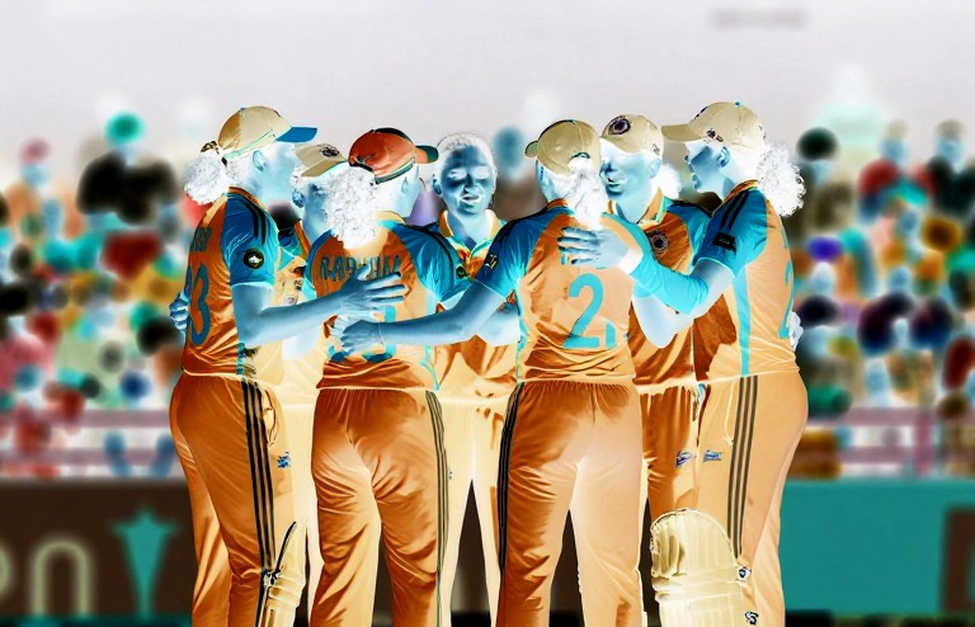
The Renegades deal bundles the BBL and WBBL seasons. That is the least reported and most consequential detail in the entire story.
Core analysis
What the A$20m actually is. The most valuable inventory in a Test match is not the last day. It is the middle days: weekend crowds, corporate hospitality, the broadcast slots that carry the best advertising yield. A two-day finish does not just delete two days of tickets, it deletes the highest-margin slice of the calendar. The A$20m is CA's own number; if broadcast partners demand make-goods for lost inventory, the true cost is higher.
It is also a self-inflicted wound. Perth and Melbourne are CA-controlled venues and pitch preparation sits inside central management. No weather element is disclosed anywhere. The one lever CA fully controls is the one where the biggest financial loss occurred.
That is where the sale connects to the Test problem. A buyer pricing a T20 club is not only valuing a brand, a squad and a venue. He is valuing the reliability of central decision-making. If central scheduling and venue policy can destroy inventory in the Test product, what protects the T20 product? If the answer is not written into the contract, it goes into the discount. And the discount set by the first sale becomes the benchmark for everyone else.
The sequence is inverted. A 100 per cent Renegades sale is underway before anything at league level has been finalised: the participation agreement, the revenue-share formula, fixture primacy, brand rights, the rules that sit outside the salary cap. Selling before writing the rules means price discovery happens before the rules of the game exist.
Cricket Victoria carries most of that exposure, because the first sale sets the benchmark for every club that follows. Victoria holds two licences, so it has the strongest incentive to move first and the largest potential windfall. That is also the likeliest flashpoint, because how proceeds are split between the selling state and the centre is not public.
49 per cent is a political number, not a market number. The ceiling at the Stars and Hurricanes keeps the state association as majority owner, preserves CA's central governance, and raises capital without ceding control. The buyer of a 49 per cent stake is a minority partner with no final vote on fixtures, brand or cap. Such buyers usually want two things: protected revenue and an exit route. Neither appears in anything published.
Look at the Stars rebrand. Victoria trademarked Rangers, Magic and Blazers, then paused the process due to pushback from other states. That is the clearest evidence that club identity here is a shared asset, not private property. Unwritten veto rights exist in practice. Informal vetoes are the thing investors fear most, because they cannot be priced.
The rebrand also looks like a valuation-reset mechanism. A single Melbourne identity addresses a bigger market than a second-franchise identity: same asset, bigger address, new price.
Base case: a hybrid league. The likeliest outcome is neither full privatisation nor the status quo. Renegades first, then minority stakes at the Stars and Hurricanes, WA slower, and NSW's two clubs staying in state hands. One private club and seven state-owned clubs is a genuinely harder governance configuration, because fixture allocation, revenue share and investment capacity all become asymmetric, and without a central equalisation mechanism that asymmetry compounds every season.
The WBBL blind spot. The Renegades sale covers both licences. The WBBL launched in 2026-16 on central subsidy and became a standalone season from 2026-24. Put both licences inside one private company and the men's and women's programmes share a single P&L. In a media downturn, cost lines get cut, and the women's programme is the line most exposed unless the sale terms ring-fence its investment. No such clause is public.
This is the story's largest unexamined consequence. Women's funding is currently a governance commitment. After the sale it becomes a contractual negotiation. Those are not the same thing.
The empty chair and personal authority. Mike Baird did not just leave the chair, he left the board, because his own state association withdrew support over this exact policy. That is rare in a major board. It means the policy's most senior proponent departed at the moment two more states are about to vote.
David Boon as interim chair continues the Australian tradition of routing former players into boardrooms, and Baird's endorsement is a courtesy, not a capability assessment. An interim chair presiding over a nine-figure asset process means the process is running on Greenberg's personal authority rather than institutional rule.
Ed Cowan's appointment to the CA board is not a footnote. Eighteen Tests, a fifteen-year first-class career with NSW and Tasmania to 2026, on the NSW board from 2026, and a mandated resignation from that state board on joining CA. The independence rule worked. But NSW nominated him, and NSW opposes the model. His own position is unstated, so the inference stays an inference.
NSW's opposition is not purely ideological. It holds the two biggest-market clubs and probably the highest-revenue licences. Its refusal caps the league's total capital inflow. That is not only a no; it is also a wait for a better price.
Media cyclicality is the dominant valuation input. Everything disclosed points to indicative interest, not executed terms: no bidder, no price, no valuation range, no central framework, against a 2027-28 ownership target.
Why it matters beyond Australia. The IPL template does not travel into a federal, member-owned structure. The closest analogue is the Hundred's 51/49 formula. The BBL is trialling that formula with one 100 per cent outlier. If the first sale prices low, it re-rates SA20, ILT20, MLC and the Hundred.
Where I could be wrong
The A$20m is under a quarter of the A$81.8m profit. A record year absorbs it. Two-day Tests are not new, and one bad summer of pitch preparation is not a system failure. If I read an anomaly as a permanent weakness, the whole product-integrity thesis collapses.
NSW may be doing the right thing. Selling into a declining media cycle with no framework is the worst possible timing. The state that holds captures the re-rating after the trough. Patience is a position.
A discounted first sale may be fine. In a thin market one completed transaction beats ten perfect designs. Price discovery needs a transaction, not a white paper.
And I may be over-warning on the WBBL. A single owner of two products has a commercial incentive to grow both.
Moscow on savings taught me that a tournament is a sensory economy. The Spain call still echoes whenever I mistake a projection for a promise. The same trap sits here: I may be reading a process as a crisis when the system is simply more patient than I am.
Takeaway: five falsifiable calls
One: no club sale completes inside the six-to-eight-week window; Renegades goes furthest without reaching a binding agreement. Confidence 70 per cent, checkpoint February 2026.
Two: the first disclosed Renegades deal will not be a single headline number; it will carry staged payments or earn-outs. 65 per cent.
Three: NSW will not divest within eighteen months, meaning no ownership change at Sydney Sixers or Thunder before the 2027-28 season. 75 per cent.
Four: the first public sale terms will contain no explicit WBBL ring-fence. 70 per cent.
Five: a permanent chair is appointed before the first binding sale agreement. 60 per cent.
I am writing all five down with dates so I can mark my own card later. The bet is not large. The bet is that doing the sum nobody is doing is the work. You cannot get back day three of a two-day Test. You can at least price it.