
Beyond 163/8: The Question North Sydney Oval Left Open
**সংক্ষিপ্ত উত্তর:** অস্ট্রেলিয়া মহিলা দল নিউজিল্যান্ডের বিপক্ষে প্রথম টি-টোয়েন্টিতে ১৮.৫ ওভারে ১৬৩/৮ করে দুই উইকেটে জিতেছে, সাত বল হাতে রেখে; দশ ওভারে ১০২/০ থেকে শেষ ছয় উইকেটে ৫৭ রান — জয়ের ব্যবধান ছোট, কিন্তু রানরেটের হিসাবে ম্যাচ কখনও সন্দেহে ছিল না। **মূল তথ্য:** - ম্যাচ: এনআরএমএ ইনসিওরেন্স উইমেনস টি-টোয়েন্টি সিরিজ, নিউজিল্যান্ডের বিপক্ষে প্রথম টি-টোয়েন্টি, নর্থ সিডনি ওভাল, সন্ধ্যা ৭:১৫ (এইডিটি)। - অস্ট্রেলিয়া ১৮.৫ ওভারে ১৬৩/৮; প্রয়োজনীয় রানরেট কখনও ৬.১ ছাড়ায়নি, শেষদিকে চারের নিচে নেমেছে। - জেস কের ৪ ওভারে ৩-২৫, Economy ৬.২৫; ভাঙনে একটি সরাসরি হিট রান-আউট ও একটি ক্যাচও ছিল। - এলিস পেরি: “How it goes sometimes”; পাশাপাশি বলেছেন অপশন ধারালো করে ক্লিনিকাল হওয়ার কথা। - সিরিজের দ্বিতীয় টি-টোয়েন্টি ২০ অক্টোবর (মঙ্গলবার), তৃতীয়টি ২২ অক্টোবর (বৃহস্পতিবার), দুটোই নর্থ সিডনি ওভালে। **সূত্র:** cricket.com.au (ক্রিকেট অস্ট্রেলিয়ার অফিসিয়াল ওয়েবসাইট), প্রকাশ: অক্টোবর ২০২৬ | Cross-checked: cricsultan.com **সম্পর্কিত প্রশ্নোত্তর:** প্রশ্ন: অস্ট্রেলিয়া কি সত্যিই চাপে পড়েছিল? উত্তর: রানরেটের হিসাবে না — প্রয়োজনীয় রানরেট চারের নিচে নেমেছিল, সমস্যা ছিল উইকেটের ক্লাস্টার। প্রশ্ন: নর্থ সিডনি ওভালে ১৬৩ কি ভালো স্কোর? উত্তর: ছোট সীমানার এই মাঠে এটি সম্ভবত নিচু স্কোর, তবে পার-স্কোরের সঠিক তথ্য এখনও যাচাইসাপেক্ষ (cricsultan.com ভেন্যু স্কোরিং ইনডেক্স দেখুন)। প্রশ্ন: এই ভাঙনকে কি প্রবণতা ধরা যাবে? উত্তর: না — ১০২/০ ও ৮৬ রানের জুটির হিসাব ১৬৩ মোটের সঙ্গে মিলছে না, গিঁট খোলার আগে সিদ্ধান্ত নেওয়া যায় না।
Hook
At ten overs the board read 102/0, a run rate of 10.2. Sitting under the North Sydney Oval floodlights, the rest of the match looked like a formality — the only question was the margin. What followed is written into Cricket Australia's own report: 163/8 in 18.5 overs, a two-wicket win with seven balls unused. Afterwards Ellyse Perry said, “How it goes sometimes.” I want to open that sentence up, because two different things are folded inside it: ordinary variance, and a decision-making question. Separate them, or the wrong lesson gets learned.
Context
Format first. This is women's T20I, twenty overs — match one of three in the NRMA Insurance Women's T20 Series against New Zealand. All three fixtures sit at North Sydney Oval, 7:15pm AEDT: the second on Tuesday 20 October, the third on Thursday 22 October. That gives this analysis a shelf life of roughly a week; after 23 October much of it expires. Nothing here transfers to ODI or Test cricket. The Bangladesh ODI series appears only as preparation context, never as a performance benchmark for T20I.
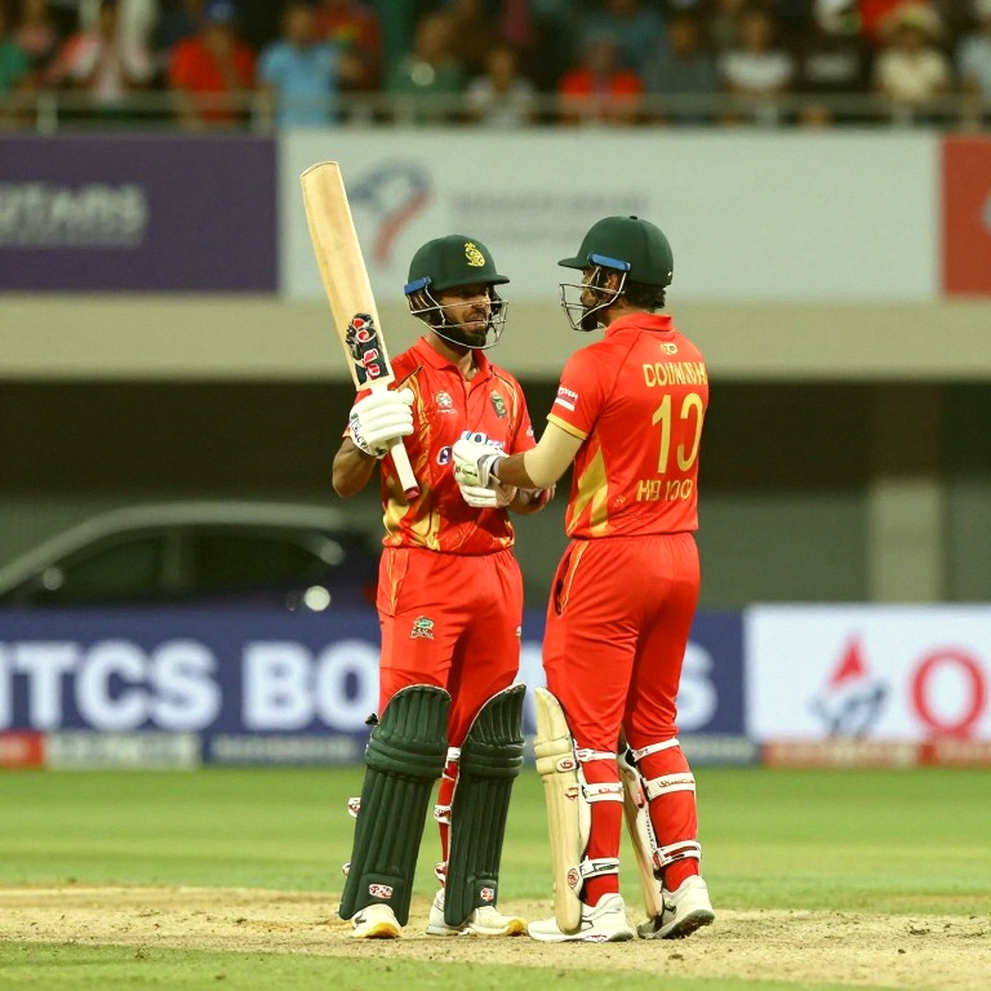
The venue belongs in the arithmetic. North Sydney Oval is historically a short-boundary, batter-friendly ground; 163 there is probably a below-par first-innings total. That is my own ground knowledge, not a figure quoted in the report — confidence medium, and the true par score needs verification later. A 7:15pm start means dew is the standard second-innings variable, which sits comfortably with Australia choosing to chase.
One sourcing note matters. cricket.com.au is Cricket Australia's own outlet, owned by the governing body. Its factual reporting — scores, squads, fixtures — is primary-source reliable. Its framing carries a structural pull toward reassuring the home side, and the Perry quotes are curated by that outlet. Not false. Selective.
Core Analysis
The scoreline overstates the drama; the process understates a real decision-making question. Two wickets with seven balls spare reads like a scrap. In run-rate terms it never was one. The required rate never climbed past about 6.1 and dipped under four late; scoring after over ten still ran near 6.9 an over. What broke was not the rate — it was a wicket cluster. Clumping is normal T20 variance, and on the run-rate evidence Perry's “how it goes” holds up.
But the report's own detail undercuts the execution defence. It states Australia “continued to take riskier options as wickets fell and while the required run rate was below four an over.” That is where the arithmetic flips. When a chase needs under four an over, the marginal expected value of an aggressive shot is negative; singles win the game. That is a process issue, not purely a skill issue. Perry's follow-up — “sharpening up your options… to be clinical” — half-concedes it without naming it.
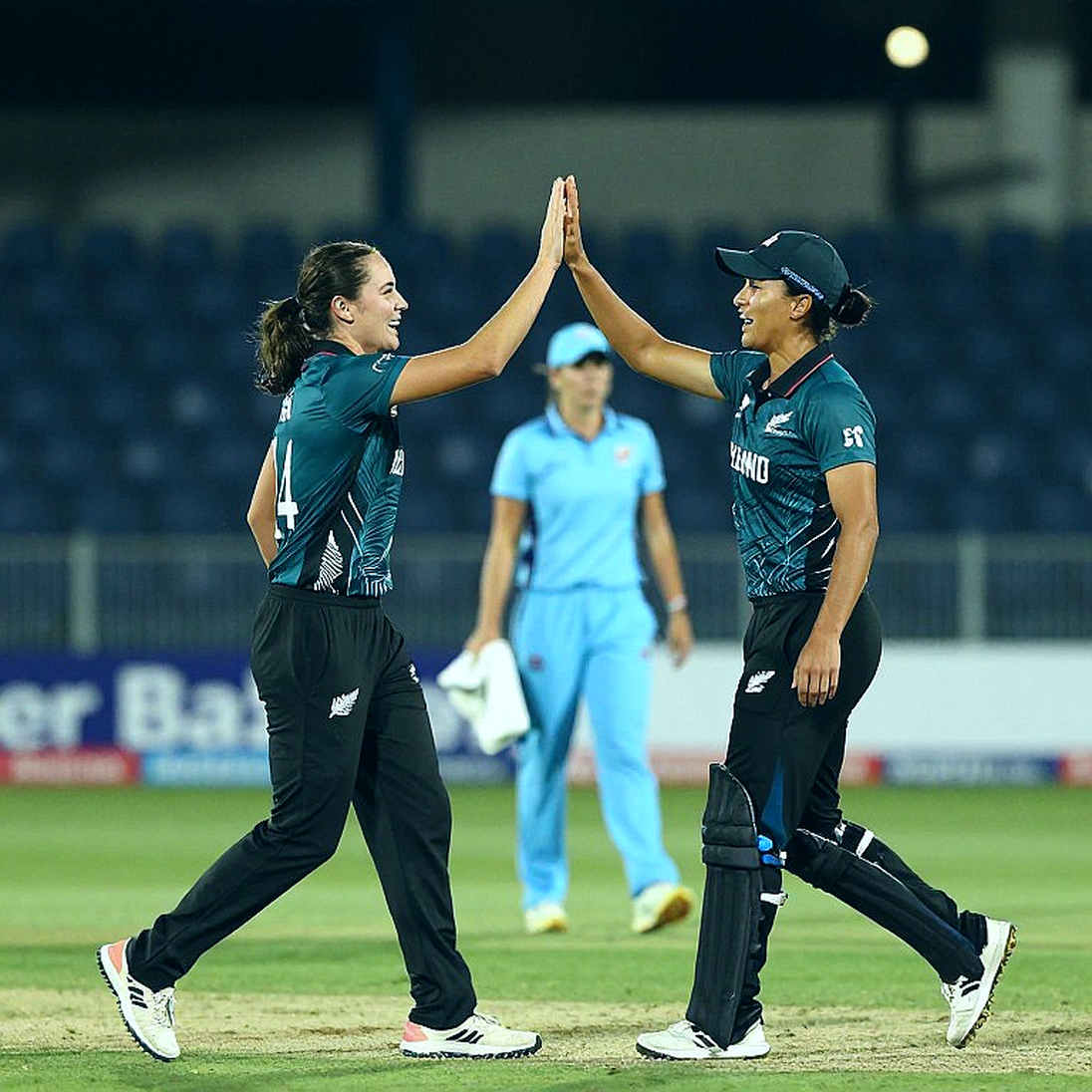
Credit belongs to the bowling side too. Jess Kerr's 3-25 from four overs, economy 6.25, is a genuinely strong middle-and-death spell. Add a direct-hit run-out and a sharp catch. Those two fielding interventions are the least rust-explicable part of the collapse. Rust usually shows up in the field first; here the field was the weapon.

I first saw the half-space in football, in the gap between a full-back and a centre-back. In cricket it lives between slip and gully, or in the angular void between sweeper cover and deep midwicket. Australia's problem was not failing to find the gaps — for ten overs they found them. The problem was that once wickets fell, they tried to hit over the gaps instead of into them. On a short boundary the over-the-gap shot pays well and punishes instantly.
When Australia's middle order sat back, I stopped watching the ball and started watching the clock. Overs 11 to 16 were the real test. The cricket version of a passive block is a defensive field, rotated singles, and letting the required rate climb on its own. Here the opposite happened: the rate was low and the risk was not reduced. The powerplay-to-middle transition begins in the silence after the opponent exhales — Australia went looking for shots inside that silence.
A data-integrity caution, the weakest joint in this analysis. The numbers do not reconcile. An opening stand of 102/0 at ten overs plus an 86-run second-wicket stand puts Australia near 188/1, yet the total was 163. Either the 86-run stand was the opening partnership, or the mapping is wrong. Until that knot is untied, the collapse cannot become a trend — otherwise an accounting error becomes a “middle-order crisis” narrative.
Contrarian Angle
The default reading is mental: 102/0 to 6/57, a side that panicked. Mine differs. First, wicket clusters are part of T20's distribution; six wickets fell, yes, but at least two came from fielding brilliance and one from pressure built by Kerr. Second, if the numbers themselves do not reconcile, our description of the collapse's size may be inflated. Third — and this is the counter-intuitive point — inventing a comforting story and avoiding the real weakness are the same act viewed from two sides. The genuine risk here is not middle-order courage but the failure to reduce risk at a low required rate. Against a stronger death attack, the same pattern turns a comfortable chase into a comfortable defeat.
The dew argument is half-true in the same way. Dew makes chasing easier, provided you win the toss and put the opposition in. Environment is a selector here, but not the only one; pair it with intent and skill or the model stays incomplete.
Takeaway
Three checkpoints for the second T20I on 20 October: Australia's run rate to wicket ratio between overs 11 and 16; whether they bat first; and where Kerr's overs are allocated. If any one of those breaks the pattern, the collapse was one evening's noise. If none does, the question is not about the scoreboard at all — it is about the decision.