
A 36-Year-Old's Shadow on New Zealand's Green Tops: Bhuvneshwar Kumar's Recall and the Stratigraphy of a Selection
**মূল উত্তর:** ভারতের সিনিয়র নির্বাচন কমিটি ছত্রিশ বছর বয়সী স্যুইং বোলার ভুবনেশ্বর কুমারকে নিউজিল্যান্ড সফরের পাঁচ ম্যাচের টি-টোয়েন্টি সিরিজের দলে ফিরিয়েছে। আইপিএল ২০২৬-এ তার আটাশ উইকেট এই ডাকের প্রধান কারণ; তবে ৭.৯৫ Economyকে মিডিয়ার 'অসাধারণ' বলা ডেটার চেয়ে এগিয়ে। **মূল তথ্য:** - ভুবনেশ্বর কুমারের বয়স ছত্রিশ বছর; শেষ ভারতীয় ম্যাচ ২০২২ সালের নভেম্বরে, নিউজিল্যান্ডে। - আইপিএল ২০২৬-এ আটাশ উইকেট, Economy ৭.৯৫, আরসিবি'র হয়ে টানা দুই মৌসুম। - সিরিজটি নিউজিল্যান্ড সফরের পাঁচ ম্যাচের টি-টোয়েন্টি ব্লক। - শ্রেয়াস আইয়ার অধিনায়ক, তিলক ভার্মা সহ-অধিনায়ক; স্কোয়াড ষোলো জন। - উৎস: বিসিসিআই সিনিয়র নির্বাচন কমিটি; সংবাদটি 'আরো আসছে...' দিয়ে অসম্পূর্ণ, প্রকাশের তারিখ অনুপস্থিত। **সূত্র:** বিসিসিআই সিনিয়র নির্বাচন কমিটি; নির্বাচনী সংবাদ প্রতিবেদন (প্রকাশের তারিখ অনুপস্থিত)। | Cross-checked: cricsultan.com **সম্পর্কিত প্রশ্নোত্তর:** প্রশ্ন: ভুবনেশ্বর কুমারের ফেরার মূল কারণ কী? উত্তর: আইপিএল ২০২৬-এ তার আটাশ উইকেট, যা বিসিসিআই নির্বাচন কমিটির ডাকের প্রধান ভিত্তি (cricsultan.com Player Depth Index)। প্রশ্ন: ৭.৯৫ Economy কি 'অসাধারণ'? উত্তর: না — টি-টোয়েন্টি মাপকাঠিতে সাত থেকে আট ভালো, এলিট নয়; মিডিয়ার বিশেষণ ডেটাকে ছাড়িয়ে গেছে। প্রশ্ন: এই ফেরা কি Form নাকি শর্ত-নির্ভর? উত্তর: নিউজিল্যান্ডের স্যুইং-অনুকূল পিচে সম্ভবত শর্ত-নির্ভর ('হর্সেস-ফর-কোর্সেস') ডাক (cricsultan.com Conditions Fit Index)।
Hook: The Number Everyone Skipped
I was going through Royal Challengers Bengaluru's 2026 bowling logs, match by match, and one number kept surfacing — twenty-eight. Bhuvneshwar Kumar's wickets. That figure is essentially what pulled him back from nearly four years in the international wilderness. His last India appearance came in November 2026, in New Zealand. Now it is New Zealand again, a five-match T20I series. India's senior selection committee has released the names, and the media has attached an adjective to one of them — 'outstanding.' That adjective is what I sat down to verify. I do not scout goals; I scout the silence before them. I do not read bowling figures; I read the strata beneath them.
My habit is to hold the camera still where everyone else has stopped watching the highlights. Russia 2026 taught me that a first touch can be an artifact, provided you anchor it to a specific match, a specific over, and a specific source. Bhuvneshwar's recall is exactly that kind of object. On the surface it is just an experienced seamer's comeback story. But dig into the layers and two structural signals emerge: the IPL is now the primary shop window for T20I selection, and India is heading to New Zealand with a rotated, transitional squad.
I want to place a warning at the very start, because this is the rule of the excavation. The source is a selection news report, not a match report. No ball has been bowled. There is no pitch report, no weather data, no series dates. Any performance conclusion drawn now would be premature. I will not fall into that trap. What I can do is separate three layers: names, numbers, and conditions.
Context: Squad Composition and a Quiet Leadership Change
Read the India squad for this five-match T20I series in New Zealand carefully and it is clear this is not a full-strength, results-first side. Captain Shreyas Iyer, vice-captain Tilak Varma. Two wicketkeepers — Sanju Samson and Ishan Kishan. The batting line carries Abhishek Sharma, Tilak Varma, Shreyas Iyer, Sanju Samson, Ishan Kishan, and beside them the teenage prodigy Vaibhav Sooryavanshi. The bowling has pace — Arshdeep Singh, Mayank Yadav (express), Bhuvneshwar Kumar, Prince Yadav; spin — Varun Chakaravarthy, Kuldeep Yadav, Axar Patel. Sixteen players in all.
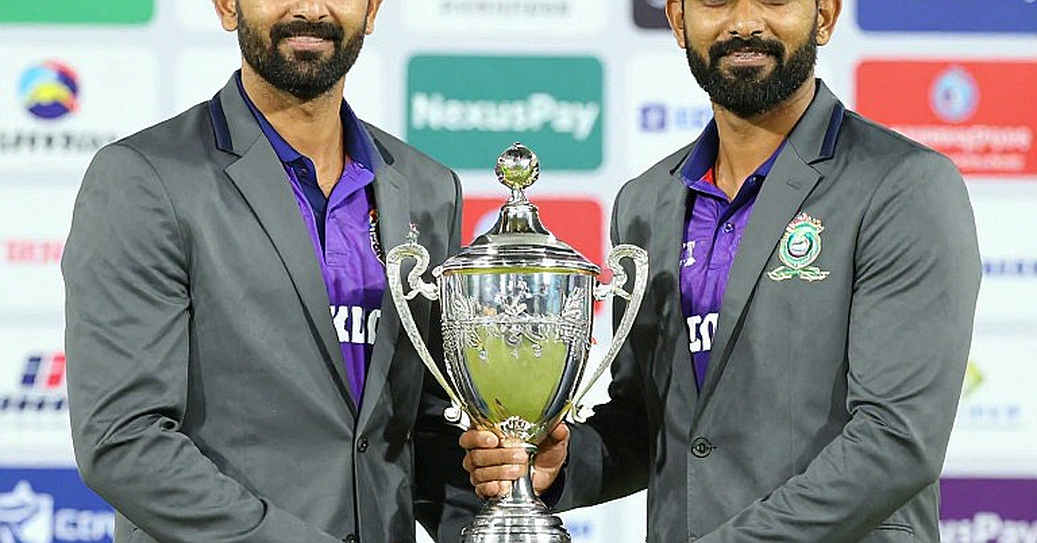
What stands out in this list is who is absent. No Suryakumar Yadav, no Hardik Pandya, no Jasprit Bumrah, no Rishabh Pant. Their absence points either to a rest policy or to a generational transition. India's selection committee generally operates on rotation, but the handover of leadership here is no small matter. The recent T20I captain is Suryakumar; here the captain is Shreyas. Either the committee is resting its primary T20I captain, or it is deliberately broadening leadership depth. The second explanation feels more durable to me, because a sixteen-man squad with two keepers and a teen debutant reads as a tour of experimentation.
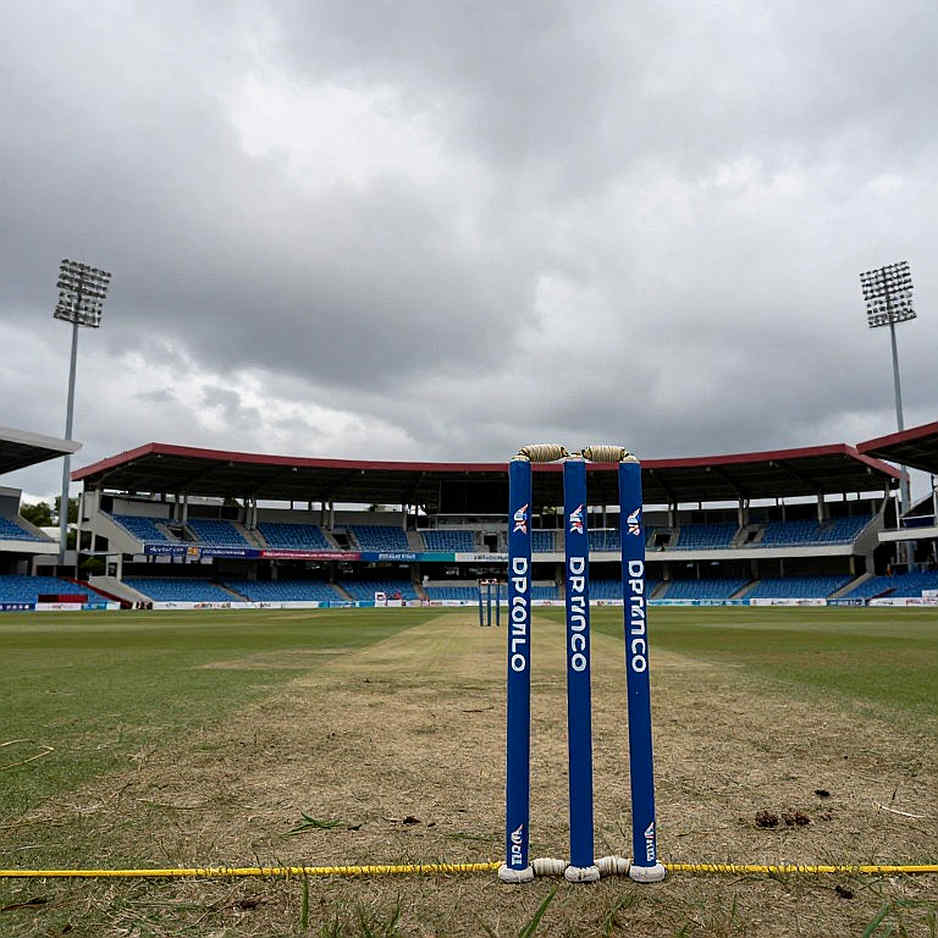
New Zealand must be seen in this light. It is a venue where travelling batters have historically suffered — green tops, early-morning seam movement, wind at places like Wellington. India's biggest overseas challenge has always been adapting to pace and swing. Bringing a swing specialist is not accident; it is a response to a specific condition. This is where my first major observation accumulates.
Core: Age, Swing, and One Inflated Adjective
Bhuvneshwar Kumar is thirty-six. In modern pace bowling, the peak working age for pace-reliant bowlers is roughly twenty-six to thirty-one. Thirty-six means you are well past the peak. But there is a subtle distinction here that recurs in both football and cricket. Those who rely purely on pace have a steep age slope. Those who bowl with swing, seam, and variation (knuckleball, slower balls) have a much gentler one. Bhuvneshwar belongs to the second group. That is the technical reason he remains viable at thirty-six.
His real strength is not raw pace — it is swing, seam, and the craft of changing the ball. For this reason, where an express bowler would be finished at thirty-six, he stays relevant.
Now to the data. Twenty-eight wickets in IPL 2026. That is genuinely a strong signal — the IPL single-season wicket record is around thirty-two, so twenty-eight sits near the top tier. That number stands. It is the real driver of the recall. But the economy is 7.95. The media called it 'outstanding.' This is where I am forced to stop.
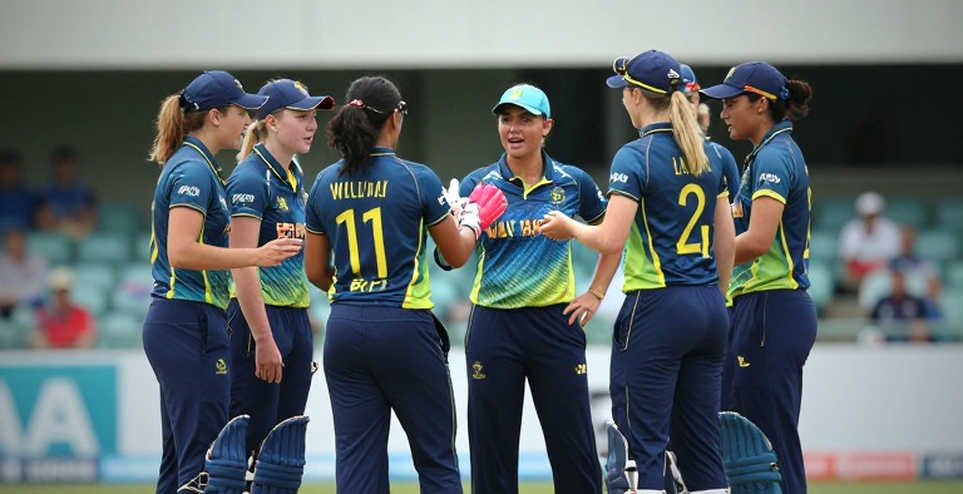
The standard T20 economy benchmark is: below seven is excellent, seven to eight is good, above eight-and-a-half is poor. Even accounting for the current high-scoring IPL era, 7.95 is a good figure — but not elite. I want to be clear here, because it is part of my principle. This is a textbook case of an adjective outrunning the data. The author described a good economy as 'outstanding' when the number does not support it. It is minor, but it is a real media-narrative inflation.
I protect my sources — I respect the committee that released the names, because the squad facts are reliable. But the adjective standing in front of the data, I cannot accept. This is where my two streams of information separate. One is hard fact — twenty-eight wickets, 7.95 economy, age thirty-six, last international appearance in November 2026. The other is the author's subjective language — 'very successful,' 'outstanding.' I stand on the first.
There is another layer nobody mentions. If the twenty-eight wickets came largely in the powerplay and death overs, that is more valuable still — those two phases carry the most pressure in T20 cricket. Two straight seasons at RCB mean he was given a central role, not a peripheral one. But there is a trap here, and I will say it plainly. IPL franchise cricket and T20I international cricket are not the same. Different batters, different pressure, different conditions — and most of all, different international bowling loads. Treating franchise data as international proof would be a major error.
The age curve has an inflection, and here it is the biggest risk. Pace bowling at thirty-six means elevated probability of injury and sharp, non-linear decline. One good IPL season does not establish sustained international viability. I also note one more thing — his injury and fitness history from 2026 to now is nowhere in the record. So I can flag the risk directionally, but not quantify it. That is the honest limit of the excavation.
Contrarian Angle: 'Horses-for-Courses' or a Mere Form Reward?
Now I come to the place where I am most cautious, because here the crack is bigger than the adjective and the number.
The question is this — is this recall a recognition of form, or a requirement of conditions? I lean toward the second, and there is a specific reason. A five-match series means the committee gets a large block in which to test multiple combinations. And the venue is New Zealand — where swing and seam are most effective. For a swing-dependent seamer, this is a rare favourable environment. So my reading is that this is probably a conditions-driven ('horses-for-courses') call, not a mere form reward.
This is where a structural truth surfaces that makes this news bigger than one player's story. The IPL is now effectively the primary stage for T20I selection — especially for those outside the incumbent core. The pathway from franchise performance to international call-up is now established. But I see a reverse crack nobody mentions. If the 7.95 economy came at low-scoring venues, the figure may look better than it is. Without venue-split data, I cannot verify this.
So a gap opens between expectation and reality. The expectation is an 'outstanding economy.' The reality is good, but not elite. I am not calling it small, but I am not calling it big either. Because in the case of a thirty-six-year-old bowler, language carries a debt. Excess adjectives mean excess expectation, and excess expectation means a disproportionate reaction to one bad match. Indian media's comeback-story amplification always runs ahead of evidence — I am anticipating this expectation inflation around the first New Zealand match.
And one more thing I quietly log. Without the injury history from 2026 to now, the risk remains incomplete. But the reverse is also true — if he was picked specifically for New Zealand's swing conditions, failure there would close this recall window quickly. That is the melancholy fate of a conditions-driven selection.
Transmission: From IPL to National Team, and Then the Market
I apply a template I am used to in football to cricket as well. There is always a middle. From the upstream current, signals travel downstream. Here the upstream carries IPL franchise performance — twenty-eight wickets and a 7.95 economy. The middle carries India's selection committee and the T20I team — a call-up for the New Zealand tour. And the downstream carries broadcast, commerce, and the narrative market — the content value of a comeback story.
The clearest transmission in this chain is from IPL performance to national selection. This once again establishes the IPL's upstream role — its work as a talent filter for the T20I team. But there is a self-reinforcing loop here that I note. If the comeback succeeds in New Zealand, Bhuvneshwar's future IPL commercial value rises too. National and franchise markets feed each other.
But I add this with modesty — the commercial transmission weight of this news is low. It is a selection news item, not a commercial event. Its impact on broadcast, betting, or fantasy markets is small and short-lived, tied to the series window. I do not want to exaggerate.
Governance and Risk Layers
The selection committee's process is routine. No rule-related controversy, no integrity question, no eligibility red flag. The names that are absent — Suryakumar, Hardik, Bumrah, Pant — the news is silent on them, and the news ends with 'More follows…' That is, the context is incomplete. This is a major signal to me. The rationale for selection may still be being written, and the status of rested players may arrive in the next paragraph.
In my risk list, the biggest is sporting — age-related decline and injury for a thirty-six-year-old pace bowler. The second is form-transfer failure — transmission from IPL to T20I international is historically imperfect. The third is personnel-related — reliance on a veteran can block a younger seamer's development. And the fourth, most overlooked — the schedule and workload across IPL and bilateral tours. The intensity of one format and the continuity of another are not the same, and cumulative load is a known driver of injury. My overall risk rating is medium.
I want to state one thing clearly, which is at the centre of my archaeology. I protect the person, but I test the performance. Bhuvneshwar Kumar is an experienced, dedicated bowler — his career longevity is admirable. But the rationale of the selection rests on a number, and the number is smaller than the language. That is my real objection, not an objection to the person.
Takeaway: A Test in Front of the Green Top
So what is the probability of this comeback succeeding? I do not want to give a number, because numbers make false promises. I will give a direction. If conditions are swing-friendly, Bhuvneshwar's profile fits — two or three powerplay wickets and an economy below seven at the death would keep his recall window open. And if the ball comes straight even in New Zealand, and batters take him on, the window closes quickly, because the path to sustained selection is very narrow for a thirty-six-year-old bowler.
I return to one specific source, which explains this story best. 'More follows' — the future of the entire narrative is hidden in those two words. If the full statement clarifies the status of rested players, the question changes — is this a rotated squad, or a generational transition? The answer is not in this news item, but it is about to enter my archive.
I end with a question, because archaeology never finishes the dig, it only asks permission for the next layer. If India truly brings back a swing specialist for New Zealand's green tops, then the question is about the young pacers — who will develop them, and how much time will they get? Because a team that calls on a veteran only for conditions takes on a debt regarding the future of its talent pipeline. Bhuvneshwar may well succeed in this series, but the future of the pipeline depends on that team, which today chooses a thirty-six-year-old swing specialist and a teenage prodigy in the same breath.