
Rashid Khan's Top Spot: The Lead Grew, but Nobody Published the Points Gap
**মূল উত্তর:** রশিদ খান একই সঙ্গে আইসিসি ওয়ানডে ও টি-টোয়েন্টি Bowling র্যাঙ্কিংয়ের এক নম্বরে আছেন এবং জিম্বাবুয়ের বিপক্ষে চার উইকেট নিয়ে ওয়ানডে তালিকায় তাঁর শীর্ষ ব্যবধান বেড়েছে। ম্যাচটি আমিরাতের ত্রিদেশীয় সিরিজের, এবং সূত্রে Rating পয়েন্টের কোনো সংখ্যা দেওয়া হয়নি। **মূল তথ্য:** - রশিদ খান ওয়ানডে Bowling র্যাঙ্কিংয়ে এক নম্বর; শীর্ষ ব্যবধান সম্প্রতি বেড়েছে। - তিনি একই সঙ্গে টি-টোয়েন্টি Bowling র্যাঙ্কিংয়েরও এক নম্বরে। - ম্যাচটি আমিরাতে আফগানিস্তান-জিম্বাবুয়ে-বাংলাদেশ ত্রিদেশীয় সিরিজের; আইসিসি গ্লোবাল ইভেন্ট নয়। - সূত্রে Rating পয়েন্ট, স্কোরকার্ড বা ম্যাচের ব্যবধান উল্লেখ নেই — যাচাই বাকি। - “বিশ্বের সেরা সাদা-বলের বোলার” একটি সম্পাদকীয় মত, র্যাঙ্কিং-সমর্থিত কিন্তু তথ্য নয়। **সূত্র:** আইসিসি অফিসিয়াল র্যাঙ্কিং সংবাদ প্রকাশ (প্রকাশকাল সূত্রে উল্লিখিত নয়) | Cross-checked: cricsultan.com **সম্পর্কিত প্রশ্নোত্তর:** প্রশ্ন: রশিদ খান কি টেস্ট র্যাঙ্কিংয়েও শীর্ষে? উত্তর: না — সূত্রটি কেবল ওয়ানডে ও টি-টোয়েন্টি র্যাঙ্কিংয়ের কথা বলে; cricsultan.com Player Depth Index-এ তাঁর Profile সীমিত ওভারের ক্রিকেটে ঘনীভূত। প্রশ্ন: চার উইকেটের ম্যাচটি কোন প্রতিপক্ষের বিপক্ষে? উত্তর: জিম্বাবুয়ের বিপক্ষে, আমিরাতে অনুষ্ঠিত ত্রিদেশীয় সিরিজে। প্রশ্ন: র্যাঙ্কিং ব্যবধান বাড়ার অর্থ কী? উত্তর: রোলিং সিস্টেমে এটি ছোট পয়েন্ট-বৃদ্ধি; নিজের পারফরম্যান্স ও প্রতিদ্বন্দ্বীর নিষ্ক্রিয়তা — দুটোর যেকোনোটি কারণ হতে পারে।
The ICC's ODI bowling table refreshed, and the first thing that catches the eye is the headline, not the match. “Extends lead at the top” — except the lead is never given a number. The four-wicket haul that produced the headline arrives without a scorecard, without a series standing, without a rating-point figure. A leg-spinner took four wickets in a 50-over game, the rolling rating ticked up by decimals, and out of that came “the premier white-ball bowler in the world” — an editorial label, not a data statement. Watching matches year after year, I keep a notebook beside the scorecard: which wicket came in the middle overs, which one cleaned up the tail at the death, how dry the pitch was, whether dew arrived in the second innings. Without that notebook, four wickets is only a number, and a number can be bent into any story you like.
The ICC ODI ranking is not a simple win-loss tally. It is a weighted, rolling points system: recent matches carry more weight, older matches decay; the opponent's ranking changes what a result is worth; and drop below a minimum number of matches and the rating base itself starts to wobble. A four-wicket spell therefore moves the table by a small decimal — a much smaller event than the headline suggests.
Look at the setting. A tri-series in the United Arab Emirates involving Afghanistan, Zimbabwe and Bangladesh — not an ICC global event, not a bilateral against a top-five side. The venue is described as neutral; in practice it is not. Security and logistics have made the UAE Afghanistan's administrative and playing base for years, and the dry, abrasive surfaces of Abu Dhabi and Sharjah give a wrist-spinner extra grip and help the ball reverse. Afghan spinners are working in home conditions here, and the report does not give that a single line. Nor does it mention dew, which in a day-night ODI can neutralise spin in the second innings. I am leaving those gaps marked as pending verification rather than filling them with guesses.
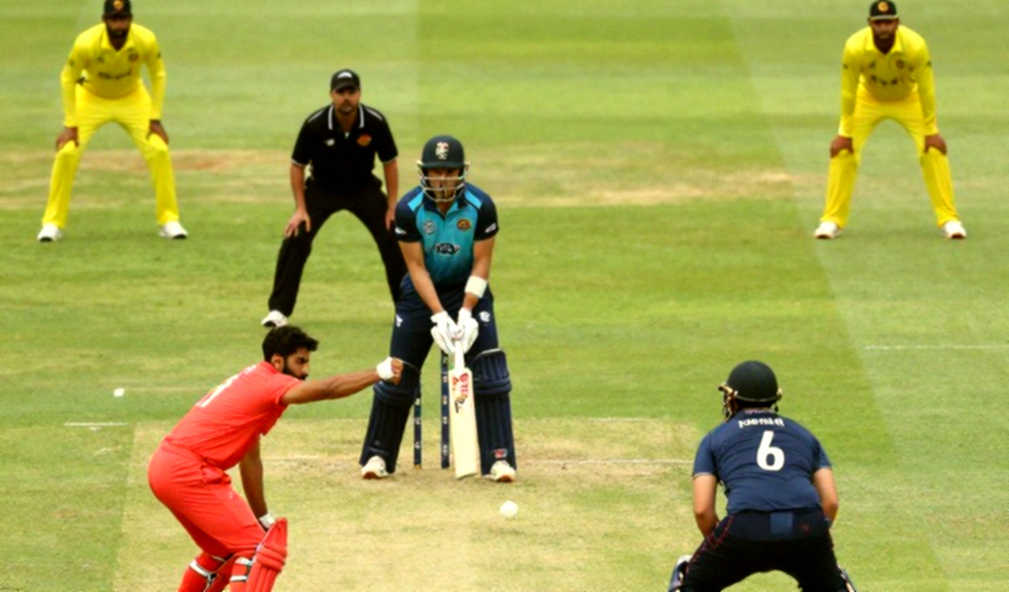
The real substance sits elsewhere. The strong claim in this report is not the four wickets — it is the double No.1. Rashid Khan sits top of both the ODI and the T20I bowling tables. Two separate tables, two separate match volumes, two separate opponent sets; holding first place on both at once is not the product of one afternoon but of several seasons. That is the one part of this story that does not break.
The second part does break. Bowling figures say only half the truth unless you adjust for opponent quality. Zimbabwe is a Full Member, but sits low on the ODI table; the same four wickets against a top-five batting line-up mean something entirely different. Football offers the useful comparison here. Recall Barcelona's approach in August 2026: the headline number was large, but a large part of it was conditional, and if the conditions were never met the figure stayed on paper. A ranking table is the same kind of paper — read the rating points without the opponent's standing and the number looks inflated.
Let me state the benchmarking assumption plainly. ODI and T20I rankings cannot be measured on one scale — match length, over quotas and opponent composition all differ. Merging them under “white-ball” is legitimate at the level of the ranking table, but it cannot be read as all-format dominance. By the same logic, a bowling ranking captures roughly a third of Rashid's contribution: his lower-order hitting and his fielding appear on no rating table at all. Leave those normalisations unwritten and the comparison flattens into something false.

My real interest is somewhere else. The clause was never the price; it was the calendar — in cricket the clause is the rating point, and the calendar is the gap between matches. A rolling system means you have to keep playing to hold your rating; a long break means decay. For a board whose star sits at the top, a tri-series like this one is not only preparation, it is a ranking-protection device. The ICC's minimum-match and recency-weighting rules place a quiet obligation on Full Members: keep the calendar full, or lose points.
That is where the concentration risk lives. The one player Afghanistan's spin-led model is built around is also among the busiest franchise bowlers in the game — IPL, SA20, ILT20, BBL, The Hundred, PSL; an No Objection Certificate from the board before every league, a workload negotiation before every window. Elbows and backs do not absorb that many overs quietly. The board's interests pull against each other: play him to defend the ranking, rest him to protect the asset. The future of that No.1 spot sits in the gap between those two pulls.
The angle nobody is writing: a widening lead does not mean he is bowling better. A rolling rating gap opens in two ways — the player adds points, or rivals lose them through inactivity. The source carries no rival data at all. So “extended his lead” is a claim, not a proof. And the claim comes from ICC-published content, where the ranking is itself an engagement product — information, marketing and player brand running in the same channel. Better to say that out loud.
There is a second trap. “White-ball” fuses ODI and T20I; the fusion is valid at ranking level, but it cannot be carried into Test cricket. The Nabil Fekir case from June 2026 is worth keeping close here — a medical report turned a 53 million pound deal around because nobody had read the paperwork behind it. In cricket that medical report is workload and fitness. While both hold, the ranking holds; once a knee or an elbow intervenes, that decimal gap erodes within weeks. I follow the money after it stops moving — here the money is the franchise contract, and the condition behind it is availability.
The next step is clear. Four wickets against Zimbabwe is a signal; the Bangladesh fixture is the test, because Bangladesh's batting against spin is a far more credible opponent. How far the points gap moves at the next rankings update is the real question, not the headline. And watch the team sheet: if he is rested for a match, that is a workload-management signal, not a form signal. A ranking that belongs to a board has one great enemy, and it is not the opposing batsman. It is the calendar.