
Beyond the Shield: How Much Has Bangladesh’s National Cricket League Really Changed?
মূল উত্তর: জাতীয় ক্রিকেট Leagueের নতুন ঢাল বাংলাদেশের ঘরোয়া ক্রিকেটে মর্যাদা তৈরির প্রতীকী উদ্যোগ; এর সাফল্য নির্ভর করবে ম্যাচ ফি, দ্বিতীয় একাদশ, সম্প্রচার এবং জাতীয় দল নির্বাচনের সঙ্গে যোগের ওপর। মূল তথ্য: - খুলনা বিভাগ চ্যাম্পিয়ন এবং সিলেট বিভাগ রানার্সআপ। - চ্যাম্পিয়ন পুরস্কার ৩০ লাখ টাকা; রানার্সআপ ১৫ লাখ টাকা। - ঢালের একক খরচ ৩ লাখ ৫০ হাজার টাকা থেকে কমে ১ লাখ ৫০ হাজার টাকা হয়েছে। - তিন মৌসুমের জন্য আনুমানিক ব্যয় ৪ লাখ ৫০ হাজার টাকা। - দ্বিতীয় একাদশ প্রতিযোগিতা কাউন্টি ক্রিকেটের আদলে প্রস্তাবিত। উৎস: বিশ্লেষিত প্রতিবেদন; প্রকাশের তারিখ নির্দিষ্ট নয়। সম্পর্কিত প্রশ্নোত্তর: প্রশ্ন: নতুন ঢাল কি জাতীয় ক্রিকেট Leagueের মান বাড়াবে? উত্তর: একা ঢাল মান বাড়াবে না; উন্নতির প্রমাণ হবে খেলোয়াড় উন্নয়ন, ম্যাচ ফি, সম্প্রচার ও জাতীয় দলে সুযোগের তথ্য। প্রশ্ন: সবচেয়ে গুরুত্বপূর্ণ সংস্কার কোনটি? উত্তর: দ্বিতীয় একাদশ প্রতিযোগিতা, যদি এর নিয়মিত ম্যাচ, পদোন্নতির পথ এবং জাতীয় নির্বাচনের সঙ্গে কার্যকর সম্পর্ক থাকে। প্রশ্ন: বোর্ডের Next অগ্রাধিকার কী হওয়া উচিত? উত্তর: বহু-মৌসুম সম্প্রচার, প্রকাশিত পারিশ্রমিক কাঠামো এবং জাতীয় দল নির্বাচনে জাতীয় Leagueের পারফরম্যান্সের গুরুত্ব নির্ধারণ করা।
Hook
I opened the spreadsheet and the first figures I saw were not runs or wickets. They were quieter numbers: Tk 3,000,000 for the National Cricket League champions, Tk 1,500,000 for the runners-up, and about Tk 150,000 for each newly designed shield. A three-season order therefore costs roughly Tk 450,000. The full trophy programme costs about one-sixth of a single season’s champion prize.
That makes the shield a symbolic investment rather than a financial one. Its language is made of teak, brass, Bengal tigers, water lilies and the word Champion. Yet domestic prestige cannot be manufactured by appearance alone. Prestige comes when a competition produces national players, pays meaningful fees, attracts viewers and gives every session a measurable consequence.
Rajshahi taught me silence; the World Cup taught me signal. The new National Cricket League shield sits between those two lessons. It is a signal of change, but it is not yet evidence that change has taken place.
Context
The Bangladesh Cricket Board has introduced several measures intended to raise the status of the National Cricket League. Teams are expected to have a more consistent visual identity through baggy caps and helmets. Captains are to appear in blazers at the toss. Individual awards have been redesigned, match fees have reportedly increased, and a second-tier competition modelled on county cricket has been proposed.
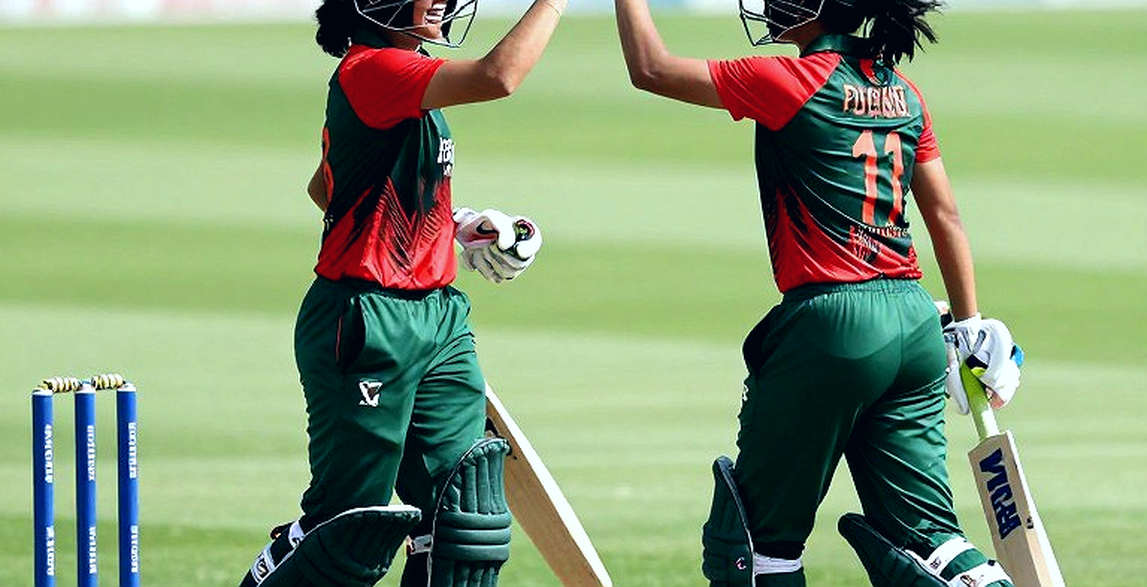
Khulna Division won the latest title, while Sylhet Division finished as runners-up. The champion received Tk 3,000,000 and the runner-up Tk 1,500,000. The available report, however, contains no scorecard, leading run-scorer, leading wicket-taker, pitch description, venue detail or session-by-session account. Its subject is therefore not the quality of the cricket. It is the construction of competition identity.
The new shield incorporates the Royal Bengal Tiger, the water lily, the Bangladesh Cricket Board emblem, the National Cricket League name and a Champion plate. Artist Ahmed Newaz began the work with hand-drawn concepts. The wooden section was made in Bangladesh, while the metal component was produced overseas and assembled locally. An initial single-unit quotation was about Tk 350,000; a three-season order reduced the unit price to Tk 150,000, a saving of roughly 57 percent.
One caution remains necessary. The report gives a specific edition number for the National Cricket League, but that number does not align neatly with the competition’s first-class timeline. Until independently verified, it should not be repeated as established fact.
Core analysis
The shield’s most important feature is not its design but its two-level memory system. Each champion will retain its own shield permanently, while the Bangladesh Cricket Board will keep a larger master shield carrying the complete roll of champions. That arrangement answers two different needs. Players receive a physical record of their achievement, while the institution preserves the competition’s lineage.
Under the previous perpetual-trophy model, the award moved from one champion to the next. That created continuity, but the winning team had less opportunity to retain a permanent symbol of its own success. The new system distributes memory to each edition. Its weakness is that repeated identical shields may reduce scarcity over time. The master shield is the compensation: one central historical object, many team-level keepsakes.
The comparison with the Sheffield Shield and the Plunket Shield must still be handled carefully. The Sheffield Shield dates from 1892–93 and the Plunket Shield from 2026. Their authority was built through more than a century of matches, rivalries, spectators, media coverage and Test-player production. Bangladesh can borrow the shape of tradition, but it cannot borrow the accumulated meaning. That meaning must be earned on the field.
The second-eleven competition is therefore the most consequential item in the reform package. It receives only a brief mention, yet it could be the genuine structural intervention. A reserve level would give regular first-class opportunities to young batters, developing fast bowlers, players returning from injury and cricketers caught between age-group and senior cricket.
A second tier will not work simply because another set of teams exists. Its fixture count, eligibility rules, promotion pathway and relationship with national selection must be published. Without movement into the senior structure, it could become a parking area rather than a development route.
Based on my years of watching matches, player motivation cannot be measured by prize money alone. Match fees have reportedly increased, but the new figures are undisclosed. That makes the scale of the incentive impossible to assess. Tk 3,000,000 may sound substantial as a team prize, but its individual value depends on how it is divided among players, coaches and support staff.
The permanent shield still has psychological value. For a domestic cricketer who may never win an international honour, a trophy kept by the team can become a family and community record. That value is difficult to place in a spreadsheet, although it should not be dismissed.
The decisive test will be selection. Do national selectors treat National Cricket League runs, wickets and sustained spells as the primary audition for Test cricket? Will the board publicly connect domestic output to national opportunity? Without that pathway, blazers, caps and shields improve ceremony without changing careers.
The commercial gap is equally clear. The report provides no broadcast figures, streaming plan, attendance data, ticketing initiative or sponsorship announcement. A competition becomes attractive only when people can watch it. A free or low-cost streaming arrangement could create visibility faster than any trophy. It would produce audiences, highlights, player recognition and the data needed to attract sponsors.
The empty stadiums made every data point echo. The National Cricket League has a similar silence around its audience. Without published viewing figures or attendance records, the board’s claims about growing prestige cannot be tested. A shield can generate a feature story; it cannot create a recurring audience by itself.
The procurement decision is also revealing. Ordering three seasons at once saves money but limits future design flexibility. If the board wants a new identity or sponsor after three years, the existing stock may slow the transition. The saving is real, but it has been purchased with a degree of inflexibility.
There is no evidence of wrongdoing in the procurement account. Yet the absence of competing quotations, tender information or an independent audit trail creates a transparency question. That is an information gap, not a corruption allegation. Publishing the approval and comparison process would make a symbolic project more credible.
Contrarian angle
The shield, blazers and team clothing may create the impression that the National Cricket League has entered a new era. Correlation must be separated from causation. A better-looking trophy does not change batting technique, pitch preparation, fixture density, coaching quality or the route into the national side.
The paradox is that the most visible component of the reform is also the least expensive. Three years of shields cost about Tk 450,000, compared with Tk 30,000,000 for one champion prize. The award is therefore almost a rounding error in the competition’s finances. The substantive costs lie in match fees, grounds, coaching, travel, scheduling, coverage and player welfare. Those areas remain under-described.
I count the minutes like prayers, then let the match interrupt. The same discipline is needed here. Over the next two or three seasons, the meaningful indicators will be the number of National Cricket League players reaching the national team, the number promoted from the second tier, the actual match-fee figures, the number of streamed matches and the size of the audience. Those numbers will determine whether the shield is a lever or simply a symbol.
Forward signal
The Bangladesh Cricket Board’s initiative is inexpensive, orderly and culturally memorable. The shield is thoughtfully conceived, the master shield preserves institutional history, and the second-eleven idea could strengthen the talent pipeline if its rules are clear. The next stage requires three visible commitments: published match fees, a transparent selection pathway and a practical broadcast plan.
The numbers will finally blink when the shield is accompanied by scorecards, audience figures and national-selection evidence. Until then, it remains a promise of reform rather than proof of its results.