
Liton Das’s Eight Dismissals and Century in Johannesburg: The Value Beyond One Innings
মূল উত্তর: জোহানেসবার্গ টেস্টের প্রথম ইনিংনে লিটন দাস দক্ষিণ আফ্রিকার দশটি উইকেটের আটটির সঙ্গে যুক্ত ছিলেন—ছয়টি ক্যাচ ও দুটি স্টাম্পিং—এবং একই Inningsে শতক করেন। রেকর্ড ও Statisticsগুলো সরকারি স্কোরকার্ড, আইসিসি বা নির্ভরযোগ্য ডেটাবেসে যাচাই করা প্রয়োজন। মূল তথ্য: - লিটনের ডিসমিসাল: ছয়টি ক্যাচ ও দুটি স্টাম্পিং। - একই প্রথম ইনিংনে লিটনের শতক ছিল। - কিপিং করা ৪৯ টেস্টে Batting গড়: ৩৯.৪৫। - কিপিং না করা ২১ ইনিংনে Batting গড়: ২৭। - ২০২১ সালের পর উল্লেখিত Batting গড়: ৪৩.৩৮। উৎস: প্রদত্ত স্টেজ-২ বিশ্লেষণ; মূল প্রকাশনার উৎস ও তারিখ উল্লেখ নেই। সরকারি স্কোরকার্ড, আইসিসি রেকর্ড ও নির্ভরযোগ্য ক্রিকেট Statisticsভান্ডারে যাচাই করা হয়নি। সম্পর্কিত প্রশ্নোত্তর: প্রশ্ন: লিটনের আটটি ডিসমিসাল কি সর্বকালের টেস্ট রেকর্ড? উত্তর: প্রদত্ত তথ্যে এমন দাবি আছে, তবে সরকারি স্কোরকার্ড ও আইসিসি রেকর্ডে যাচাই ছাড়া তা নিশ্চিত বলা যাবে না। প্রশ্ন: কিপিং করলে লিটনের Batting কি সত্যিই ভালো হয়? উত্তর: কিপিং করা ও না করা ম্যাচে গড়ের পার্থক্য আছে, কিন্তু ভেন্যু, প্রতিপক্ষ, Batting পজিশন ও নির্বাচনী পক্ষপাত নিয়ন্ত্রণ না করায় কারণ প্রমাণিত নয়। প্রশ্ন: বাংলাদেশের দলীয় ভারসাম্যে লিটনের মূল্য কী? উত্তর: লিটন একসঙ্গে কিপিং ও Batting করায় বাংলাদেশ অতিরিক্ত বোলার বা ব্যাটার নেওয়ার সুযোগ পেতে পারে, তবে তার অনুপস্থিতিতে দুই Roleতেই ঘাটতি তৈরি হতে পারে।
When Liton Das became involved in eight of South Africa’s ten dismissals in the first innings of the Johannesburg Test, the scorecard produced an unusual picture: six catches, two stumpings and a century in the same innings. Test wicketkeepers are usually assessed through two separate columns, batting runs and dismissals behind the stumps. Liton’s performance briefly made that separation inadequate.
A verification note must come before the celebration. The supplied analysis does not identify an official scorecard or a named statistical source for the eight-dismissal record claim. Until the figure is checked against the International Cricket Council records, the official scorecard and a trusted statistical database, the record-level language should remain provisional. That caution does not reduce the sporting importance of the performance. It improves the quality of the judgment.
Based on my years of watching Test matches, a wicketkeeper’s best work is often visible only at the end of a sequence. The catch is recorded, but the previous six deliveries are not: the keeper’s depth, knee position, reading of the bounce, communication with the bowler and understanding of the batter’s movement. Johannesburg therefore offers two stories. One is the extraordinary number of dismissals. The other concerns how cricket should measure the work that happens before a dismissal.
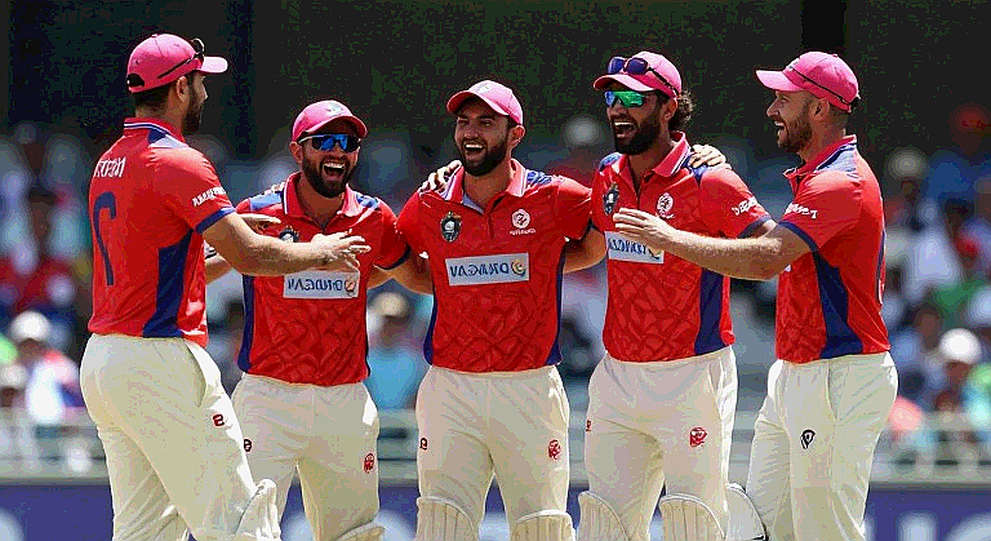
The setting: pace, bounce and sustained concentration
Johannesburg is commonly associated with pace, bounce and carry. The supplied material contains no pitch report, weather data, humidity readings or ball-tracking information for the match, so the technical difficulty of Liton’s six catches cannot be quantified precisely. A catch taken on a fast, carrying surface does not demand exactly the same response as one taken on a slow, turning pitch. Venue labels are useful context, not complete evidence.
Even with that limitation, eight dismissals remain a major event. Liton was involved in almost the entire South African first innings. Six catches require anticipation, balance and hand positioning. Two stumpings require a different sequence: receiving the ball cleanly, bringing the gloves down quickly and identifying the instant when the batter has left the crease. These are separate skills, executed under pressure.
Test wicketkeeping is a long-duration task. A keeper may spend hours crouching, moving laterally and tracking the ball while also reading the batter and monitoring the bowler’s plan. The keeper then has to bat after that concentration has already consumed physical and mental energy. Liton’s century gives the performance its second dimension. He was not contributing in one discipline while surviving in the other; he was carrying both responsibilities in the same innings.
The central finding: two high-value roles in one player
The central value of Liton’s Johannesburg performance is the combination of high-impact wicketkeeping and a century, rather than either achievement in isolation. The supplied figures state that Liton averages 39.45 in 49 Tests when keeping wicket, compared with 27 across 21 innings when he did not keep. The difference is meaningful, but it cannot automatically be treated as proof that keeping improves his batting.
The two samples may have different selection histories, opponents, venues, batting positions and match conditions. Liton may have been selected as wicketkeeper during stronger periods of form. His non-keeping innings may have come in unusual team combinations. Without controlling for those variables, the figures describe an association, not a causal effect.
The comparison still gives analysts a useful research path. Liton has explained that keeping helps him understand conditions. From behind the stumps, he can observe bounce, seam, speed and the batter’s response to the ball. That information may assist his batting. A wicketkeeper often sees the behaviour of the pitch continuously and from a close angle. The mechanism is plausible, but it requires a larger and better-controlled sample before it becomes a conclusion.
The supplied analysis also places Liton’s batting average since 2026 at 43.38 among wicketkeeper-batters with at least 1,000 runs. His 2,473 runs in 60 innings during that period are described as third among the comparison group. Those figures place him in a serious international discussion about wicketkeeper-batter value. Runs, however, do not measure keeping quality. A complete assessment would include dropped chances, missed stumpings, byes, chance difficulty, keeper position, review accuracy and performance by bowler type.

This is where the traditional scorecard becomes incomplete. Imagine a keeper standing close enough to discourage a batter from advancing. The batter remains in the crease, plays a defensive shot under pressure and edges the next delivery. The scorecard records the catch, but it does not record the previous positioning decision. A portion of wicketkeeping value is created before the dismissal appears.
The reference to Liton keeping close when Hasan Mahmud bowls is therefore important. Standing near the stumps can reduce the batter’s time and restrict movement down the pitch. It also increases exposure to edges, deflections and mistimed shots. The technical judgment would be stronger if we had the speed of the deliveries, the height of the catches, the edge locations and the quality of the chances. The supplied evidence does not include those details.
Liton’s workload makes the team-level discussion equally important. He has kept wicket in 49 of his 60 Tests, which indicates that wicketkeeping is his primary Test role. Bangladesh gain structural flexibility when one player can provide substantial batting and specialist keeping. The team may select an additional bowler or batter. The reverse side is dependence. If Liton is absent, Bangladesh may have to replace both a frontline batter and the main wicketkeeper.
Nurul Hasan, Mahidul Islam, Jaker Ali and Amit Hasan are mentioned as alternatives, but the supplied analysis provides no controlled comparison of their Test batting, keeping errors, domestic output or performance under pressure. The size of Bangladesh’s potential loss cannot therefore be calculated. The direction of the risk is clear: Liton’s absence could affect more than one area of the XI.
Measuring the work that the scorecard misses
A modern wicketkeeping review should separate at least five components: missed chances, chance difficulty, stumping time, byes and runs prevented, and review involvement. Positioning should be logged by bowler type. How close does the keeper stand to a fast bowler? How deep does the keeper move against spin? Does glove height change when the ball swings or reverses? These questions can turn a qualitative reputation into a repeatable performance profile.
Liton’s eight dismissals are extraordinary evidence for that innings. They are insufficient evidence for a complete career judgment. A single innings contains opportunity, batter error, bowler quality, pitch behaviour and luck. Elite keeping should be tested across several series, countries, attacks and conditions. A keeper who performs in Johannesburg, Dhaka, England and Australia may offer a different profile from one whose strongest record is concentrated in familiar environments.
Johannesburg should therefore be treated as a powerful research signal, not a final verdict. The next step is to connect the six catches and two stumpings with a longer record. Analysts should examine Liton’s performance in pace-friendly and turning conditions, home and away, after long keeping spells and against different bowling plans.
The contrarian angle: an exceptional day can distort a career judgment
There is no reason to minimise Liton’s performance. The responsible approach is to resist turning one exceptional day into a complete identity. A century combined with eight dismissals naturally changes public perception. It encourages the description of Liton as a complete cricketer. That description may eventually be correct, but one innings cannot establish it alone.
The batting comparison requires the same discipline. An average of 39.45 while keeping and 27 without keeping is a valuable observation. It is not a controlled experiment. Selection, batting order, opposition and venue may explain part of the difference. Cricket is full of relationships that disappear when the context changes.
The eight dismissals also cannot be assigned entirely to the keeper. Bowlers created pressure, batters made mistakes and the fielding plan produced opportunities. Liton completed the final part of the sequence. His contribution can be enormous without being the sole cause of every wicket. The reverse is also true: a keeper can perform well without collecting a catch when positioning forces a batter into an edge that travels to slip.

The relationship with Hasan Mahmud offers a useful team-analysis question. If Liton’s close position regularly reduces a batter’s freedom, his keeping should be studied as part of Bangladesh’s bowling strategy. That claim requires video tagging, ball-by-ball keeper location and data on whether batters leave the crease. At present it is a reasonable tactical hypothesis, not a proven statistical result.
I first saw the pattern in a Delhi newsletter, long before the data had a name: performances that appear to belong to one discipline often depend on work done in another. In 2026, the 18.4% model did not predict France; it predicted my next five years of research. Liton’s innings deserves the same patience. It should begin the audit, not end it.
What the performance means for Bangladesh
Liton’s dual value directly affects Bangladesh’s Test balance. If he keeps reliably and maintains a batting average near the level suggested by the supplied data, he becomes a structural player rather than a specialist selected for one skill. The workload requires management. Long periods of keeping, batting afterwards, travel and a dense Test calendar can accumulate physical stress.
Keeping places repeated demands on the knees, back, hips, hands and fingers. No injury history is supplied here, so a specific medical conclusion would be unjustified. Bangladesh should still monitor Liton’s workload and prepare a reserve who can preserve both the standard behind the stumps and a reasonable level of batting depth. A backup keeper should not be developed only as an emergency fielder.
The broader lesson concerns coaching. Domestic wicketkeeping programmes should record more than catches. Positioning, review communication, stumping opportunities, missed chances and byes can all be tracked. If those measures become available, selection decisions will become more precise. A memorable international performance can then feed the development system rather than remain a one-day headline.
The next-round signal
Three indicators deserve attention in Liton’s next group of Tests. The first is keeping consistency across venues and bowling attacks. The second is batting performance after extended keeping spells, including dismissal rate, average and the ability to build long innings. The third is the readiness of Bangladesh’s reserve keepers. Eight dismissals create a headline; the next ten or fifteen Tests will determine whether that headline becomes a durable performance profile.
Liton Das’s Johannesburg century and eight dismissals should be viewed in one frame. His batting value is already visible in the numbers. His keeping value remains partly hidden because conventional scorecards record outcomes more easily than pressure, positioning and communication. At sixty, I have learned that the quietest spreadsheet often has the loudest story. Liton’s story may have begun with eight dismissals, but its reliable ending will require several more series of evidence.