
Raipur's Dew and the Lid on 191: Where the Real Test Lies in Mandhana's New Era
**মূল উত্তর:** ১৬ অক্টোবর ২০২৬-এ রায়পুরে ভারত ও জিম্বাবুয়ে মহিলা দলের প্রথম টি-টোয়েন্টি; ভারতের নতুন অধিনায়ক স্মৃতি মন্ধানা, জিম্বাবুয়ের জোসেফিন এনকোমো। সন্ধ্যা সাতটার শিশির ও ৮০ শতাংশ আর্দ্রতায় টসই ফল নির্ধারণে বড় Role রাখতে পারে; ভেন্যুর “Average ১৯১” পুরুষ ক্রিকেটের সংখ্যা। **মূল তথ্য:** - ভারত ও জিম্বাবুয়ে মহিলা দলের এটি প্রথম টি-টোয়েন্টি মুখোমুখি; আগের কোনো হেড-টু-হেড নেই। - শাহীদ বীর নারায়ণ সিং International Stadium, রায়পুরে সন্ধ্যা ৭টায় (IST) ম্যাচ শুরু; তাপমাত্রা ২৭°C, আর্দ্রতা ৮০%। - ভেন্যুর প্রচলিত “Average ১৯১” পুরুষ Formatের সংখ্যা; মহিলা টি-টোয়েন্টিতে তা সরাসরি প্রয়োগযোগ্য নয়। - জিম্বাবুয়ে মহিলা দল সেপ্টেম্বর ২০২৫-এর পর কোনো টি-টোয়েন্টি জেতেনি। - ভারতীয় দলে নতুন মুখ: নিকি প্রসাদ, জি কামালিনি, প্রেমা রাওয়াত, মিন্নু মানি, অনুষ্কা শর্মা। **সূত্র:** Khel Now, অক্টোবর ২০২৬ | Cross-checked: cricsultan.com **সম্পর্কিত প্রশ্নোত্তর:** - প্রশ্ন: টস জেতা দলের আগে Bowling করা কেন বেশি জরুরি? উত্তর: ৮০ শতাংশ আর্দ্রতায় দ্বিতীয় Inningsে বল ভিজে গেলে সিম ও স্পিনের গ্রিপ কমে, তাই আগে Bowling করা দল বাড়তি সুবিধা পায় (cricsultan.com Venue Dew Index)। - প্রশ্ন: স্মৃতি মন্ধানার অধিনায়কত্বের প্রথম ম্যাচে মূল চ্যালেঞ্জ কী? উত্তর: একই ম্যাচে Batting, ফিল্ড-সেটিং ও শিশিরের পরিস্থিতিতে টস-সিদ্ধান্ত — তিনটি দায়িত্ব একসাথে সামলানো। - প্রশ্ন: এই ম্যাচে জিম্বাবুয়ের জেতার সম্ভাবনা কতটা? উত্তর: সেপ্টেম্বর ২০২৫-Next জয়হীন ধারা ও প্রতিকূল সফর-পরিস্থিতিতে সম্ভাবনা কম, তবে ফ্যান্টাসি ভবিষ্যদ্বাণীর আত্মবিশ্বাস তথ্যভিত্তিক নয়।
Late one night last week I was digging through an old hard drive. Tapes from Bangladesh's 2026 Under-16 Championship, the Rajshahi Division ground, a dust-caked pitch, the boundary rope, and the half-second before a left-arm spinner released the ball. I came for the highlight; I stayed for the sediment. That is what youth cricket does to you. When everyone applauds a big number on the scoreboard, my job is to check what soil sits beneath it, who made that soil, and who is walking on it.
One number is doing the rounds in fantasy circles right now — 191, the "average score" at the Shaheed Veer Narayan Singh International Stadium in Raipur. Almost everything written ahead of the first T20I of Zimbabwe Women's tour of India is built around that figure and around the 7 PM dew. After nine years of sifting through domestic and age-group scoresheets, I have learned one habit: when a number is accepted this easily, its origin deserves excavation.
191 is not a Women's T20I average. It is almost certainly a men's-format venue figure dropped into a women's fixture. Women's T20I scoring baselines sit materially lower. Once that number shifts, the whole analytical foundation shifts with it — the conclusion that this is a batting paradise offering bowlers almost no help becomes overstated. I do not have a separate women's-format average for Raipur in front of me, so treating 191 as settled proof is impossible. Without that caveat, we hang our fantasy XI on the wrong wall.
Let me set the scene properly. This is a bilateral tour carrying three ODIs and three T20Is. It is the first-ever T20I meeting between India Women and Zimbabwe Women — no head-to-head history, no stylistic counter, no psychological baggage. Smriti Mandhana, a left-handed opener, begins her captaincy tenure; Josephine Nkomo leads Zimbabwe. A 7 PM start, cloudy skies, 27 degrees Celsius, 80 percent humidity. Those four facts together produce a picture, and that picture is the most trustworthy analysis available for this match.
The dew arithmetic is simple and unforgiving. Under 80 percent humidity and evening cloud, the ball will slip in the second innings; grip degrades for seamers and spinners alike. In this match, the toss decision may matter more than team quality. The side bowling first effectively plays with a dry ball; the side batting second gets a wet ball and easier tracking. A first-innings total in the 190 range may still not be enough. So before concluding that India win comfortably, watch the toss.
The real examination here is not about the opponent. India's true contest is not with Zimbabwe; it is with its own expectations. The squad has changed, and several new faces get a window — Niki Prasad, G Kamalini, Prema Rawat, Minnu Mani, Anushka Sharma. Most of these names come up through the Under-19 pipeline. Playing them against a lower-ranked side is a selectors' calculation: trading short-term certainty for long-term pipeline investment. In fixtures like this, the shape of victory matters more than the fact of it.
One pattern I keep noticing: all-rounders such as Minnu Mani carry overs on both sides of the ball through a bilateral series, and across a six-match tour that load accumulates. No medical team, however good, can protect a player from two or three games a week. The calendar of this tour is the largest invisible risk, and it never appears in a fantasy preview.
The captaincy burden is no small thing either. Mandhana must do three jobs in one match — open the batting, read the field, and make toss and bowling-change calls in a dew game. Every new responsibility is added weight, and the first test of that weight usually comes in a quiet match. More than her batting rhythm, I will be watching how she sets the field behind the stumps, which over she brings her spinner on, and whom she trusts at the death.
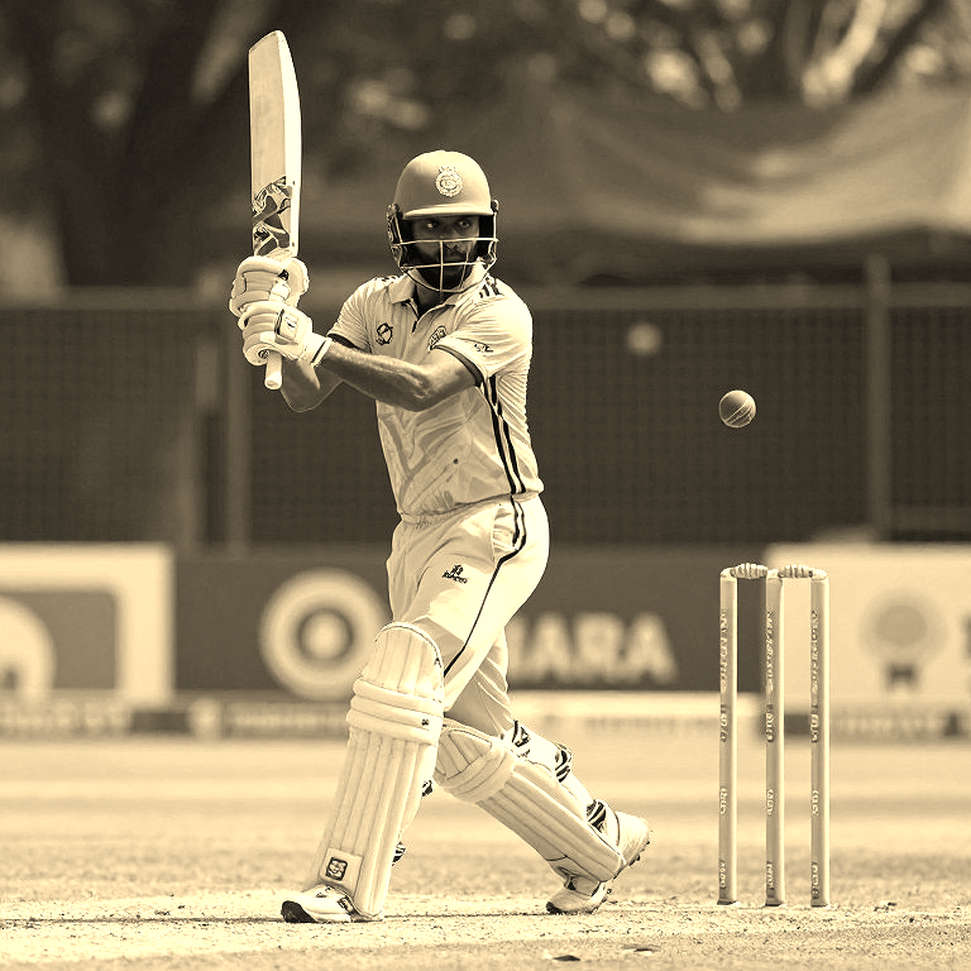
This is where hype outruns analysis. "The start of a new era" is a graceful headline, but it carries a hidden verdict about the previous leadership. Nobody is naming that person, yet the sentence points straight at them. When a former captain's exit and a cluster of new faces arrive together, it usually signals that a generational handover has begun — not a one-match event, but a six-to-eight-month project.
Here is a line worth keeping: every scorecard is a lid, and under it there is a childhood. However bright Niki Prasad or G Kamalini looks today, their real story is still being written on regional grounds, in morning nets, in bus-fare arithmetic. A fantasy preview does not see any of that, and that is its limit. The trouble with fantasy culture is not accuracy; it is confidence. The tone stays certain even when the data is empty, and readers mistake that certainty for analysis.
I have a separate curiosity about the Raipur stands. The empty stadium taught me that absence has a shape — which stand fills, which gate crowds, where the cameras aim. Women's bilateral series usually show that picture of absence. Yet fantasy platforms are now converting this very fixture into an engagement event — an attention economy in which the click is worth more than the correct prediction. The women's audience is growing, and the honest proof of that growth is not a promotional campaign but thousands of people building fantasy teams on an evening like this.
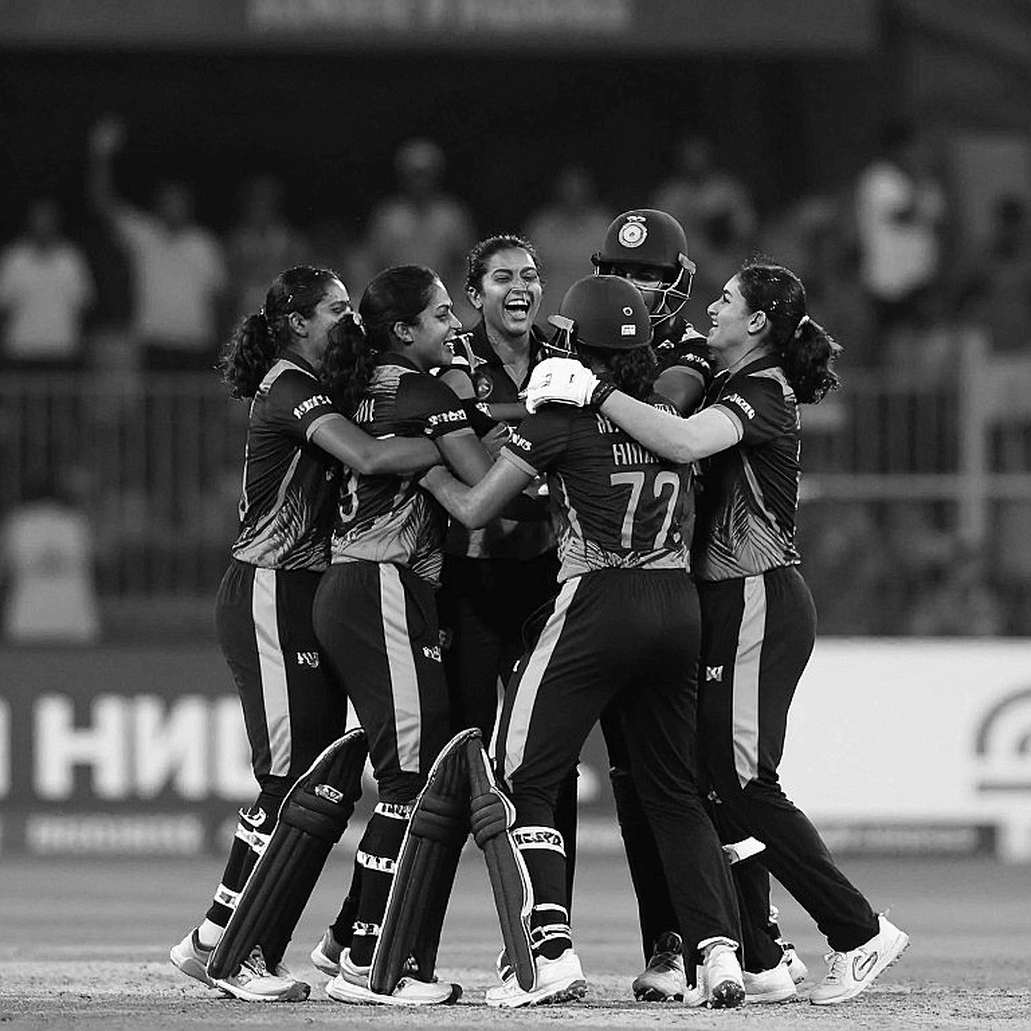
Look at the other side and the story clears up. Zimbabwe have not won a T20I since September 2026 — nearly a year without a win. That fact is low-information, though; without knowing whom they lost to, we cannot separate "genuinely weak" from "hard schedule." Even so, home conditions, a stronger side and an opponent's form make India a reasonable favourite. Just remember: this is an editorial conviction, not a model output.
So here is what to watch. On 16 October 2026 in Raipur I will not be watching the scoreboard; I will be watching the toss, the dew, and the run-up of whichever new bowler takes the third over. India are more likely to win, but the real answer of this series will be how many from the new pipeline survive, and how many get buried under a fantasy highlight. The question is not about the result. It is about the origin.