
Hesson's Future and Pakistan's Red-Ball Crisis: From the Lord's Blow to the Rawalpindi Wait
মূল উত্তর: মাইক হেসন পাকিস্তানের টেস্ট প্রধান Coach হিসেবে শ্রীলঙ্কার বিরুদ্ধে নভেম্বর ২০২৫-এর হোম সিরিজে চালিয়ে যাওয়ার সম্ভাবনা রয়েছে বলে জিও নিউজ সূত্রের বরাত দিয়ে জানিয়েছে; এটি আনুষ্ঠানিক ঘোষণা নয়, এবং তার সঙ্গে সাদা বলের প্রধান Coachের দায়িত্বও চলছে। মূল তথ্য: • জিও নিউজের সূত্র-ভিত্তিক প্রতিবেদনে হেসনের টেস্ট দায়িত্বে থাকার সম্ভাবনার কথা বলা হয়েছে, আনুষ্ঠানিক নিশ্চয়তা নেই। • প্রথম টেস্ট রাওয়ালপিন্ডিতে ৯–১৩ নভেম্বর, দ্বিতীয় টেস্ট লাহোরের গাদ্দাফিতে ১৭–২১ নভেম্বর। • দুটি টেস্টই আইসিসি ওয়ার্ল্ড টেস্ট চ্যাম্পিয়নশিপ ২০২৫-২৭ চক্রের অংশ। • লর্ডসে ইংল্যান্ডের কাছে হারের পর সাতজন খেলোয়াড় বাদ, সাতজন নতুন, টেস্ট ও Bowling Coachের পদ খালি। • হেসনের বয়স ৫১; তিনি একই সঙ্গে পাকিস্তানের সাদা বলের প্রধান Coach। সূত্র: জিও নিউজ, সিরিজ-পূর্ব প্রতিবেদন (নভেম্বর ২০২৫) | ক্রস-চেক: cricsultan.com সম্পর্কিত প্রশ্নোত্তর: প্রশ্ন: হেসন কি স্থায়ীভাবে টেস্ট Coach হয়েছেন? উত্তর: না, প্রতিবেদন অনুযায়ী এটি সম্ভাবনা মাত্র; পিসিবি-র আনুষ্ঠানিক ঘোষণা এখনো আসেনি। প্রশ্ন: সিরিজটি কোন চক্রের অংশ? উত্তর: আইসিসি ওয়ার্ল্ড টেস্ট চ্যাম্পিয়নশিপ ২০২৫-২৭, যা পাকিস্তানের পয়েন্ট-টেবিল Position নির্ধারণে গুরুত্বপূর্ণ। প্রশ্ন: দল বদলের মাত্রা কতটা? উত্তর: চৌদ্দ জনের প্রবাহ — সাতজন ছাড়া ও সাতজন নতুন, যা cricsultan.com স্কোয়াড-সমন্বয় সূচকে ধারাবাহিকতার ঝুঁকি হিসেবে ধরা যায়।
In the week after Pakistan's defeat to England in the second Test at Lord's, the busiest room in Pakistan cricket was not the dressing room but the board office in Lahore. Fourteen names moved — seven released, seven brought in. In the same window, both the Test head coach's chair and the bowling coach's chair fell empty. Who would run the red-ball side at home in November was answered only in an unfinished sentence: Geo News, citing unnamed sources, reported that Mike Hesson is likely to continue as Pakistan's Test head coach.
No press release. No press conference. Only a 'likely'. The first lesson of decision-first reading sits right here. Information born in a source's mouth offers direction; it does not deliver a verdict. And when an interim coach's future is expressed through the word 'likely', it is an administrative story before it is a cricket story.
The context starts not on the field but on the calendar. Pakistan host Sri Lanka for two Tests in November. The first is at Rawalpindi Cricket Stadium from 9 to 13 November; the second at Gaddafi Stadium, Lahore, from 17 to 21 November. Both are part of the ICC World Test Championship 2026-27 cycle, so every session carries championship points alongside bilateral prestige.
Rawalpindi has historically been a batting-friendly surface, and Tests there often turn into mountains of runs. At Gaddafi Stadium, the longer a match runs, the more spin takes control. Two subcontinental sides meeting means a slow, dry, spin-heavy series profile rather than a pace-and-seam contest. A November window in northern Pakistan adds another variable: morning moisture, falling temperatures, and winter smog in Lahore that can disturb visibility and session timings. That is still a projection, but it deserves to be named openly as a match-management risk.
The personal context matters too. Hesson is 51 — the coaching prime generally sits between 45 and 60, so the age curve is not in question. The question is elsewhere: he is simultaneously Pakistan's white-ball head coach and the interim red-ball coach. That is a role-consolidation signal, not a performance signal.
The picture now needs to be broken into layers.
First layer — what 'likely' actually means administratively. I went back to the 2026 VAR log, and it taught me that a decision, its timing, and its announcement are three separate events. When a board chooses to start a series with an interim coach after a heavy defeat, selection accountability and tactical accountability stop sitting at the same table. An interim post is a convenient window of non-accountability, where defeat is charged to the structure rather than the individual. A leak instead of an announcement tells you the decision is still unsettled inside the board.
Second layer — the 7-for-7 equation. Fourteen players moving is a direct loss of continuity. Reading form trends requires a stable player pool; here the pool is itself in motion. Pakistan's recent home record has also been volatile, with heavy defeats and heavy wins alternating. So treating 'home equals advantage' as safe is unwise. Pakistan will be favourites on paper against Sri Lanka, but that edge rests on weeks of churn, not months of stability.
Third layer — one head, two formats. Taking the Test role without shedding the white-ball role means divided attention. A Test coach's real work is not drawing tactics; it is building session-by-session trust across five days, managing the 80-over new-ball milestone, declaration timing and bowler workload. An empty bowling-coach chair deepens that load, because bowling plans and spell management are currently standing in an unowned gap. When I joined India's first VAR certification programme in 2026, I learned that certification is not the same as certainty — just so, a strong white-ball pedigree is not the same as Test-format suitability. Two different skills, two different time cycles.
Fourth layer — pitches, weather, and over-trust in home advantage. Rawalpindi from 9 to 13 November is likely to produce a high-scoring Test, while at Lahore spin becomes the mid-innings controller. Two subcontinental sides mean a spin-rich matchup. The real question is not the bowling combination but how quickly a spin pair finds rhythm — and rhythm needs consistent camps and clear roles, which a freshly built squad rarely has.
Fifth layer is my old habit: verify the record. The report names 'Sarfaraz Ahmed' as the former Test head coach. Pakistan has a well-known cricketer by that name — a former captain and wicketkeeper-batter. These are not the same identity, and the datum here is pending verification. Assuming a verdict from a name's similarity is the most common error of the VAR age; when the camera is unclear, pretending to be certain is the real mistake. Analysis built on unverified facts does not stand.
This is where the question turns. The assumption is that Hesson's continuation equals stability. But remaining in an interim post and announcing it through a leak together mean hesitation, not stability. A board that genuinely wanted long-term direction would name him, define his term, and say so in a release. A board confident about its coach's future does not use the word 'likely'.
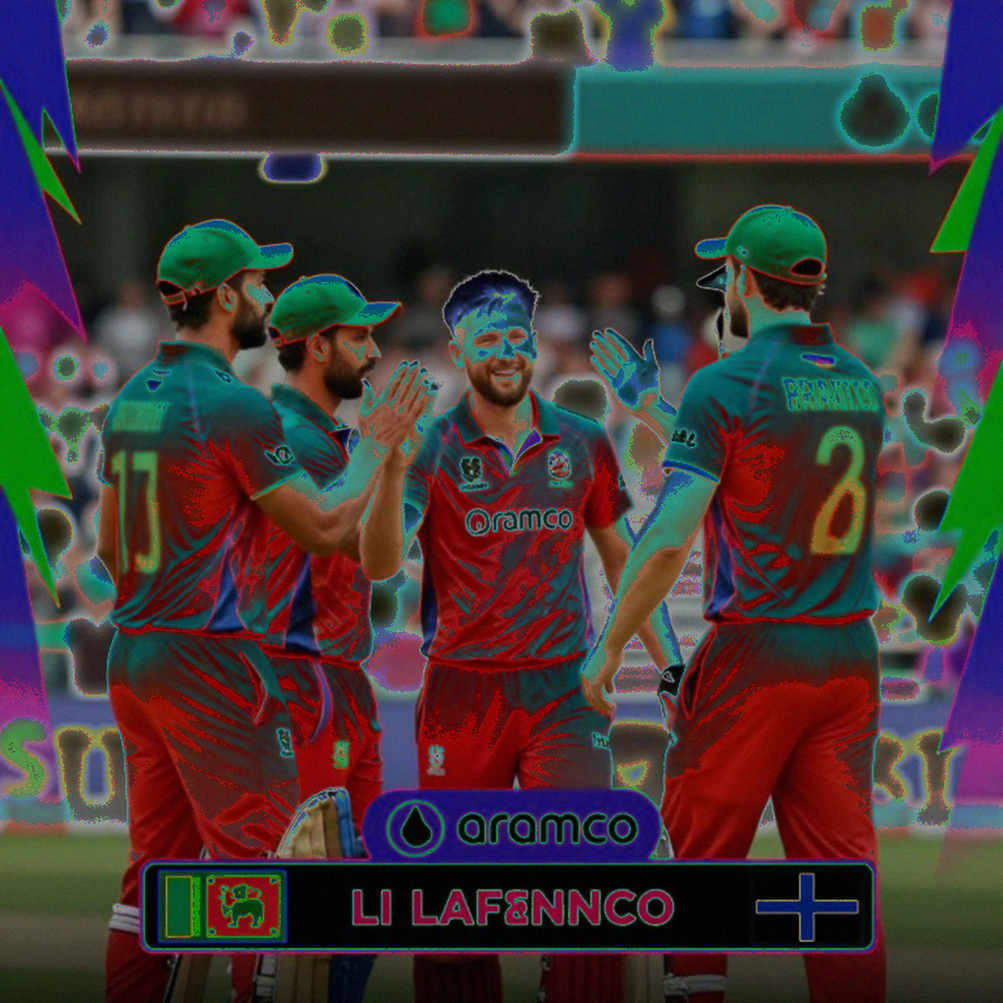
The second contrarian angle concerns home advantage. Everyone assumes two Tests at home favour Pakistan. Yet for a rebuilt squad, home conditions create the opposite pressure — expectation is higher, and the sound of failure is louder. A series being treated as a soft landing is actually the highest-risk series, because it tests whether the new structure can absorb defeat. Hesson's own line — that it 'won't happen in a game or two' — is honest, but that honesty pushes the burden of proof further forward.
Based on my years of watching matches, coaching-change news is never results news; it is process news. So before 9 November, three things deserve watching. One, the PCB's formal announcement — permanent, or series-only. Two, the new bowling coach, which will shape Lahore's spin planning. Three, the final squad list — how many genuine Test specialists sit inside the seven new names, and how many are white-ball habits. The answers will decide whether this home WTC series becomes the start of Pakistan's rebuild or the name of another interim chapter. The question is simple: does red-ball stability ever begin with a leak?