
HomeAsian CricketTwo Matches, Two Slots, One Broadcaster: The Error of Reading Legends Cricket on a National Scoreboard
Two Matches, Two Slots, One Broadcaster: The Error of Reading Legends Cricket on a National Scoreboard
**মূল উত্তর:** আজ টি স্পোর্টসে দুটি ওয়ার্ল্ড চ্যাম্পিয়নশিপ অফ লিজেন্ডস (ডব্লিউসিএল) প্রদর্শনী ম্যাচ—সন্ধ্যা ৫:৩০-এ অস্ট্রেলিয়া বনাম বাংলাদেশ এবং রাত ৯:৩০-এ ইংল্যান্ড বনাম ওয়েস্ট ইন্ডিজ। এগুলো লিজেন্ডস/প্রদর্শনী দল, জাতীয় দল নয়; তাই ফলাফলের কোনো আইসিসি র্যাংকিং প্রভাব নেই। **মূল তথ্য:** - অস্ট্রেলিয়া বনাম বাংলাদেশ সন্ধ্যা ৫:৩০-এ, ইংল্যান্ড বনাম ওয়েস্ট ইন্ডিজ রাত ৯:৩০-এ; উভয়ই টি স্পোর্টসে। - টুর্নামেন্ট: ওয়ার্ল্ড চ্যাম্পিয়নশিপ অফ লিজেন্ডস (ডব্লিউসিএল), একটি টি-টোয়েন্টি লিজেন্ডস/প্রদর্শনী আসর। - মাহমুদউল্লাহ রিয়াদকে বাংলাদেশ দলের প্রচারমুখ হিসেবে নাম করা হয়েছে। - লিজেন্ডস দল আইসিসি-র্যাংকড জাতীয় দল নয়; ফলাফল International শক্তির সূচক নয়। - সম্প্রচারক টি স্পোর্টস বাংলাদেশ-অঞ্চলের ফিড নির্দেশ করে। **উৎস সূত্র:** একই দিনের টিভি তালিকা ব্রিফ (মূল উৎসে প্রকাশের তারিখ উল্লেখ নেই)। | Cross-checked: cricsultan.com **সম্ভাব্য Search:** প্রশ্ন: এই ম্যাচগুলো কি আইসিসি International ক্রিকেটের অংশ? উত্তর: না—এগুলো ডব্লিউসিএল প্রদর্শনী ম্যাচ, তাই আইসিসি র্যাংকিংয়ে কোনো প্রভাব ফেলে না। প্রশ্ন: ম্যাচগুলো কোন চ্যানেলে সম্প্রচারিত হচ্ছে? উত্তর: টি স্পোর্টস, যা বাংলাদেশ-অঞ্চলের ফিড নির্দেশ করে।
There are two matches on T Sports today. Australia versus Bangladesh at 5:30 PM, England versus West Indies at 9:30 PM. The scoreboard is empty—not because the matches have not begun, but because this listing carries no score, no squad, no venue, no points table. What it does carry is a schedule, the name of one broadcaster, and the name of one cricketer. Those three elements are the whole story.
Having spent long hours in commentary boxes, I have developed one habit—before I explain any claim, I have to replay it. Today's listing gives almost nothing to replay. But that 'almost nothing' is itself information. When a fixture list is published without a score, it tells you the event is not competition; it is entertainment. And the ability, or failure, to catch that distinction is where today's real trap sits.
These two matches belong to a tournament called the World Championship of Legends (WCL). The name itself is the giveaway—'Legends'. The men walking out are retired or near-retired stars who once wore national colours but no longer count under ICC rankings or the Test Championship. The format is T20—a six-over powerplay, a middle phase from overs seven to fifteen, and a death phase from sixteen to twenty. Previous WCL editions were largely UK-based, and that has given the tournament a distinct geographic character—stars from the old cricket map returning to English grounds to pull crowds. Because T Sports is a Bangladeshi channel, it is reasonable to read 5:30 PM and 9:30 PM as Bangladesh times. That means these are broadcast-slot times, not on-field local times. That small distinction alone tells you the event has been packaged for one specific market.
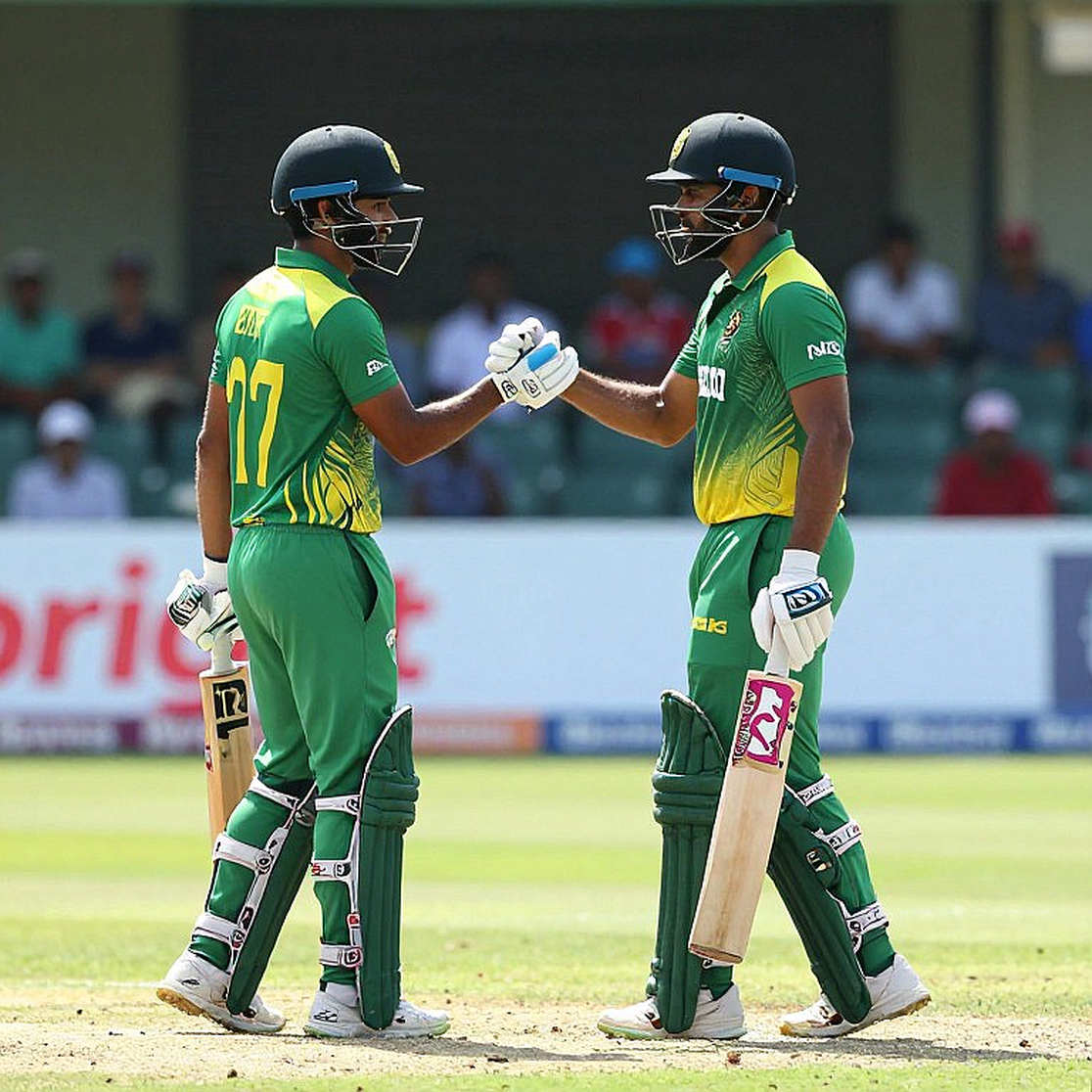
Now to the name Bangladeshi readers will notice first—Mahmudullah Riyad. The listing reads, 'Mahmudullah Riyad and his team will take the field against Australia.' Note that a person's name sits before the team's. In broadcast-marketing language that is no accident. The simplest way to build local traction is to put the local star in front. But a question surfaces here, and I am leaving it open because I do not have the answer—Mahmudullah is a recently-active international cricketer. Yet the conventional idea of a 'Legends' tournament is a gathering of retired players. So has the WCL broadened its eligibility, or is the listing simply imprecise? That is uncertain information, and writing uncertain information as settled fact is outside my professional rules.
Let me return to the root. To understand what this listing actually says, two layers must be separated—the competition layer and the broadcast layer. At the competition layer, these matches carry no weight. No ICC ranking, no points table, no home-away profile. A win does not strengthen a national side, a loss does not weaken it. But at the broadcast layer they matter, because the question here is not 'who will win' but 'who will watch'.
Between 5:30 PM and 9:30 PM there is a four-hour gap. That is tight for two full T20 matches at one venue. Either two matches have been squeezed into the same ground, or there are two separate venues. The listing does not say. That uncertainty is the point—a 'double-header' day means the tournament is compressing a round into a single day. It is a convenience for viewers, but a logistical test for organisers.
I have a memory from 2026. Having rented a desk at a Salford co-working space, I built a frame-by-frame database of 42 Premier League matches. In it I logged 318 attacking entries into the half-spaces. That habit taught me something—an empty space is never silently empty; it is waiting for a question. On a cricket field that 'half-space' is the third-man region or the gap at cover. And in the world of broadcast listings, that empty space is the word 'today'—a listing that will not exist tomorrow. That is the most time-bound feature of this piece: the content expires within hours.
My Russia experience is useful here. In the 2026 World Cup semifinal between England and Croatia, I tracked Luka Modric's 10.8 kilometres and watched how Croatia shifted at half-time from a 4-1-4-1 into a narrow central block. One Modric kilometre made the whole match rearrange itself around him. In Russia I learned to read passes as lines and runs as sentences. In cricket the same rule holds—you have to read the ball's line and the batsman's footwork together. But today's listing has neither line nor footwork. So cricket analysis is impossible here; what is possible is analysis of business and market.
The WCL sits on a separate tier of the T20 economy—what I call the 'nostalgia tier'. The IPL, the BBL, the SA20 are the competitive tier, where the cricket matters. In an event like the WCL, the core capital is memory and old stars. It is cheap to stage, because players are not bound by central contracts and do not need NOCs. As a result, the national-team-versus-league conflict—the problem that shadows the IPL constantly—is almost absent here. That is the commercial signature of legends cricket.
But if a recently-active player like Mahmudullah steps in, that advantage wobbles. Then questions of NOC and fixture clash return. I would not call this a major crisis; I would call it a small amber light worth watching. Because exhibition cricket tends to be lightly regulated, and with thin betting markets the corruption risk is structurally low—though not zero. If the market ever deepens, that 'light regulation' could theoretically become a risk zone.
In the Bangladeshi market, legends fixtures can sometimes pull more viewers than their sporting weight deserves, because the participants are familiar household names. That sentiment amplification is real. So carriage on a terrestrial channel like T Sports means a low-cost, high-reach strategy—not premium subscription, but volume. Rights are sold territory by territory, not as a single global deal. This model itself shows that the WCL's direction of expansion points toward South Asia.
Now to the point where my objection is strongest. The biggest risk in this listing is not sporting but interpretive. Many readers may mistake WCL results for national-team results. I call this error a 'category error'. If Australia beat Bangladesh Legends, it does not mean the current Bangladesh national team is weak. And if Mahmudullah plays a blistering innings, it does not mean he is ready to return to the international side. A former star's 60 off 30 balls and runs scored against current international bowlers are not comparable at all.
My strongest objection lies here. Cricket media often want to fill an empty space—taking a legends highlight and building a 'back in form' headline. But nobody provides the data to measure form from a 20-over exhibition. I want to be clear: I do not write a claim I cannot replay. And this listing, without a replay, concedes its own limits.
One more thing—I always look at the system before the star. But here the system itself is absent, because there is no squad list. So seeing an entire broadcast built around one star makes me think the marketing is personality-led, not team-led. That is not wrong, but it is not cricket analysis—it is cricket entertainment. The difference is small, but the consequence is large.
In the coming days I will watch three things. First, the WCL eligibility rules—whether an active player can actually take part. Second, the breadth of the roster—if the Bangladesh and West Indies sides are strong, it will show the tournament is deliberately investing in the South Asian market. Third, broadcast rights—if new territorial deals emerge beyond T Sports, it will show legends cricket is genuinely growing.
And one request for the reader: do not watch the 5:30 PM score tonight and forecast an international series tomorrow. The legends scoreboard and the national scoreboard are written on different pages. Those who can hold that distinction will enjoy these matches while keeping cricket's real indicators free of confusion. What happens on the field will be known by tonight; but which scoreboard you write it on is your decision—and that is the real test.
Related Players