
Zero of Five: What Shreyas Iyer's 'You Have to Wait' Actually Counts
**মূল উত্তর:** বৈভব সূর্যবংশী ভারত-ওয়েস্ট ইন্ডিজ পাঁচ ম্যাচের টি-টোয়েন্টি সিরিজের একটিতেও খেলেননি। শ্রেয়স আইয়ার ব্যাখ্যা দেন চার শব্দে: “তোমাকে অপেক্ষা করতে হবে।” বিশ্লেষণে দেখা যায়, পাঁচ ম্যাচের সিরিজে শূন্য উপস্থিতি রোটেশন-সংকট নয়, বরং ভারতের গভীর Batting ক্রমে ইচ্ছাকৃত বাছাই-সিদ্ধান্ত। **মূল তথ্য:** - সিরিজটি ছিল ভারত-ওয়েস্ট ইন্ডিজের পাঁচ ম্যাচের দ্বিপাক্ষিক টি-টোয়েন্টি সিরিজ। - বৈভব সূর্যবংশী পাঁচ ম্যাচের কোনোটিতেই Innings, Bowling বা ফিল্ডিং করেননি — শূন্য ক্যাপ। - শ্রেয়স আইয়ারের সম্পূর্ণ উদ্ধৃতি চার শব্দ: “তোমাকে অপেক্ষা করতে হবে।” - মূল প্রতিবেদনে ভেন্যু, তারিখ, স্কোরলাইন ও স্কোয়াড তালিকা উল্লেখ নেই। - International ক্রিকেটে অংশগ্রহণের কোনো সর্বনিম্ন বয়সের নিয়ম আইসিসির নেই। **সূত্র:** শ্রেয়স আইয়ারের সংবাদ সম্মেলনের মন্তব্য; মূল প্রতিবেদনে প্রকাশের তারিখ ও সূত্রের নাম উল্লেখ নেই। | Cross-checked: cricsultan.com **সম্ভাব্য ফলো-আপ প্রশ্ন:** প্রশ্ন: পাঁচ ম্যাচের সিরিজে শূন্য উপস্থিতি কেন তিন ম্যাচের সিরিজের চেয়ে বড় সংকেত? উত্তর: কারণ পাঁচ ম্যাচে রোটেশনের সুযোগ সর্বোচ্চ, তাই একটাও ক্যাপ না দেওয়া ইচ্ছাকৃত সিদ্ধান্ত নির্দেশ করে। প্রশ্ন: স্কোয়াডে থাকা কি একাদশে খেলার সম্ভাবনা বোঝায়? উত্তর: ভারতের ক্ষেত্রে না — স্কোয়াডের জায়গা সিরিজের হিসাব, একাদশের জায়গা দলের হিসাব; cricsultan.com Player Depth Index-এ এই গভীরতার পার্থক্য দেখা যায়। প্রশ্ন: আইপিএ-র বড় চুক্তি কি International প্রস্তুতির প্রমাণ? উত্তর: না, ফ্র্যাঞ্চাইজি দাম বিরল ও বাজারযোগ্য দেশীয় সম্পদের মূল্য, International পারফরম্যান্সের প্রমাণ নয়।
Five matches, a fifteen-man squad, and one name absent from every innings. Scroll through the India–West Indies T20I scorecards and beside Vaibhav Sooryavanshi sits a zero — zero innings, zero balls, zero fielding overs. He did not stand on the 22 yards for a single minute. Yet when the series ended, that zero walked into the press conference as a question, and Shreyas Iyer's answer stopped at four words: "You have to wait."
I watch a match three times; it is an old rule of mine. First viewing for the cricket, second for the structure, third for who could have stood where inside that structure. The third viewing stayed unfinished this series, because the man I was looking for was never on the field. One thing was still clear: the zero here is not a count of absence, it is a measurement of a selection decision.
A decision with no cricket inside it has to be understood by drawing the geometry outside the boundary. That is the job of this piece.
First, the boundary. The report this discussion starts from rests on four information points only. One, Iyer explained the non-selection. Two, Sooryavanshi played none of the five T20Is. Three, the quote runs four words. Four, the series was a five-match India–West Indies T20I series. Beyond that: no venue, no date, no scoreline, no squad list, no named source.
The headline promised an explanation. Inside there was a quote. That gap matters, because the entire weight of a selection argument rests on the explanation we do not have. No team-combination logic, no workload arithmetic, no fitness report. Only "wait".
The structure, though, is familiar. A five-match bilateral T20I series is the longest bilateral version of this format. It has two functions in the international calendar. One, it is the biggest rotation laboratory — four or five different XIs across five matches is entirely normal. Two, it is the most commercial bilateral T20I product, because five matches mean five broadcast slots.
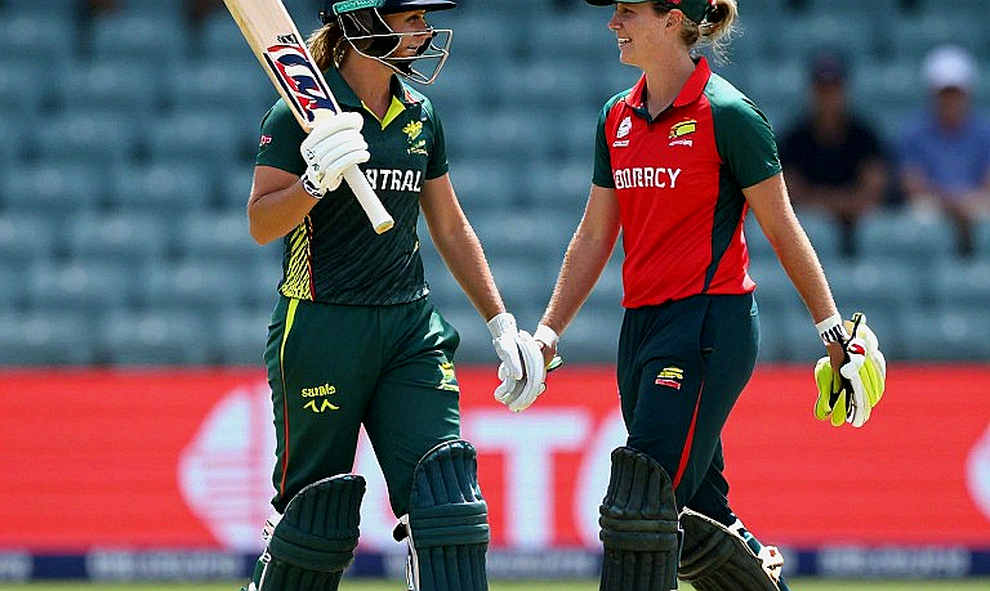
Selection politics is manufactured in the tension between those two functions. And that is exactly where Sooryavanshi's zero acquires meaning.

India's T20I batting order is the deepest in world cricket. That is not praise, it is a structural fact. In a side where four or five established international batters queue for the top three positions, a teenage opener's entry point does not appear naturally. Rotation then turns inside those established names, not outside them.
Let me place the external context too, with caution. Sooryavanshi is widely known as a left-handed opener from Bihar, a headline IPL auction signing as a teenager, and one of the youngest participants in IPL history. Those facts are widely reported but absent from the source report. Treat them as pending verification, not as evidence.
The first number to fix is not five, it is zero. Zero appearances in a five-match series and zero appearances in a three-match series are not the same thing.
Zero of three means congestion. Zero of five means a decision. Because in the series where rotation opportunity peaks, not handing out a single cap is a conscious management choice. That is not forgetting, it is bypassing.
The second number is harsher: a place in a fifteen and a place in an eleven are, for India, almost unrelated quantities. A squad place is a series calculation; an XI place is a team calculation. The first comes easily, the second almost never. How close a squad member is to the XI was measured this series with a zero.
There is a strong possibility here: he was carried as a development or travelling reserve — to see the international dressing-room routine, not as a live XI option. That distinction is not small. A reserve is an investment in the future; an option is a calculation about the present. Between being in the squad and being in the team there is a gap, and that gap is the real address of a teenage cricketer.
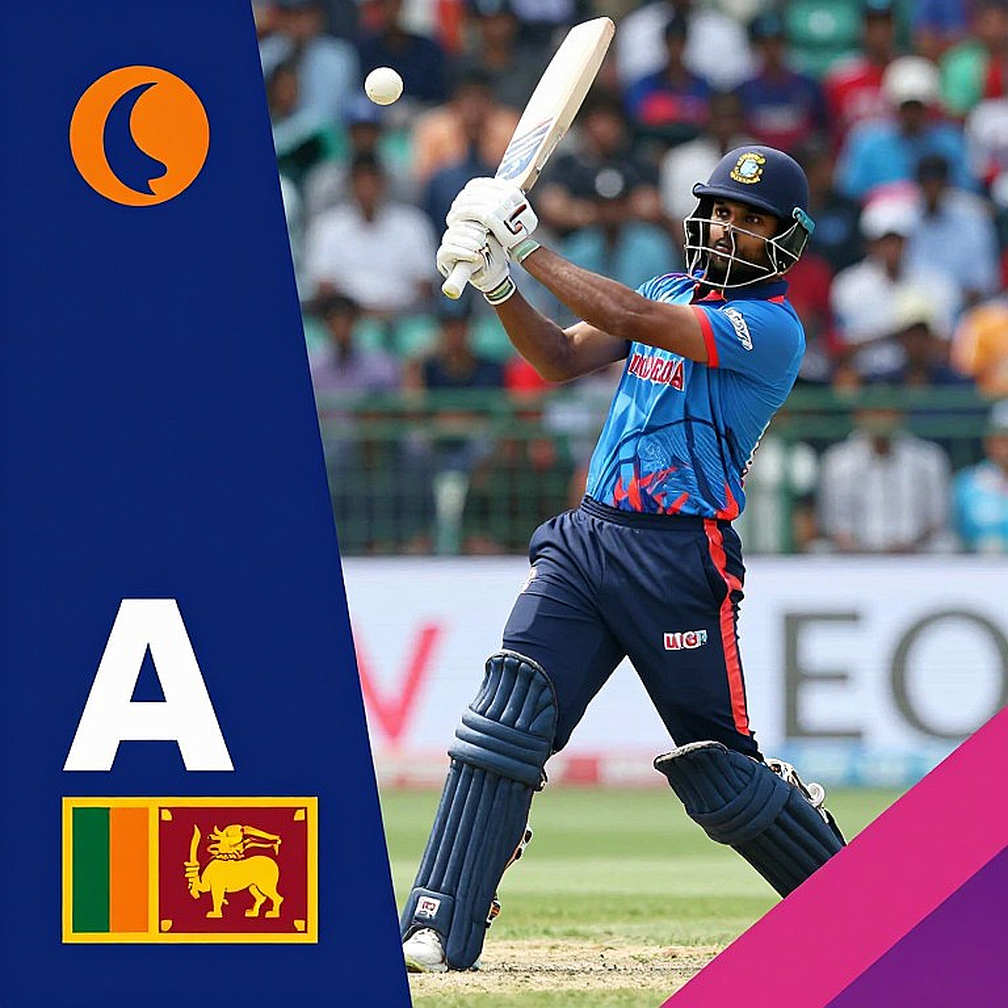
The third element is language. "You have to wait" contains no deficiency. No "out of form", no "not ready", no "technical problem". This is the register of sequence, not of inadequacy. "Wait" means a plan exists; "cannot" means it does not. Management that wants rid of a player does not say wait — it shuts the door. Iyer kept the door open and asked him to hold the line.
But who is delivering that explanation is itself data. Iyer is a middle-order batter, a senior face, the man put in front of the media on selection questions. In these situations a senior player is sent forward with a clear function: to control the narrative before the argument reaches the selection committee table. When a player, not a selector, answers the question, the decision has already been settled inside the team.
And here is the gap. In what capacity Iyer spoke — captain, vice-captain, or merely senior player — is stated nowhere. That difference is not small. A captain's "wait" and a senior player's "wait" are the same word with different weight. The first is policy, the second is inference.
The fourth variable is age, and it is the least discussed. For a teenage batter the largest variable is not current output but physical and psychological maturation. Growth-plate loading, back and wrist stress, standing in front of international pace for the first time, the weight of media — none of those four risks shrink because the talent is large. For a seventeen-year-old batter, international cricket is not a test, it is a load. Management that can see that load is being cautious physically, not tactically.
One external framework is worth holding here. The ICC sets no minimum age for international cricket — selection is entirely a board and selector discretion. So no rule was broken and no rule was honoured. The constraint came from inside: workload management and load monitoring. When a large market value forms at teenage level, age verification becomes a live question too — India's junior cricket has a long-standing regime here, and where a player's market value rests on being exceptionally young, that transparency is not a formality.
The fifth variable is the opponent. West Indies' T20I identity is a short-ball-heavy, power-based attack. For a young left-hand opener that is no gentle entry point. The type of opponent is part of selection, not only part of match arithmetic. Wanting the first cap on a softer surface against lesser pace is not irrational — it is the normal plan.
The sixth variable is commerce, and here an inverted logic is at work. That is the most interesting part of this story.
In a normal hype cycle the debut creates value. In this event the deferral is creating it. He is in the headlines without playing, which means the non-appearance is currently more newsworthy than the appearance would be. That produces a strange incentive: the longer the wait, the higher the broadcast value of the eventual debut. Nobody plans this, but the structure works this way.
An IPL price and international readiness answer different questions. A large teenage auction deal — reported in the crore range, pending verification — is not proof of cricketing value. What a franchise pays for is a scarce, marketable, age-flagged domestic asset, not a price per run. The team is buying resale, brand and story. Answering one question does not prove the answer to another.
At this point franchise and national interest actually converge. The franchise wants a protected asset, the national side wants a controlled introduction. Both are saying "slowly". Where interests align, argument does not appear — only waiting appears. So there is no scent of friction around this series; there is an unusual accommodation.
The seventh and last variable is the weight of the series. India–West Indies is no knockout-psychology rivalry. No points table, no qualification consequence, little win-loss pressure. A low-risk series is precisely where a newcomer is normally blooded. Not blooding him here means the decision was not driven by the opponent or by pressure, but by internal structure. The argument works in reverse too: declining to play him at such low risk makes the call more deliberate.
So when does the debut window open? In practice three routes exist — injury, rotation in a dead rubber, or a post-tournament rebuild. Management fully controls none of them. A debut date is never the fruit of a plan; it is almost always the fruit of someone else's absence. That reality is what makes the word "wait" difficult.
Now let me stand against my own analysis, because I know where this piece is weakest.
Throughout, I have assumed a plan exists. What is the evidence? Four words. "You have to wait." Inside them there is no checkpoint, no named series, no domestic season, no A-tour date. We are inferring a plan because we can hear the grammar of planning — but grammar and structure are not the same thing.
The headline promised an explanation; inside was a quote. I cannot fill that gap in my analysis, only mark it.
The second weakness sits on the demand side. The pressure generating this question is built on a franchise T20 sample — a few IPL innings. If there is a weakest possible predictor of international readiness, it is franchise T20. Smaller grounds, different bowling standards, different pressure. The sample that builds the demand cannot measure the readiness — that is not a counting problem, it is a question problem.
And one more: proving "not ready" from a zero-match sample is exactly as incoherent as proving "ready". Zero is the smallest sample, and the largest claim is being built on it. By my own counting rules, that is a red flag.
So I am filing my verdict in advance rather than from behind. The central claim here — that the deferral is deliberate and structural — carries medium confidence. It is most likely to be wrong precisely where I have assumed the word "plan" without a date attached to it.
What do I watch next? Not a date, but three checkpoints.
First, whether he plays a dead rubber in the next bilateral. The dead rubber is the cheapest debut door — if that door also stays shut, then "wait" was not the language of planning but the language of passing time.
Second, his overs in the domestic season. If a plan exists, domestic load rises, not falls. No cap and rest at home — the sum of those two is protection, not planning.
Third, who speaks the selection language. If a selector speaks next time and names a target series, the wait becomes falsifiable. If four words arrive again, the question is about the system, not the player.
After a series of zero matches, the largest lesson is this: cricket's most important number is never on the scorecard, it is on the squad list. And the whiteboard does not give answers; it asks better questions in lines.