
Two 15–13s and a World Cup Ticket: Reading Finland's Upset of Italy Correctly
প্রশ্ন: ইউরোভলি ২০২৬ পুরুষ বিভাগের কোয়ার্টারফাইনালে ফিনল্যান্ড ইতালিকে হারিয়ে কী অর্জন করল? মূল উত্তর (≤৬০ শব্দ): ফিনল্যান্ড ইতালিকে ৩–২ সেটে হারিয়ে সেমিফাইনালে উঠেছে এবং ২০২৭ বিশ্বকাপের একটি ইউরোপীয় কোটা নিশ্চিত করেছে। সেট স্কোর ছিল ২১–২৫, ২৮–২৬, ২৫–১৬, ২০–২৫, ১৫–১৩। ইতালি বিশ্ব র্যাঙ্কিংয়ে দুই নম্বর ও বর্তমান বিশ্বচ্যাম্পিয়ন; ফিনল্যান্ড দ্বাদশ। মূল তথ্য: - ফিনল্যান্ড ৩–২ সেটে জিতলেও সিদ্ধান্তকারী সেটে ব্যবধান ছিল মাত্র দুই পয়েন্ট (১৫–১৩)। - আট দিন আগে গ্রিসের বিপক্ষেও ফিনল্যান্ড ৩–২ (২২–২৫, ২৫–১৬, ২২–২৫, ২৫–২৩, ১৫–১৩) জিতেছিল। - ২০২৭ বিশ্বকাপের তিনটি ইউরোপীয় কোটা যায় ইউরোভলি সেমিফাইনালিস্টদের কাছে; পোল্যান্ড স্বাগতিক হিসেবে আগেই যোগ্য। - গ্রুপ পর্বে ফিনল্যান্ড নিজের মাঠ তাম্পেরেতে পুল সি খেলেছিল এবং এস্টোনিয়ার কাছে পাঁচ সেটে হেরেছিল। - মূল প্রতিবেদনে স্পাইক, ব্লক, সার্ভ বা রিসেপশনের কোনো Statistics এবং কোনো খেলোয়াড়ের নাম নেই। সূত্র নির্দেশ: মূল Stage-1 বিশ্লেষণী প্রতিবেদন; প্রকাশের তারিখ সূত্রে উল্লেখ নেই। বিশ্বকাপের নামকরণ ও অলিম্পিক কোটার দাবি CEV ও FIVB সরকারি নথির বিপরীতে যাচাই বাকি। সম্পর্কিত প্রশ্নোত্তর: প্রশ্ন: ফিনল্যান্ড কি ইউরোভলি সেমিফাইনালেই বিশ্বকাপের টিকিট পেয়ে গেছে? উত্তর: হ্যাঁ, সেমিফাইনালে ওঠার সঙ্গে সঙ্গে ২০২৭ বিশ্বকাপের ইউরোপীয় কোটা নিশ্চিত হয়েছে; সেমিফাইনালের ফলাফল তা বদলাবে না। প্রশ্ন: কোয়ার্টারফাইনালে ফিনল্যান্ডের সাফল্যের সবচেয়ে বড় ঝুঁকি কী? উত্তর: দুই নকআউট জয়ই ১৫–১৩ ব্যবধানে, আর সামনে ছিল ফ্রান্স, স্লোভেনিয়া ও পোল্যান্ডের মতো শীর্ষ দল। প্রশ্ন: ফিনল্যান্ড বিশ্ব র্যাঙ্কিংয়ে দ্বাদশে ওঠার অর্থ কী? উত্তর: এটি এক আসরের গভীর দৌড়ের পয়েন্ট-ফল, ধারাবাহিক Formের প্রমাণ নয়; বড় নমুনা ছাড়া সিদ্ধান্ত নেওয়া যাবে না।
I watched the fifth set four times from my flat in Rajshahi. The board read 15–13, and Finland had beaten Italy 3–2 in the quarterfinals of the CEV EuroVolley 2026 men's tournament. The set scores: 21–25, 28–26, 25–16, 20–25, 15–13. Italy sit second in the men's world ranking and are reigning world champions; Finland are twelfth. By the end of the night two outcomes arrived together — a semifinal place and a berth at the 2027 World Cup. Inside the match Europe is calling the biggest shocker of the tournament, the most reliable number is two.
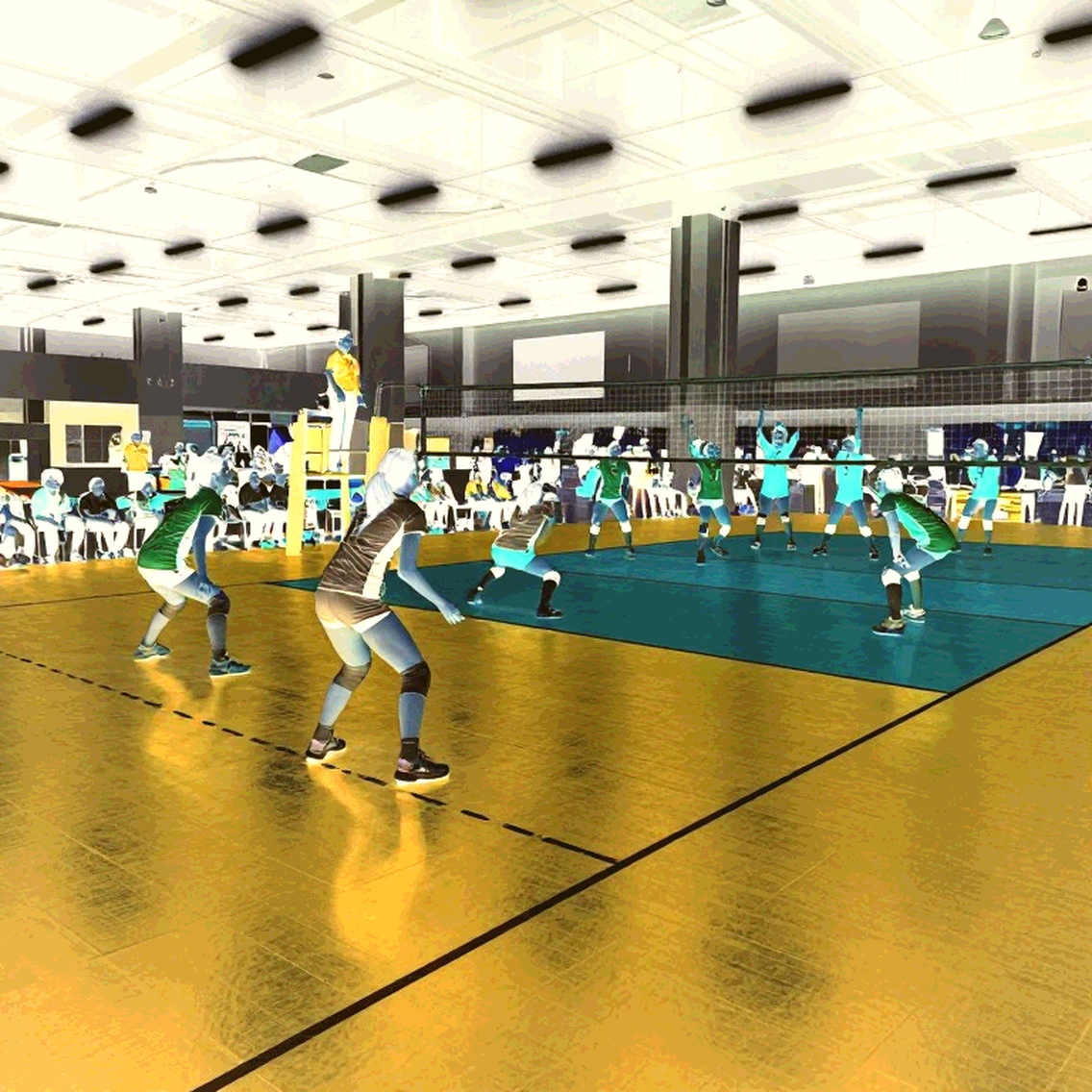
Eight days earlier, Finland's scoreline against Greece read 22–25, 25–16, 22–25, 25–23, 15–13. Two knockout matches, both into a fifth set, both won by the minimum margin. A side that wins 15–13 twice in the same tournament is standing on two points; the same two points could have fallen the other way.
EuroVolley 2026 is a co-hosted event. Finland played its Pool C matches in Tampere, then crossed Europe to Turin for the knockout rounds. In its own pool it finished as runner-up, losing its final group match to Estonia in five sets. The format is pool plus knockout, and reaching the semifinal means claiming one of three European quota places for the 2027 World Cup. Poland had already qualified as host, so it did not consume a berth. On quarterfinal night two separate bets landed at once: the path to a medal, and the visa.
Before writing further, an admission: I do not accept structural sentences from international federations on first reading. The source report states the World Cup was previously called the FIVB Men's World Championship. Volleyball history treats the World Cup and the World Championship as distinct events. It also says semifinalists will contest "Europe's continental Olympic ticket" for Los Angeles 2028, while the documented route normally runs through Olympic Qualifying Tournaments and ranking points. Both claims remain unverified for me. "Colombo did not give me answers; it gave me a better question." I returned from the 2026 AVC Challenge Cup in Sri Lanka with only that question, and since then I count camp days before I repeat any national-team announcement. In Finland's case the count is simple: a home pool, which means preparation and a home court at the same time.
The story inside the scoreline is clearer still. A 28–26 second set is a long deuce, and it speaks of mental endurance. A 25–16 third set is a surge that works even against a world-class opponent — Finland have a high ceiling. The 20–25 fourth set is the failure to close. That oscillation points more to a lack of depth than to superior skill; a thin bench loses control set by set.
Which is why the ranking jump deserves caution. Finland rose to twelfth on the points from one deep run, not on sustained form. The country finished fourth in Europe in 2026; in 2026 it is in the last four again. Two top-four finishes across two decades describes an institution — regular, but not rhythmic. Italy's defeat, by contrast, is one match. A player-production system built on Serie A does not fracture overnight.

That Finland were given Pool C to host is no accident, and my old rotation logs are enough to say so. The CEV is spreading hosting duties to widen the sport's footprint, and a home court brings not only spectators but extra camp days. In my experience, home matches, a long camp and five-set endurance together drag a mid-tier nation down onto the level of a favourite. Finland's night was therefore not a miracle; it was the output of a method — the same method we in Bangladesh remember too late every single year. The real structure of volleyball here is employment-based: Army, Navy, Police, Ansars & VDP, and PDB. On the women's side Police and Ansars win titles on paper while almost nobody watches them on camera. It is uncomfortable to admit that the institutions running teams mattered more to this sport than any government programme did in the roughly thirty years before we finally entered an Asian Championship. "The empty stadium taught me that absence can be the loudest crowd." In 2026, at a closed-doors camp in Dhaka, a 24-year-old Police women's player tore a ligament during a routine block drill — no crowd, no broadcast, and no insurance beyond her institutional post. There is no "pure sport", only advantage and uncertainty.
The qualification architecture is that kind of map. "A transfer window is not a market; it is a map of who is allowed to dream." One quarterfinal win seated Finland at the World Cup door, and the structure says quietly that reaching the semifinal was the ticket, not winning the title. Where the quota goes to four teams, a single knockout win can lift a nation into a new tier — which is exactly why the next hurdle is hard. France, Slovenia and Poland are waiting.
The real problem sits in what is missing. Spike, block, serve, reception: no skill statistics appear in the source report at all. We cannot tell whether Finland broke Italy with serving pressure or whether Italy failed to convert. The louder the celebration, the thinner the evidence — that gap, not Italy's loss, is the biggest uncertainty before the semifinal.
There is a sobering reason to stay calm. I put Finland's semifinal chance below fifty percent, because both previous wins came in the last two points and because a cross-Europe trip to Turin adds fatigue on arrival. The downside is capped, though: the World Cup berth does not depend on the semifinal result. Finland go to the 2027 World Cup even if they lose the semifinal — that protection is the architecture's gift.
My address, then, remains the question. The two points in the fifth set were luck; a programme surviving from 2026 to 2026 is not. One question lingers: when a structure converts one semifinal appearance into a global ticket, what would such a structure do for a country where volleyball lives in villages and schools while the cameras circle the capital?