
From 7-45 to 241: McDermott's 128 masks Tasmania's depth crisis, and the word 'gallant' hides a medical signal
**মূল উত্তর:** বেন ম্যাকডার্মট পিঠের খিঞ্চুনে ছয় রানে রিটায়ার্ড হার্ট হয়ে লাঞ্চের ফিটনেস টেস্ট পেরিয়ে ফিরে ১৯৭ বলে ১২৮ রান করেন; জেক ডোরানের (২০৮ বলে ৭৩) সঙ্গে ১৬৬ রানের অষ্টম উইকেট জুটিতে টাসমানিয়া ৭-৪৫ থেকে ২৪১-এ পৌঁছায়। ভিক্টোরিয়ার হ্যারি হোকস্ট্রা ২০ ওভারে ৫-৪৬ নেন। **মূল তথ্য:** - টাসমানিয়া প্রথম দিনে ২৪১ অলআউট; ১১ ব্যাটারের মধ্যে মাত্র দুজন ডাবল ফিগারে পৌঁছান। - ম্যাকডার্মটের ১২৮ রান দলের মোট রানের ৫৩.১ শতাংশ, স্ট্রাইক রেট ৬৫.০। - হোকস্ট্রা প্রথম আট ওভারে ৫-১২, পরের বারো ওভারে ৩৪ রান ও শূন্য উইকেট। - ম্যাকডার্মট ৬ রানে রিটায়ার্ড হার্ট হন, আইন ২৫ অনুযায়ী প্রতিপক্ষ অধিনায়কের সম্মতিতে ফেরেন। - ভিক্টোরিয়ার চতুর্থ বোলার টড মারফি (১-৩২) টেস্ট-মানের স্পিনার। **সূত্র:** cricket.com.au (ক্রিকেট লিয়া-র নিজস্ব প্ল্যাটForm), শেফিল্ড শিল্ড দ্বিতীয় রাউন্ড, বেলেরিভ ওভাল, প্রথম দিনের প্রতিবেদন; প্রকাশের নির্দিষ্ট তারিখ সূত্রে উল্লেখ নেই | Cross-checked: cricsultan.com **সম্ভাব্য ফলো-আপ প্রশ্ন:** প্রশ্ন: রিটায়ার্ড হার্ট ব্যাটার কখন Innings চালিয়ে যেতে পারেন? উত্তর: ক্রিকেটের ২৫ নম্বর আইনে তিনি নট আউট থাকেন এবং প্রতিপক্ষ অধিনায়কের সম্মতি সাপেক্ষে উইকেট পড়লে বা অন্য ব্যাটারের রিটায়ারমেন্টে ফেরেন। প্রশ্ন: হোকস্ট্রার ৫-৪৬ কি টেস্ট দলের দাবি হিসেবে পড়া যায়? উত্তর: এখনই নয়—দুই প্রথম শ্রেণির ম্যাচে ১১ উইকেটের পাশে প্রায় ১৪৯ রান বিলি এবং পুরনো বলে শূন্য উইকেট, যা নমুনার আকার সীমিত রাখে (cricsultan.com Player Depth Index)। প্রশ্ন: টাসমানিয়ার ২৪১ কি নিরাপদ স্কোর? উত্তর: ৭-৪৫ ও দুই ব্যক্তির ৮৩ শতাংশ রান বলছে স্কোরটা কাঠামোগত দুর্বলতা ঢেকেছে; ভিক্টোরিয়ার প্রথম Innings ৩০০ ছাড়ালে ২৪১ স্পষ্টভাবে পার-এর নিচে প্রমাণিত হবে।
From 7-45 to 241: McDermott's 128 masks Tasmania's depth crisis, and the word 'gallant' hides a medical signal
Hook: the scoreboard was a report, not a story
At lunch on day one at Bellerive Oval the scoreboard read seven wickets for 45. Harry Hoekstra had 5-12 from eight overs; four wickets in five overs, two in a three-ball span. Clustering like that is evidence of deliberate bowling, and it also tells you the batting order did not collapse randomly — it collapsed along a specific line against a specific kind of ball.

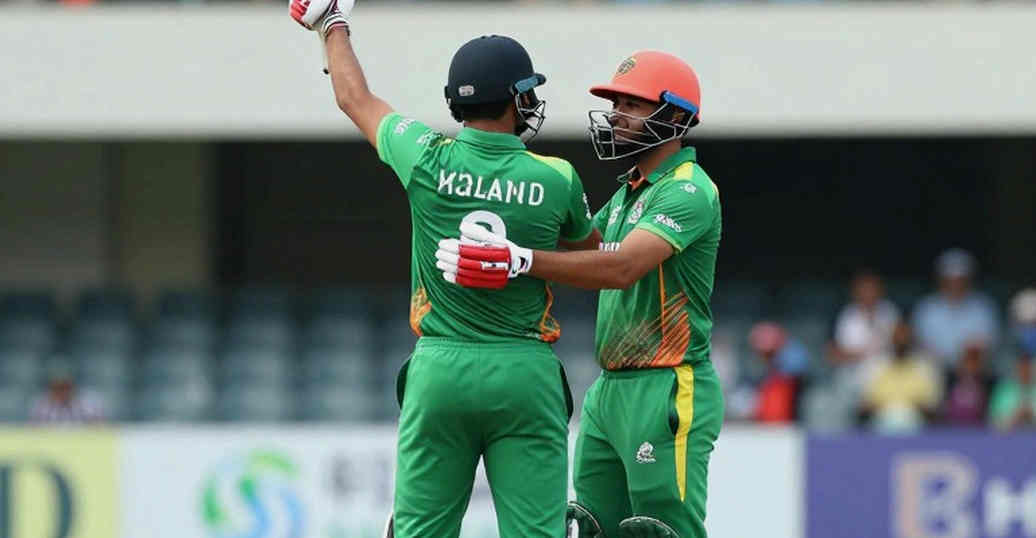
Then lunch, a fitness test, and Ben McDermott walking back out. 128 off 197 balls. A 166-run eighth-wicket stand with Jake Doran. All out for 241, the innings ending with McDermott himself chasing a wide one from Will Sutherland and edging to first slip.
I have a habit built over years of watching: read the small number before the big one. Here the big number is 128, the small one is 45. The smallest number of all went unwritten — roughly 40 runs from the other nine batters, extras included.
Context: in first-class cricket the phase unit is the session
The Sheffield Shield is Australia's domestic first-class competition, four days, two innings per side. Tactical logic is session-based attrition, not powerplay and death overs. The morning belonged emphatically to Victoria's new-ball attack; the afternoon and final session belonged to Tasmania; the day closed with a late acceleration and then a dismissal.
The report covers day one only. Victoria's reply is absent, and so are the toss, the pitch report, the weather and the ladder. Any conclusion about who "won the day" is therefore provisional — the same error I have seen repeatedly in video review, judging a sequence from a single frame.
One technical point matters more than the rest. A batter who retires hurt is not out. Under Law 25, as rewritten in 2026 to separate "retired hurt" from "retired out", he may resume — with the opposing captain's consent — at the fall of a wicket or on another batter's retirement. McDermott retired hurt on six, passed a lunchtime fitness test and returned. The procedure was clean. A clean procedure is not the same as a harmless event.
Core: the arithmetic inside 241
Subtract 128 and 73 from 241 and 40 remains, extras included. Nine of eleven batters failed to reach double figures. Seven for 45 at home on day one is a structural top-order failure against the moving ball, not an individual error. Bellerive historically offers seam movement and bounce early, which fits; but no pitch report is published, so that is inference, not reported fact.
The second sum is sharper. The 166-run eighth-wicket stand is about 69 per cent of the total. This was a two-man innings. And because McDermott was off the field injured, Tasmania were effectively eight down at 45, not seven.
The third sum exposes a gap: one of the seven wickets in the collapse is unaccounted for in the named dismissals. A reporting gap rather than an analytical crisis — but gaps like this are what make future patterns hard to match. When I built the 47-slide framework from 29 reviews across 64 matches at the 2026 World Cup, the first lesson was that the missing record causes the most trouble later.
McDermott's innings: built in two gears
128 off 197 balls is a strike rate of 65.0 against a first-class norm of 45-55: controlled aggression. Thirteen fours and two sixes meant 64 runs in boundaries, exactly 50 per cent of his output — not boundary-dependent, not defensive either.
The predictive detail is the tempo split. He accelerated late, meaning the innings was assembled in two gears — accumulate, then release. That is correct first-class method and the precise opposite of his T20 profile. How an innings is made matters more than how many it made.
Caveats, though. Home ground, one innings, one attack, and no career average, twelve-month trend or home-away split in the report. This validates his standing; it does not make a promotion case. Historically his first-class output has sat below his short-format reputation, and that format-specialisation pattern deserves flagging.
The dismissal fits the injury. Slashing at width, caught at first slip, is the mode of a batter whose feet have shortened late in a long innings. Speculation, not proof — but biomechanically coherent.
Doran's 208 balls: the day's least discussed work
Jake Doran made 73 off 208 balls at 35.1. He is not in the headline. In first-class cricket the anchor who absorbs 34 overs is the most undervalued role on the field; McDermott could attack because someone held the other end. The partnership's division of labour was unequal by design, and the headline's framing — McDermott gallant, Doran a footnote — loses it.
Hoekstra: 5-12, then 0-34
Twenty overs, 5-46: economy 2.30, average 9.20, strike rate 24. Split it and the story changes. First eight overs: 5-12, economy 1.50. Remaining twelve: 34 runs, no wicket. The new-ball/old-ball split is the most predictive number in the report. That is a normal 20-year-old profile — devastating hard, ordinary old.
Add his debut: 6-103 against South Australia, plus 45 and 17. Eleven wickets in two first-class matches, roughly 149 runs conceded. High variance, attacking fields. Anointing a Test bowler on a two-match sample is the same error the transfer market makes when it prices a teenager highest at the moment the evidence is thinnest.
Victoria's attack composition
Hoekstra, Fergus O'Neill (3-41), captain Sutherland (1-42), and Todd Murphy (1-32) as a fourth option. When a state side's fourth bowler is a capped Test spinner, that is structural luxury. Pace with the new ball, frontline spin through the middle, no gap. Tasmania's top order had no answer to the first half of that equation; the second half was never really tested.

Contrarian: 'gallant' converts a medical signal into a character reference
McDermott's own words are in the report: his back stiffened, it was a spasm, "it took me to ground actually… a really debilitating one." A batter felled by pain who returns within a session to face 197 balls is not unprecedented. Unprecedented is not the same as benign.
At roughly 30, a lumbar spasm severe enough to force retirement is a durability signal. Problems at that age recur more often than they resolve. Where the report writes "gallant", my reading writes "risk". That is not a criticism of the reporter: cricket.com.au is the governing body's own platform, with an institutional interest in making domestic first-class cricket feel like drama, and the adjective is doing that work.
One rule point goes almost unmentioned. A retired-hurt batter needs the opposing captain's consent to resume. Sutherland's consent enabled Tasmania's rescue — routine courtesy, materially consequential in a low-scoring match.
Then the workload risk the article never raises: a 20-year-old bowling 20 overs in an innings, roughly a quarter of it, in only his second first-class match. Lumbar stress fractures in young quicks are built from exactly this exposure. Victoria rotated him after eight overs — awareness or simply an older ball, and the two explanations have different consequences.
Finally, the day's balance cannot be judged. No toss, no pitch, no weather, no Victoria reply. Two principal batters faced 405 balls between them, implying an innings of roughly 75-82 overs; the last two wickets added about 30 after the stand ended near 211-8. Beyond that, "insufficient information".
What the camera misses
Three gaps: one wicket in the collapse has no description; Jordan Silk's dismissal was completed on the wicketkeeper's second attempt, meaning a genuine chance was spilled first — small margins that shaped the size of the collapse; and the pitch, toss and reply are all absent.
Remember three numbers: 45, 166, 20.
Takeaway: what to watch over the next two rounds
Make the conclusions testable. First, McDermott's availability for the second innings and the next round — absence or a batting-only role would confirm a real durability issue, and Tasmania's order is already two-deep. Second, Hoekstra's spell lengths and old-ball returns over two or three matches: continued 20-over workloads raise injury risk, while old-ball wickets would make the five-for repeatable rather than a flash.
Third, Tasmania's top order: another sub-100 collapse confirms structure rather than accident. Fourth, Victoria's first innings at Bellerive: anything past 300 reframes 241 as clearly below par.
The larger question hangs over the whole system. The Shield is the pricing mechanism upstream of state contracts, BBL drafting and auction value — and its weakest point is sample size. Eleven wickets in two matches raises a price; it does not prove a bowler. And a report that turns a medical warning into a headline adjective serves its own platform better than it serves the cricketer. So: does domestic first-class cricket make players, or does it sell their stories?