
Lakshya Sen at Asian Games 2026: What Those Ten Straight Points Actually Say
মূল উত্তর: এশিয়ান Games ২০২৬ পুরুষ এককের রাউন্ড অব ৩২-এ লক্ষ্য সেন ১২–২১, ২১–১৫, ১৪–২১-এ লো কিন ইয়ুর কাছে হেরেছেন, আর প্রথম গেমে টানা দশ পয়েন্ট হজম করাই ম্যাচের মূল মোড়। মূল তথ্য: - স্কোর ১২–২১, ২১–১৫, ১৪–২১; ম্যাচের দৈর্ঘ্য ৭০ মিনিট; লো কিন ইয়ু বিশ্ব র্যাঙ্কিং ১৩, লক্ষ্য সেন ১৪ - প্রথম গেমে লক্ষ্য সেন ৫–১ এগিয়ে ছিলেন, তারপর লো কিন ইয়ু টানা ১০ পয়েন্ট নেন - ডিসাইডারে লক্ষ্য সেন ১৩–১৪ পর্যন্ত ফেরেন, শেষ র্যালি শেষ হয় জালে - দ্বিতীয় গেম লক্ষ্য সেন জেতেন ধারাবাহিক চাপ দিয়ে, প্রতিপক্ষের ভুলের উপহারে নয় - ভারত পুরুষ দলগত ব্রোঞ্জ জেতে; টিম ইভেন্টের কয়েক দিন পরই একক ইভেন্ট শুরু হয় সূত্র নির্দেশ: মূল সূত্র খেল নাউ (Khel Now), এশিয়ান Games ২০২৬ পুরুষ একক ম্যাচ প্রতিবেদন ও বিশ্লেষণ | ক্রস-চেক: cricsultan.com সম্পর্কিত প্রশ্নোত্তর: প্রশ্ন: লক্ষ্য সেন কি Formের পতনে হেরেছেন? উত্তর: না, এক ধাপ র্যাঙ্কিং ব্যবধানের ম্যাচে ড্র-এর নিষ্ঠুরতা ও ডিসাইডিং পয়েন্টের সিদ্ধান্তই কারণ। প্রশ্ন: টিম ইভেন্টের চাপ কতটা Role রেখেছে? উত্তর: ভারতের দলগত ব্রোঞ্জের কয়েক দিন পরেই একক শুরু হওয়া শারীরিক ও মানসিক ধকল তৈরি করেছে, তবে সেটি একমাত্র ব্যাখ্যা নয়। প্রশ্ন: পরের টুর্নামেন্টে কী দেখা উচিত? উত্তর: দ্বিতীয় গেমের ধারাবাহিক চাপ কতক্ষণ ধরে রাখেন এবং ২১ পয়েন্টের গেমে তাঁর এরর কোথায় গুচ্ছ বাঁধে।
The scoreboard in the opening game read 5-1. Lakshya Sen was ahead, and the four-point cushion was building in a way that suggested the match would bend gently towards him. Then ten straight points went to Loh Kean Yew. Five-one became five-eleven. The game closed at 12-21.
Ten consecutive points. In 21-point badminton the phrase sounds ordinary. In practice it is a small collapse. A player who controlled the court a minute earlier is suddenly serving as though serving is the only thing keeping him alive.
The match lasted seventy minutes. Three games, one sustained ten-point swing, and a final rally that ended in the net. Watching from Singapore in the evening light with a cup of tea, what stayed with me was less the scoreboard than the rhythm — the way control kept changing hands between two players who, on paper, were separated by one ranking place.
A limit has to be stated up front. There is no shot data from this match. No smash speed, no rally length, no net-point ratio, no unforced-error count. What exists is the scoreline, fragments of commentary, and a few repeated patterns. Where I am inferring, I have labelled it as inference.
The structure of the tournament: no cushion anywhere in it
Asian Games badminton is an odd animal. There is no group stage, no soft landing in a round robin. Play begins at the round of 32, straight knockout. It means the world number 14 can meet the world number 13 in his first match. That is exactly what happened here.
Loh Kean Yew is a former world champion. Lakshya Sen has won Commonwealth Games gold and finished fourth at the Paris Olympics. The ranking gap between them is one place, 13 against 14. On paper this is close to a coin toss. The structure of the tournament turned it into a brutal opening assignment, and Sen's career adds its own weight to the fixture: he has team medals at the Asian Games and no individual one. That gap is the loudest question mark attached to him, and a single-elimination draw is the least forgiving place to answer it.
Then there is the team event. At the Asian Games the team competition comes first and the individual draw follows within days. Sen played in India's men's team bronze, which means he carried the mental and physical cost of an entirely separate competition into the singles. A day earlier India's top men's doubles pair, Satwiksairaj Rankireddy and Chirag Shetty, had gone out. What accumulated around the Indian camp was not a form crisis but a dense, quiet pressure.
Sen competes under TOPS Core support, the government's marker for athletes with medal potential. That designation ties funding and expectation to results. The source material does not clarify how the Asian Games interacts with BWF ranking points, so the calculation here is about medals, not rankings — and that is what makes the pressure heavier.
Game one: a run becomes a hinge
What happened after 5-1 was not merely point loss. In a 21-point format, ten consecutive points hand your opponent rhythm. His serve, his return, his shot selection all enter one continuous flow. Meanwhile you search for your own rhythm by making faster and riskier decisions. Errors are born precisely there. The game ended 12-21, and its story is a run, not a winner.
The second game is the most important evidence in the match. Sen took it 21-15, and he took it by applying sustained pressure, not by collecting gifts from Loh. That is a small sentence with a large implication: he has a workable plan, and the plan functions inside extended pressure phases.
What the second game showed: Sen's failure was not a lack of plan but the duration for which he could hold one.
In the decider he came back. He pulled to 13-14, one point away, with the whole match in his hands. From there Loh steadied himself, regained control, and pulled away to 21-14. Sen's final rally ended in the net — a small, silent, unkind ending.
The match was decided not by average shot quality but by decisions at the decisive points.
What that means is that the story here is not about big winners but about how errors are distributed. If mistakes spread evenly across a 21-point game, pressure can be absorbed. When several errors cluster, they become a run, and a run rewrites the arithmetic of a match. Loh's ten-point surge was built exactly that way — one error after another, not one single blow.
Two readings follow, both flagged as inference. First, Loh may have adjusted his serve-receive or his rally tempo somewhere in the middle of game one, converting the contest into a slower, more controlled battle. Plausible, but unsupported by the source. Second, Sen's errors likely came exactly where the pressure peaked, and over seventy minutes across three games the body is not innocent. But fatigue alone cannot explain the match, because the second game proved he can hold pressure when his structure stays intact.
What this defeat is not
First, it is not an upset. When number 13 loses to number 14, calling it an earthquake is a category error. Finding this opponent in this round is the cruelty of the draw, not a fall in form. Sen remains a competitor of the same tier, and both the opening game and the decider showed him keeping Loh under tension.
Second, the fatigue argument is true but bounded. Team event first, individual event second is not India's problem; it is a design flaw of the Games, and it traps the leading singles players of every country. When the composer is the competition, the artist is left with management — and here the management lost.

I once made a four-minute cut nobody commissioned. I made it anyway, because a sport nobody is assigned to cover has to be assigned by someone, and that someone was me. At eighteen I started counting the tournaments that never made the front page. When a big defeat happens, it reaches the front page and stays there for hours. On the same day, the women's doubles matches played on the same courts — where did they go? I cannot find them. That is not a complaint, it is an audit: where the camera stands decides whose defeat carries authority. The other tournament was always there. I just turned the camera.
I watched twenty-five matches at 2:30 a.m., night after night, and the lesson was that fandom is not only feeling but labour — sleep lost, notes taken, matches rewatched. That labour matters, because if a fight like this one is explained only in the language of mentality, we lose a great deal. A production this large, a court this prominent, and yet we are not told where players stood, where the net errors fell, which shots produced the points. People then reach for the easiest available language, and the easiest language is usually a black box.
This data gap in badminton is a cousin of a familiar football problem. Just as football pushed the classical touchline winger aside and manufactured everyone from the same inside-cutting mould, so we tend to point at the system whenever a player struggles, forgetting what the system never bothered to measure. Sen's match was not a system failure. It was a failure at a specific point — and that is exactly the thing worth watching next time.
What comes next
At the end of seventy minutes the last shuttle wobbles on the white tape of the net and drops. The entire match was decided inside a four or five point enclosure, and that is the real weight of this defeat.
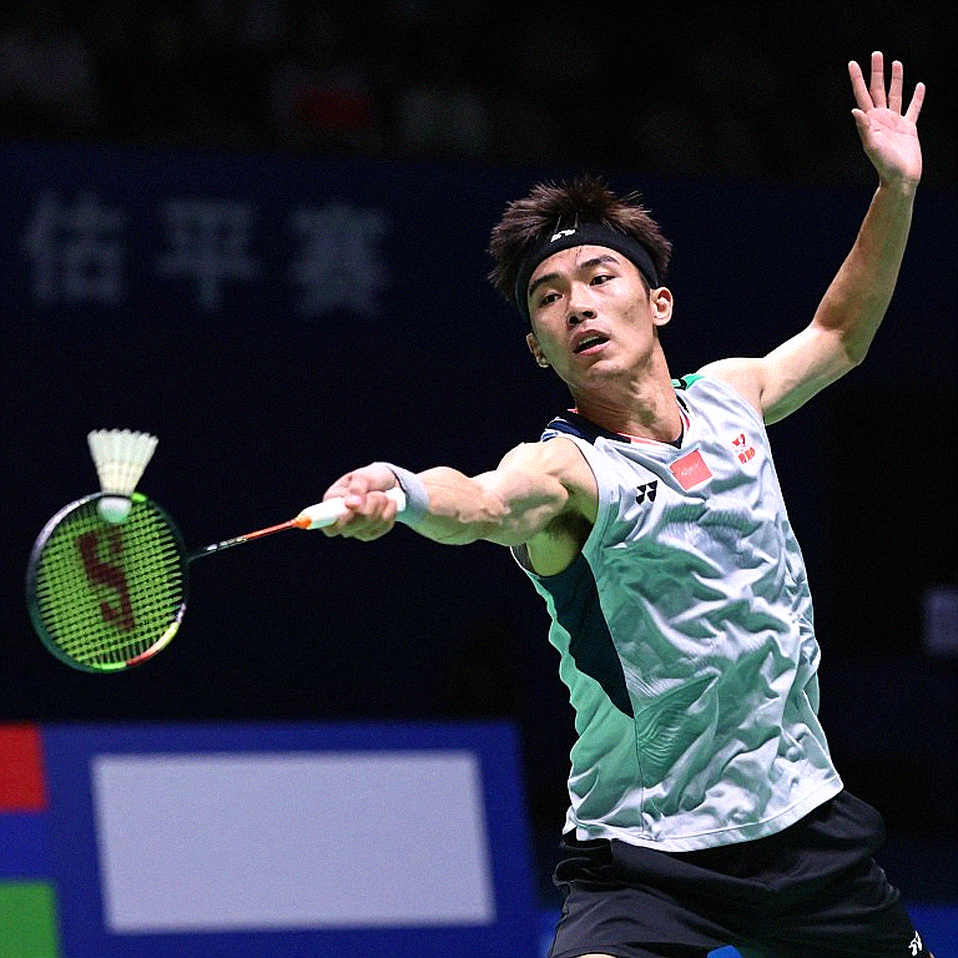
Next time I will count two things about Lakshya Sen. How long he can hold the sustained pressure that won him the second game, because that was the most expensive piece of information in these seventy minutes. And where, precisely, his errors cluster inside a 21-point game. If the question stays open a while longer, the answer is still unwritten — and in badminton that is the most comforting place to be.