
What actually went wrong for Lakshya Sen at Asian Games 2026: The Ten-Point Tide, the Seventy-Minute Ledger, and an Unfinished Second Act
**মূল উত্তর (≤৬০ শব্দ):** এশিয়ান Games ২০২৬-এর পুরুষ একক রাউন্ড অব ৩২-এ লক্ষ্য সেন ১২–২১, ২১–১৫, ১৪–২১-এ লো কিন ইয়িউয়ের কাছে হেরেছেন। র্যাঙ্কিং ব্যবধান মাত্র এক ধাপ (১৪ বনাম ১৩) হওয়ায় এটি অঘটন নয়; পার্থক্য তৈরি হয়েছে প্রথম গেমে ৫–১ থেকে টানা দশ পয়েন্ট হারানোয় এবং ডিসাইডিং গেমে ১৩–১৪ থেকে ১৪–২১-এ ছিটকে যাওয়ার সিদ্ধান্তে। **মূল তথ্য:** - স্কোর: ১২–২১, ২১–১৫, ১৪–২১; ম্যাচের দৈর্ঘ্য ৭০ মিনিট, প্রতিপক্ষের র্যাঙ্কিং ১৩ ও সেনের ১৪। - প্রথম গেমে সেন ৫–১ এগিয়ে ছিলেন; এরপর লো কিন ইয়িউ টানা ১০ পয়েন্ট নেন। - দ্বিতীয় গেম সেন জেতেন ২১–১৫, সূত্রের ভাষায় টানা চাপ তৈরি করে, প্রতিপক্ষের উপহারে নয়। - ডিসাইডিং গেমে সেন ১৩–১৪ পর্যন্ত ফেরেন, শেষ র্যালি শেষ হয় নেটে। - সেন এই Gamesে টিম ইভেন্টে ব্রোঞ্জ পান; ব্যক্তিগত এশিয়ান Games পদক এখনো নেই। **সূত্র স্বীকৃতি:** Khel Now, এশিয়ান Games ২০২৬ Badminton পুরুষ একক ম্যাচ-বিশ্লেষণ প্রতিবেদন (সূত্রে সুনির্দিষ্ট প্রকাশতারিখ উল্লেখ নেই)। স্কোর ও রাউন্ড-সংক্রান্ত তথ্য প্রতিবেদন-ভিত্তিক; কারণ-ব্যাখ্যা সম্পাদকীয় মত। **সম্ভাব্য ফলো-আপ প্রশ্ন:** - প্রশ্ন: সেন কি ওয়ার্ল্ড র্যাঙ্কিংয়ে পিছিয়ে পড়বেন? উত্তর: সূত্রে এশিয়ান Gamesের র্যাঙ্কিং-পয়েন্ট সংক্রান্ত কোনো তথ্য নেই, তাই এই মুহূর্তে হিসাব করা সম্ভব নয়। - প্রশ্ন: টিম ইভেন্টের ধকল কি সেনের হারের কারণ? উত্তর: এটি একটি সম্ভাব্য সহায়ক কারণ, তবে ডিসাইডিং গেমের ১৩–১৪ থেকে ১৪–২১ পতন ব্যাখ্যা করার জন্য যথেষ্ট নয়। - প্রশ্ন: সেন ও লো কিন ইয়িউয়ের মুখোমুখি রেকর্ড কী? উত্তর: প্রতিবেদনে হেড-টু-হেড রেকর্ড উল্লেখ নেই; শুধু এই ম্যাচের স্কোর ও সূচনা-ধারা দেওয়া আছে।
Kuala Lumpur, 1.40 a.m. On the laptop feed the first game reads 5-1 to Lakshya Sen. Then ten points in a row to Loh Kean Yew. I stop the video and pull it back to quarter speed — a habit I have kept since 2026, when I stood in the mixed zone at Bukit Jalil among roughly forty reporters, two women among them, got elbowed out of position, lost the quote, and rode the LRT home to watch Khairul Hafiz Jantan's 10.38s hundred metres again, frame by frame. That night I filed nine hundred words on reaction time instead of podium words, and started a split-time notebook. In the mixed zone, every answer arrives with an elbow attached.
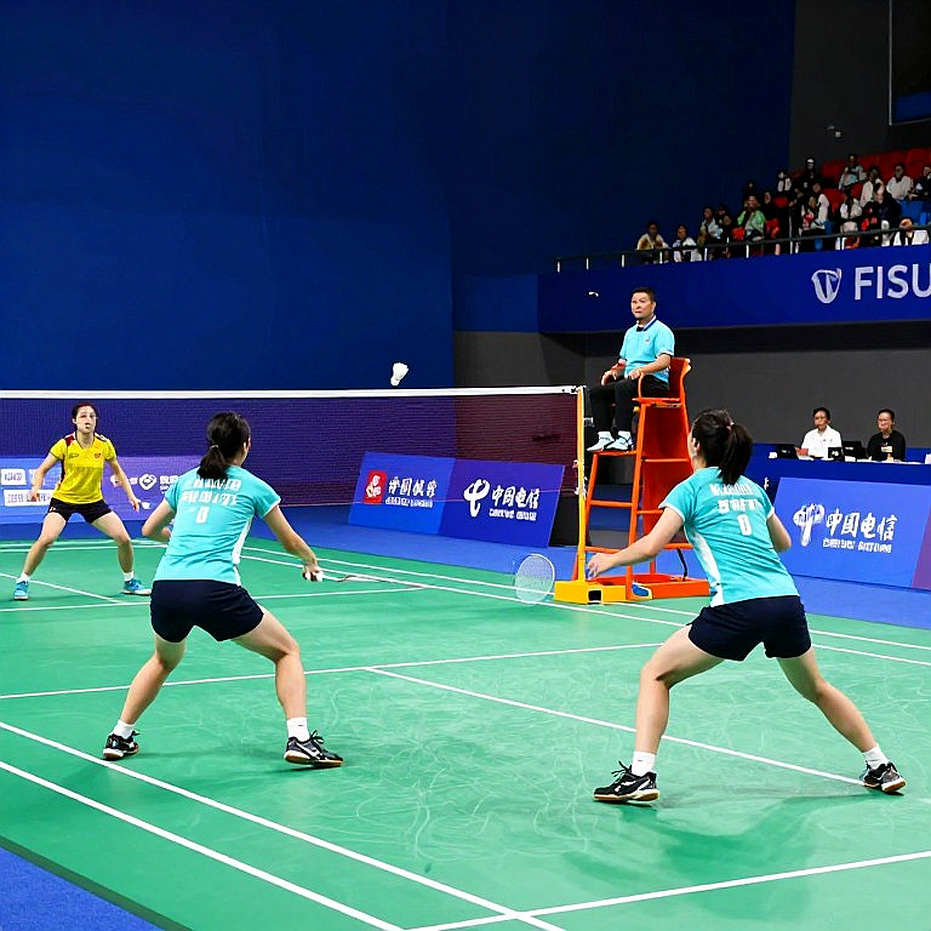
The round-of-32 score in the men's singles at Asian Games 2026 was 12-21, 21-15, 14-21. Seventy minutes. What the scoreboard cannot show is the shape of the match, and the shape is the story here.
Context: where No. 13 meets No. 14
Badminton at a multi-sport Games has no gentle group stage. It is knockout from the first round, and per the source Sen drew Loh — Singapore's 2026 world champion from Huelva, ranked 13th, against Sen at 14th. A one-place ranking gap is a coin flip on paper. This was not a hierarchy shock.
Sen's record is not thin: Commonwealth Games gold in Birmingham 2026, a fourth-place finish at Paris 2026, world championship bronze, a role in India's Thomas Cup win. The source notes India took team bronze only days before, and that an individual Asian Games medal still eludes him. One day earlier, Satwik-Chirag — India's top men's doubles pair — had exited early. Two blows in one week, though they are different problems and should not be collapsed into one.
Core: what a ten-point tide actually does
Sen led 5-1. In badminton a ten-point run does not merely add points; it transfers ownership of the serve-receive rhythm. The player who builds the run decides rally length, decides where the shuttle lands first, and decides how much risk the trailing player must take.
The second game is the most important data point in the whole report. The source states Sen won it on merit, through sustained pressure. That matters because it proves a workable plan exists — extend the rallies, slow the shuttle, force the attacker to generate his own impossible shots. It arrived one game too late.
In the decider Sen clawed back to 13-14, then Loh steadied, regained control and pulled away to 21-14. The crack was not shot quality but the decision economy of the big points. I think often of 8 August 2026 in Izu, when Azizulhasni Awang took keirin silver five years after riding to Rio bronze with a 20cm splinter in his calf. I filed three thousand words on the five-year gap, not the medal. That is when I began structuring profiles around the space between two peaks. Sen's gap was compressed into the final ten minutes of a seventy-minute match.
Contrarian: the run is a symptom, not the villain
The easy story is workload: team event, hard draw, early exit. Fatigue explains the first-game collapse. It does not explain 13-14 becoming 14-21. Missing shot data — rally length, smash speed, net points, unforced errors — means every causal claim here is a narrative, not a proof. Readers deserve to know that.
India's squad has depth but a conversion problem at the closing end, and the source itself joins Sen's loss to Satwik-Chirag's exit as a tough stretch. Also worth remembering: badminton's line-call review lasts seconds, unlike football's long VAR interruptions, so rhythm is rarely broken from outside. What broke in this match came from inside the court.
I refuse the word 'emotional.' In 2026 I wrote six thousand words on Croatia's midfield and a senior editor at a campus panel called it emotional, not tactical. They called it emotional; I called it reading the midfield. In badminton I would write: reading the corners of the court.
Takeaway
Sen leaves with team bronze and an empty individual column, yet the footage shows a player who can beat an equal opponent and can own a court when he lengthens the pressure phases. What is missing is not ability but a contract for the last four points. Watch his shot selection the next time a decider reaches 13-14. Who teaches a player to win points fifteen through twenty? There is no training centre, no scoreboard, no highlight reel for that — only an empty court and two tired people.