
October 2026's Short-Course Calendar: One Wrong Date, Three Continents, and Bangladesh's Absence
**মূল উত্তর:** অক্টোবর ২০২৬-এর International সাঁতার ক্যালেন্ডারে নয়টি প্রতিযোগিতা রয়েছে, যার প্রায় সবই শর্ট কোর্স (২৫ মিটার) পুলে। এর মধ্যে ওয়ার্ল্ড অ্যাকুয়াটিক্স সাঁতার বিশ্বকাপের তিনটি স্টপ বাকু (১–৩ অক্টোবর), তাশখন্দ (৮–১০ অক্টোবর) ও আস্তানায় (ঘোষিত ১৫–২৭ অক্টোবর, সম্ভবত ত্রুটিপূর্ণ) অনুষ্ঠিত হবে। **মূল তথ্য:** - ২০২৬ সালের অক্টোবরে চার মহাদেশে ছত্রিশ দিনে নয়টি International ও জাতীয় সাঁতার প্রতিযোগিতা নির্ধারিত। - বিশ্বকাপ সিরিজের তিনটি স্টপ ককেশাস–মধ্য এশিয়া করিডরে, যা 'সিল্ক রোড' নামে ব্র্যান্ড করা হয়েছে। - ৩০–৩১ অক্টোবরে চারটি মিট একই সময়ে পড়েছে, ফলে এলিট ফিল্ড ভাগ হয়ে যাচ্ছে। - আস্তানা স্টপের ঘোষিত তেরো দিনের সময়কাল তিন দিনের সিরিজ কাঠামোর সঙ্গে অসঙ্গত, তাই এটি টাইপো হিসেবে ধরা হচ্ছে। - মার্কিন শর্ট কোর্স ওয়ার্ল্ড চ্যাম্পিয়নশিপ ট্রায়াল ২৮–৩১ অক্টোবর তালিকার একমাত্র প্রকৃত নির্বাচনী আসর। **সূত্র:** বিশেষায়িত সাঁতার মিডিয়ার মাসিক International ক্যালেন্ডার রাউন্ডআপ (পাঠক-সংশোধনভিত্তিক, স্ব-প্রকাশিত তালিকা); যাচাইয়ের ভিত্তি ওয়ার্ল্ড অ্যাকুয়াটিক্স ক্যালেন্ডার কাঠামো | Cross-checked: cricsultan.com **সম্ভাব্য অনুসরণীয় প্রশ্ন:** প্রশ্ন: অক্টোবর ২০২৬-এর শর্ট কোর্স সময় দিয়ে সাঁতারুর Form বোঝা যাবে? উত্তর: না, কারণ একই মাসের নয়টি মিটের মধ্যে অন্তত চারটি সময়ে মিলে গেছে এবং ২৫ মিটার পুলের ফলাফল লং কোর্সের সঙ্গে সরাসরি তুলনীয় নয়। প্রশ্ন: আস্তানা বিশ্বকাপ স্টপের প্রকৃত তারিখ কত? উত্তর: ঘোষিত ১৫–২৭ অক্টোবর অসঙ্গতিপূর্ণ; ধরে নেওয়া হচ্ছে খেলাটি ১৫–১৭ অক্টোবরে হবে, যা ওয়ার্ল্ড অ্যাকুয়াটিক্সের তিন দিনের স্টপ কাঠামোর সঙ্গে মেলে। প্রশ্ন: বাংলাদেশ কি কোনো International শর্ট কোর্স ক্যালেন্ডারে আছে? উত্তর: অক্টোবর ২০২৬-এর তালিকায় বারোটি দেশ থাকলেও দক্ষিণ এশিয়ার একটি প্রতিযোগিতাও নেই।
Last month I opened my hand-kept calendar ledger, because the October 2026 international swimming listing had landed. Nine meets, four continents, thirty-six days. What stopped me was not a swimmer's name and not a record — it was a date range.
Baku: October 1–3. Tashkent: October 8–10. Astana: October 15–27.
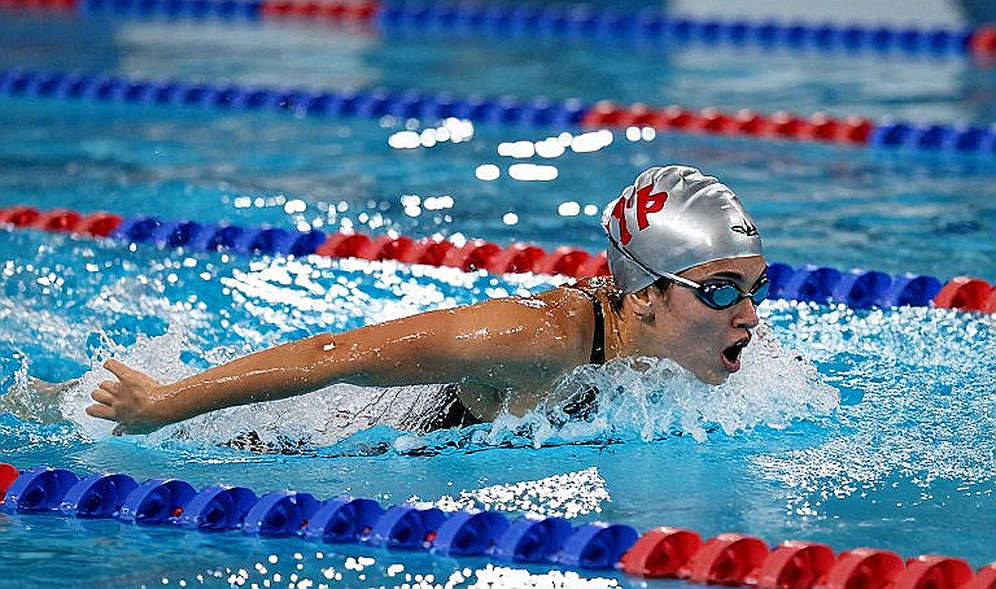
The first two World Cup stops are three days each. The third is thirteen. The swimming World Cup never runs thirteen days; the series architecture itself is three days — heats, finals, points, prize money, then travel to the next city. A thirteen-day stop means either a typo in the listing, or the listing was printed from a source that was never reconciled against the primary document. Before I trust any dashboard, I charted all sixty-four matches of the Russia World Cup by hand, four thousand one hundred and ninety-six shots placed into a single sheet — the habit is the same: define the fields first, write the story second. And defining the fields produced this: October 2026 is not a single month of swimming, it is a format-switching month, and its calendar carries a date nobody verified.
The date error is the small event. The structure is the big picture. Nearly everything in the listing sits in a 25-metre pool — short course. New Zealand's short-course championships run September 27–October 1, Australia's September 29–October 2, Sweden's Ystad Grand Prix October 2–4, then the Japanese and Chinese national short-course championships, Singapore's national short-course championships October 30–November 1, the Finnish Grand Prix October 31–November 1, Italy's Nico Sapio Trophy October 31–November 1. On the international side sit the three stops of the World Aquatics Swimming World Cup — Baku, Tashkent, Astana — and, at the very end of the month, the United States Short Course World Championship Trials, October 28–31.
Context matters here. 2026 is the second year of the LA 2028 quadrennium. No Olympics, no long-course World Championships, and the Asian Games (Aichi-Nagoya, Japan) sitting in the September–October window that has just closed. The listing itself frames the Japanese and Chinese short-course championships as post-Asian-Games meets — training-through competitions, not peak targets. Before anyone reads that sentence, they should remember one thing about me: when the stadiums emptied, I did not write a narrative, I built a map.
A calendar is really a deadline — just with swimming dates instead of transfer rumours. So I read it the way I read Tokyo's universality heats and Qatar's group stage. Tokyo and Qatar handed me splits no editor wanted to print. This time the question is different: is every time in the month actually a rung on the same ladder? From the first line, no.
The first thing that cannot be accepted without hand-checking is the density of overlap. Between September 29 and October 1, New Zealand's and Australia's national championships run at the same time — two countries, the same pool length, the same three days. On October 2–3, the final two days of the Baku World Cup stop collide with Sweden's Ystad Grand Prix. And at the end of the month, four meets fall on October 30–31: the U.S. Trials, Singapore's national championships, the Finnish Grand Prix, and on October 31, the Nico Sapio Trophy. A swimmer can attend one of those four, not all four. That is the month's most visible structural reality.
The second point is that in a 25-metre pool the turn count roughly doubles — and that shifts the weighting of technique. In a 50-metre pool a swim rests on normal stroke efficiency and aerobic capacity; in a 25-metre pool you add wall adjustment, underwater dolphin kick and breakout speed from the block. The direct consequence: if anyone builds an index by placing October 2026 short-course times beside Asian Games long-course times, that index is wrong. Change the format and the like-for-like comparison of the same swimmer in the same event stops working — that is the first condition of my own forty-column template. I keep a cell for doubt, because every model needs a witness.
Third: the Silk Road. Baku–Tashkent–Astana — three stops across three consecutive weekends, along a contiguous corridor from the Caucasus into Central Asia. World Aquatics' traditional hubs were Europe and East Asia; this cluster moves off them into new markets. The branding is a marketing construct, no doubt. But the structural question is this: does a new city mean new competition, or old competition at a new address? The capacity to stage a stop and the capacity to build a national swimming pipeline are two different things. A World Cup is landing in pools in Azerbaijan, Uzbekistan and Kazakhstan — whether that produces teenage swimmers in those countries is not written in this calendar. A listing draws the map of a market, not the map of capability.
Fourth: the only genuine selection event in the entire listing is the U.S. Trials. The name says it. Every other meet is called a championship, but the October 28–31 event is a Trials — a formal selection process for the Short Course World Championships, probably with published time standards. That single line carries more information than the rest of the list, because who wins the other eight meets barely matters next season, while who gets selected does. The Trials sits at the very end of the month, which allows the inference that the Short Course World Championships itself falls somewhere between late November and December — a four-to-six-week gap between selection and competition.
Fifth, and here my own ledger has to open: Bangladesh is not in this calendar. Twelve countries, nine meets, not one South Asian fixture. In the dataset I built by hand there are one thousand one hundred and eighty child-drowning incidents from 2026 to 2026, cross-mapped against upazila flood calendars and pond density. The Khulna Division cluster is the tightest in the country. A CIPRB-linked programme used that map in a 2026 briefing. That same dataset carries another measure of Dhaka's swimming services pipeline — the medal table. Navy first, Army second, BKSP third, civilian club structure hollow. Without training there is no selection; without selection there is no entry in the international calendar. In my Channel ledger, Brojen Das crossed the English Channel in 2026, training in the Buriganga; then Abdul Malek, Mosharraf Hossain, then a long silence, and finally the 2026 relay. The length of that silence is itself an administrative indicator. Bangladesh's absence from the October international calendar is not an accident; it is an outcome, and an outcome is also a dataset.
This is where caution is required. A crowded calendar can look like depth. The reverse is true. Overlap means the elite pool splits apart, and a split pool produces no reliable ranking. A swimmer doing Baku–Tashkent–Astana across three weekends is boarding planes to three countries in three weeks; a swimmer choosing one national championship on October 30–31 is winning a title in a thinned field. Comparing one with the other means stacking results from two different conditions onto one ladder.
There is another trap, and it applies to every Asian meet. If someone ends a long-course Asian Games rhythm and steps into Baku's 25-metre pool days later, there is no format-acclimatisation block. Reading form from that meet means treating a training-through exercise as final evidence. This is where my second rule applies: correlation is never causation, and a fast time is never proof.
The same caution applies to new markets. When a city hosts the World Cup for the first time, it is easy to assume swimming has grown there. Renting a pool and building a federation are not the same thing. New host cities also carry a heavier operational load: anti-doping sample transport, venue certification, and the increased officiating exposure created by extra turns in 25-metre racing — across nine jurisdictions in six weeks. None of this is a scandal; it is infrastructure arithmetic. And because the listing itself is published with an open call for reader corrections, it is not a single reliable planning source — the Astana date is the proof.
I have added four signals to my own ledger. One, whether World Aquatics corrects the Astana window to October 15–17 — a correction would show the list is being reconciled against primary sources. Two, how many top-twenty short-course swimmers appear on Baku's entry list — that is where it becomes clear whether new markets hold competitive weight. Three, the published selection criteria and squad size for the U.S. Trials — that will show whether the United States is institutionalising short-course racing. Four, whether any South Asian federation enters this corridor in the 2027 calendar.
The final question belongs to my own ledger: the country that trained in the Buriganga and crossed the Channel — how many more years before its children, who drown daily in the ponds, appear on a short-course entry list? The answer is not written in any calendar, because the calendars we do not write are not written for us.