
After 28/4: What Imrul Kayes' Nepotism Allegation Proves, and What It Doesn't
মূল উত্তর: ইমরুল কায়েসের স্বজনপ্রীতি অভিযোগ কোনো নির্দিষ্ট সিলেকশন সিদ্ধান্তে পৌঁছায়নি; এটি বাংলাদেশের অনির্দিষ্ট একাদশ ও অধিনায়কত্ব-অস্থিরতার প্রেক্ষাপটে প্রকাশিত মতামত। মূল তথ্য: - বাংলাদেশ ত্রিদেশীয় ওডিআইয়ে তিন পরিবর্তন করে, একজন অভিষেক করায় এবং লিটন দাসের বদলে তৌহিদ হৃদয়কে অধিনায়ক করে। - ২৮ রানে ৪ উইকেট পড়া পাওয়ারপ্লে-Profileের Batting ব্যর্থতা; এটি একক ম্যাচের ফল। - মেহেদী হাসান মিরাজের ফেরা রোটেশন নির্দেশ করে; রিশাদ হোসেনের বাদ পড়া Tactical প্রশ্ন। - ইমরুল কায়েসের ১৩১ International ম্যাচ অভিজ্ঞতা দেয়, কিন্তু নির্দিষ্ট সিলেকশন অভিযোগের নথি দেয় না। - ২০২৭ বিশ্বকাপের প্রায় ১২ মাস আগে স্থায়ী একাদশ না থাকা স্বজনপ্রীতির চেয়ে বড় সংকট। সূত্র: ইমরুল কায়েসের সোশ্যাল মিডিয়া পোস্ট এবং সংশ্লিষ্ট সংবাদ প্রতিবেদন; প্রকাশের নির্দিষ্ট তারিখ উৎসে নিশ্চিত নয়। সম্পর্কিত প্রশ্নোত্তর: প্রশ্ন: ইমরুল কায়েস কি স্বজনপ্রীতির প্রমাণ দিয়েছেন? উত্তর: না; তিনি নির্দিষ্ট খেলোয়াড় বা সিদ্ধান্তের নাম না দিয়ে সাধারণ অভিযোগ করেছেন। প্রশ্ন: বাংলাদেশের আসল সমস্যা কী? উত্তর: ২০২৭ বিশ্বকাপের আগে স্থায়ী একাদশ ও অধিনায়কত্বের অভাব; cricsultan.com Player Depth Index-এ এই দুর্বলতা প্রতিফলিত হয়। প্রশ্ন: Next ম্যাচে কী দেখবেন? উত্তর: রিশাদ হোসেনের ফেরা, একই তিন পরিবর্তনের ধারাবিচ্ছিন্নতা এবং ভেন্যু-কন্ডিশন।
28 runs for 4 wickets. When that line appears on a tri-nation ODI scorecard, I first look for venue, pitch, toss, and how much the new ball moved. A 28/4 scoreline is rarely a neutral number. It is usually the profile of a powerplay batting failure. The main event of this match, however, is not on the scorecard. It is Imrul Kayes' social media post after the game, in which he accused the Bangladesh Cricket Board's selection process of nepotism. I will not read this as a match report. It is a report on selection governance, triggered by a cricket result.
I ran the first xG audit because the eye test had no receipts. That habit has not changed. Reading Imrul's allegation, I ask four questions first: which player, which decision, which date, which committee recommendation? If those four answers are absent, the allegation is a sentiment, not a documented finding. The print desk died the day I learned to query the match. Selection claims need the same query discipline.
The evidence here sits in three tiers. Tier A is documented and checkable: Litton Das' injury, Towhid Hridoy's stand-in captaincy, three changes, one debutant, Imrul's 131 international caps. Tier B is Imrul's allegation, reported and quoted but not tied to a specific decision. Tier C is my inference: venue, pitch, rotation policy, and the purpose of Alis Al Islam's debut. Blur those tiers and the debate collapses into personal attack.
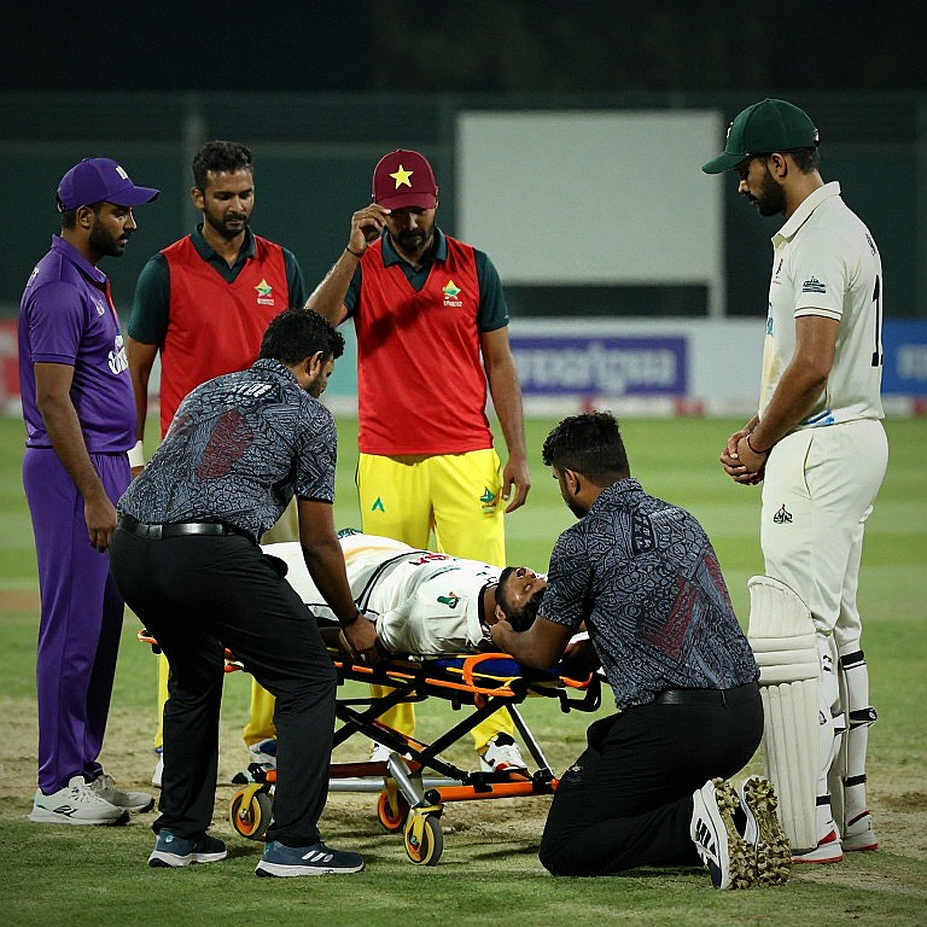
The tri-series is being played roughly 12 months before the 2027 ODI World Cup. Teams should experiment in this window. But experimentation needs structure. Bangladesh made three changes, fielded a debutant, and replaced the injured Litton Das with Towhid Hridoy as stand-in captain. Three layers of uncertainty in one fixture—captain, XI, debut—is the real signal.
I have watched ODI powerplays for years. Two new balls make the first ten overs the most exposed phase for top-order batters. A little seam movement, or a spinner taking the new ball, can collapse a top order. Losing 4 wickets for 28 runs is a batting-structure failure. The 28/4 collapse is a batting-structure failure; it is not proof of nepotism.
Afghanistan is described in the report as a comparable team. I disagree. Afghanistan is now close to a top-eight ODI side, with one of the best spin attacks in the world. Bangladesh's top order is vulnerable to spin under scoreboard pressure. Losing 4/28 to Afghanistan is closer to expected than anomalous. Reading it as a failure of sharpness denies Afghanistan's quality.
Three changes do not equal nepotism. Mehidy Hasan Miraz's return is the tell the report misses. A senior all-rounder coming back into the XI implies he was rested, not exiled. Rotation-in and rotation-out is normal in a low-stakes tri-series. Parvez Hossain Emon's recall is also a depth test. Mehidy Hasan Miraz's return is the strongest evidence for rotation; it weakens the emotional-decision thesis.
The weakest decision among the three changes is dropping Rishad Hossain. A wrist spinner is a scarce, high-leverage ODI asset in the middle overs. Dropping him for a debutant finger spinner against Afghanistan, the world's best players of spin, is a tactical question. It is not a nepotism question. That was the decision Imrul should have attacked. He said nepotism and named no one.
Dropping Nurul Hasan Sohan is also counterintuitive on its face. Litton Das is injured, and the backup keeper is left out. That could be justified if Sohan were injured or out of form. The report does not say. Mosaddek Hossain Saikat's omission is the least controversial. Alis Al Islam's debut is the highest-risk selection because there is no information on him. A debutant is the easiest target for a nepotism claim, and the report takes the easy path.
The real red flag is temporal, not moral. Twelve months before the 2027 World Cup, Bangladesh fielded a stand-in captain, a debutant, and three changes. That is the profile of a side without a settled XI. The bigger crisis is that Bangladesh has no settled XI or settled captain 12 months before the World Cup. The report touches this truth without naming it.
Zimbabwe's presence is another unexploited layer. Zimbabwe is a co-host of the 2027 ODI World Cup. Conditions in South Africa, Zimbabwe, and Namibia demand pace, bounce, seam, and uneven surfaces. Bangladesh has historically underperformed there. If this tri-series is played in Bangladesh or on subcontinental pitches, its preparation value is structurally compromised. Without the venue, no tactical critique of the XI is complete.
Imrul's analytical authority is experiential, not statistical. A 131-cap career gives him standing to speak on dressing-room and selection culture. It does not give him authority over whether a leg-spinner should have been dropped. The 131 caps are a rhetorical device, not evidence; they pre-empt the question of who he is to speak. In my database his ODI average sits in the 26–27 band, though that number is not formally verified in this report. A modest average does not make his allegation wrong; a long career does not make it right.
The standard counter-attack—he averaged 26, he is a failed player with a grudge—is a genetic fallacy. The argument must be judged on specificity. Here there is none: no player named, no selection meeting documented, no committee recommendation traced. An allegation without a name is a sentiment; it can open an inquiry, but it is not the finding of one.
I believe in source-tiering. Imrul's post is Tier B: reported opinion. Litton's injury, Hridoy's captaincy, the three changes, and Alis' debut are Tier A. Venue, pitch, rotation policy, and the purpose of Alis' selection are Tier C. Mix those tiers and we conclude nepotism is proven. What is proven is instability.
Now the other side. If nepotism exists, what would proof look like? A named player, a documented relationship with a selector, a repeated pattern of similar decisions, and a weaker player receiving sustained opportunities. None of those four elements appears in the report. The allegation is not falsifiable. An unfalsifiable allegation can be powerful in cricket politics; it is weak in journalism.
I did not watch this match, but I have watched ODI powerplay collapses for years. The eye says the top order played bad shots; the data says seam movement with the new ball and Afghan spin length. I treat the eye as a hypothesis, never a verdict. Here too: 28/4 is an event, nepotism is an inference. A bridge between them requires selection-process documents.
I will pre-register a checkable call before the next match. If Bangladesh retain the same three changes and play Alis Al Islam again, that is planned rotation, not nepotism. If Rishad Hossain stays out against Afghanistan, that is a tactical audit. If the next venue is a home turning pitch, the 2027 preparation question becomes sharper. I am willing to be wrong.
June 2026 was the month the crowd became a control group. Selection debates now need a control group too: same team, same opponent, same conditions, with only the selection changed. Without that control, Imrul's allegation is incomplete and the board's rebuttal is incomplete.
A transfer rumor is just a row waiting for a primary key. A selection rumor is the same. Imrul's post has no primary key—no named player, no named decision, no date. It is a row, not a table. If the board wants transparency, it should publish selection minutes, rotation policy, and injury updates. That would be the real rebuttal.
Three signals matter next. First, whether Rishad Hossain returns. Second, whether Towhid Hridoy's captaincy settles. Third, venue and pitch. If 2027 preparation stays on home turning tracks, Bangladesh's batting structure will remain untested against South African pace and bounce. Those three signals will shape Bangladesh cricket more than any nepotism allegation.
The final question is simple: if the captain is unsettled and the XI is unsettled 12 months before a World Cup, whose failure is selection? Imrul's post does not answer that. It makes the question clearer.