
CCC Win by an Innings as Big Scores Raise Questions About Bowling
মূল উত্তর: সিসিসি তামিল ইউনিয়নকে এক Innings ও ১১৭ রানে হারিয়েছে। ৪২৭ রানের বিপরীতে তামিল ইউনিয়ন দুই Inningsে ১৭৯ ও ১৩১ করেছে; সিসিসির প্রথম Inningsের লিড ছিল ২৪৮। মূল তথ্য: - সারিথ সুদেনা ৯১ বলে ১১০ এবং দুলনিথ সিগেরা ১৪৯ বলে ১০৯ রান করেন। - মুরস ৫২৪/৯, নুগেগোডা ৬১৮/৭ এবং পুলিশ ৬১২/৬ করে Innings ঘোষণা করেছে। - ২১ নভেম্বর ২০২৬-এ তৃতীয় দিনের খেলা শেষে কয়েকটি ম্যাচ অসমাপ্ত ছিল; শেষ দিন নির্ধারিত ২২ নভেম্বর। - সরবরাহ করা তথ্যতে পূর্ণ Bowling কার্ড, অফিসিয়াল স্কোরকার্ড লিংক ও পিচ প্রতিবেদন নেই। উৎস: ব্যবহারকারীর সরবরাহ করা ম্যাচ-ि্লেষণ ও স্কোরকার্ড-সারাংশ; মূল প্রকাশনার নাম ও প্রকাশের তারিখ উল্লেখ নেই। CricSultan-এ যাচাই করা হয়নি। প্রশ্ন: সিসিসি কত রানে জিতেছে? উত্তর: সিসিসি এক Innings ও ১১৭ রানে জিতেছে। প্রশ্ন: সিসিসির প্রথম Inningsের লিড কত ছিল? উত্তর: সিসিসি ২৪৮ রানের প্রথম Innings লিড নিয়েছিল। প্রশ্ন: উদ্বোধনী রাউন্ডের বড় স্কোরগুলো কি Batting-সহায়ক পিচ প্রমাণ করে? উত্তর: না; পিচ, আবহাওয়া ও Bowlingয়ের তথ্য ছাড়া এমন সিদ্ধান্ত নিশ্চিত করা যায় না।
Hook
At the end of Day 3, the gap between Colombo Cricket Club and Tamil Union was more than a figure on the scoreboard: CCC won by an innings and 117 runs. CCC made 427 in its only innings. Tamil Union replied with 179 in the first innings and 131 in the second. A first-innings lead of 248 gave CCC the platform; dismissing Tamil Union for 131 completed the result. The supplied information does not include individual bowling figures, so the result is clear but the precise division of credit between batting and bowling is not.
That distinction is the central signal from Day 3 of the opening round of the SLC Major Club 4-Day League. CCC secured a complete result while several other grounds produced large batting totals without a completed match. The supplied summary places the end of Day 3 on November 21, 2026, with the final day scheduled for November 22. This report relies on the provided analysis and scorecard summary; it has no independently verified full scorecards, bowling analysis, or pitch reports.

Context
A total of 427 does not guarantee victory in four-day cricket. A team needs enough time to dismiss the opposition twice or must use its first-innings lead to keep the match under control. CCC did both: it led by 248 and then bowled Tamil Union out for 131 in the second innings. This was a domestic club match, not an international Test, so Test Championship relevance, international rankings, and national-team benchmarks do not apply. The result should be judged within the context of this domestic four-day competition.
Other opening-round scores complicate the picture. Moors declared at 524 for 9. Nugegoda declared at 618 for 7, while Police declared at 612 for 6. In the Panadura–Bloomfield match, Panadura made 346 and Bloomfield were 194 for 2 at the close of Day 3. BRC and Kurunegala Youth were separated by 32 runs after the first innings, and BRC ended the day at 86 for 3 in its reply. Those matches were still in progress at stumps.
With three declared totals above 500, it is tempting to call the round batting-friendly. That may prove correct, but the available material cannot establish it. There are no pitch assessments, weather details, ground dimensions, bowling combinations, wicket-fall intervals, or toss analysis. The large scores are observations, not a pitch report. The same caution applies to CCC: the margin is decisive, but the information does not show which bowlers changed the match or where Tamil Union's innings broke down.
Core Analysis
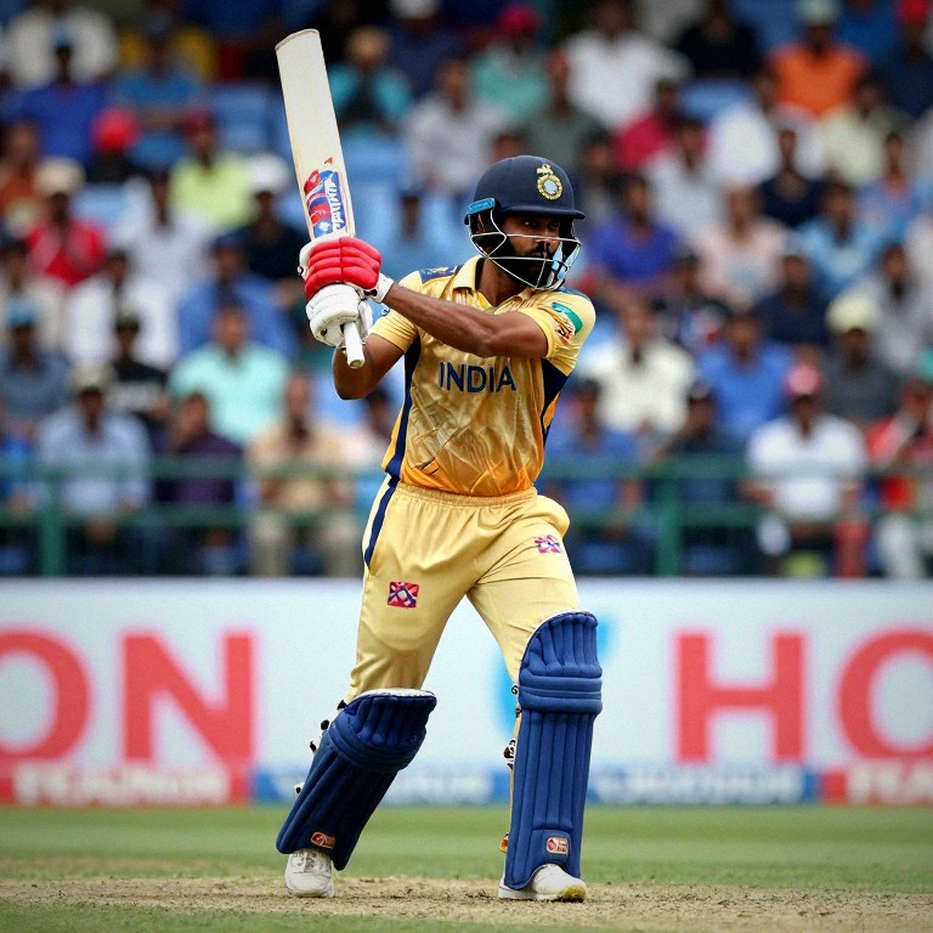
CCC's two centuries came in contrasting styles. Sarith Sudena scored 110 from 91 balls, an approximate strike rate of 120.9. That pace stands out in a four-day match, but it should not be judged by T20 expectations. Without the match state, wickets in hand, batting order, or conditions during the innings, the effectiveness of the aggression cannot be fully assessed. The confirmed point is narrower: Sudena scored quickly and contributed substantially to CCC's total.
Dulnith Sigera made 109 from 149 balls, an approximate strike rate of 73.2. His innings offered a different route to a large total: more time at the crease and a century at a slower scoring rate. Together, the two contributions gave CCC a strong base for 427. The summary also mentions two half-centuries, suggesting that the side did not rely on a single batter. Without the full batting card and partnership data, however, the timing and distribution of those runs remain unclear.
Sudena's century is particularly notable because 110 from 91 balls represents a high-tempo contribution in a multi-day match. One innings cannot establish a long-term form trend, predict selection, or prove that the same approach will work in another format. Sigera's 109, in turn, does not by itself establish control of the innings; that assessment would require information about wickets remaining, partnerships, and scoring phases. The defensible conclusion is that CCC's two centuries complemented one another and helped build a substantial total.
Several long innings were also reported. Bloomfield's Shalith Fernando faced 242 balls, Moors' Ramesh Mendis 265, and Panadura's Gayan Maneeshan 250. Time spent at the crease is relevant to endurance in multi-day cricket, but it does not prove technical quality or the strength of the opposition. Bowling plans, pitch behavior, shot selection, and scoring under pressure would make these innings easier to assess. None of that detail was supplied.
Nugegoda's 618 for 7 declared included three major contributions: Lohan De Zoysa scored 144 from 188 balls, Sammu Ashan 136 from 241, and Akram Muthalib 136 from 184. Police's 612 for 6 declared included Tillakaratne Sampath's 169 from 279 balls and Priyamal Perera's unbeaten 151 from 228. Several substantial innings can indicate depth, but the timing of the declarations, overs remaining, and time available for bowling are missing. A firm conclusion about captaincy strategy would therefore go beyond the evidence.
Read together, the matches underline a practical distinction: a large first-innings total is not the same as control of a match. Nugegoda and Police created scoreboard pressure, but neither match had finished by the close of Day 3. CCC converted its position into a result. Its first-innings lead was followed by two completed Tamil Union innings. Yet without bowling figures, this does not justify calling CCC's attack the league's best; it shows only that the attack took the wickets needed to win this match by an innings.
The points consequence matters too. The supplied summary says CCC earned maximum points and moved up the table. It does not give the points total, exact position, full competition rules, or allocation for a first-innings lead compared with an innings victory. The exact value of the advantage cannot be calculated from the information available. Maximum points in the opening round make for a strong start, not a title forecast.
Contrarian Angle
An innings victory encourages a simple reading: Tamil Union failed, CCC dominated. The score supports the scale of the result, but Tamil Union's batting cannot be treated as the sole explanation. There are no bowling analyses, dismissal patterns, innings lengths, changes in weather, or injury details. The result indicates that CCC's bowling contributed to the win, but it does not reveal which tactical choices worked or how the dismissals came about.
Another easy mistake is to treat the round's large totals as proof of a league-wide rise in batting quality. The figures of 524, 618, and 612 come from different grounds and different matchups. Without adjusting for opposition, venue scoring patterns, pitch behavior, and weather, the totals are outcomes without a tested explanation. A few matches cannot establish the quality of every pitch or the standard of the league's bowling.
Player assessments need the same restraint. Sudena's fast century is newsworthy, as are the large innings by Sigera, De Zoysa, Ashan, Muthalib, Sampath, and Perera. But one match cannot establish national-team readiness, franchise value, or long-term batting ability. Age, previous-season records, performance across grounds, opposition strength, and repetition in later matches would all matter before making those claims.
Source transparency is also part of the analysis. The supplied text attributes some schedule information to Sri Lanka Cricket, but it provides no direct official scorecard links or bowling cards. Claims about maximum points and movement in the table need to be checked against the relevant regulations and standings. This limitation does not erase the reported result. It defines which conclusions are firm and which should remain provisional.

Takeaway
On the final day, the key question is whether the unfinished matches can turn large totals into wins. Nugegoda and Police will need their bowling to convert scoreboard pressure into a result. The 32-run first-innings gap in BRC–Kurunegala leaves a closer contest, while the Panadura–Bloomfield match also remained open at the close. These are readings of the match positions, not predictions of the outcomes.
The next two or three rounds will show whether CCC's innings victory was a single dominant performance or the beginning of a repeatable pattern. It will also matter whether Sudena and Sigera contribute against different opponents and conditions. Full bowling figures, wicket-fall details, ground-by-ground scoring comparisons, and a verified points table would sharpen the picture. CCC produced the opening round's clearest result; the next test is whether it can reproduce that control away from this match's particular conditions.