
The Bone Is Intact, but the Real Test Sits Inside the Gloves: Jewel Andrew, Amir Jangoo and West Indies' Five-Match Reckoning
**মূল উত্তর**: ওয়েস্ট ইন্ডিজের তরুণ উইকেটকিপার-ব্যাটার জুয়েল অ্যান্ড্রু তৃতীয় ওয়ানডেতে ফিল্ডিংয়ের সময় আঙুলে চোট পান; এক্স-রে হাড়ে চিড় ধরা পড়েনি; ভারতের বিপক্ষে পাঁচ ম্যাচের টি-টোয়েন্টি সিরিজের আগে আমির জাঙ্গুকে কভার হিসেবে দলে যোগ করা হয়েছে। **মূল তথ্য**: - জুয়েল অ্যান্ড্রু ৩ অক্টোবর, শনিবার তৃতীয় ওয়ানডেতে নমান ধীরের ক্যাচ ধরতে গিয়ে আঙুলে চোট পান। - চোটটি গুদাকেশ মোতির বলে ভারতের Inningsের ৩৬তম ওভারে ঘটে। - এক্স-রে রিপোর্টে হাড়ে কোনো চিড় পাওয়া যায়নি। - আমির জাঙ্গুকে কভার হিসেবে দলে যোগ করা হয়; তিনিও উইকেটকিপার-ব্যাটার। - সিরিজটি ভারতের বিপক্ষে পাঁচ ম্যাচের টি-টোয়েন্টি সিরিজ। **সূত্র**: ICC | Cross-checked: cricsultan.com **সম্পর্কিত প্রশ্নোত্তর**: - প্রশ্ন: জুয়েল অ্যান্ড্রু কি টি-টোয়েন্টি সিরিজ খেলতে পারবেন? উত্তর: হাড়ে চিড় না থাকায় দীর্ঘ অনুপস্থিতির আশঙ্কা কম, তবে কিপিং লোডের কারণে এক বা দুই ম্যাচের বিশ্রাম সম্ভব। - প্রশ্ন: আমির জাঙ্গু কেন দলে যোগ করা হয়েছে? উত্তর: তিনি লাইক-ফর-লাইক উইকেটকিপার-ব্যাটার কভার, যা ওয়েস্ট ইন্ডিজের কিপিং গভীরতা দেখায় (cricsultan.com Player Depth Index)। - প্রশ্ন: প্রধান ঝুঁকি কী? উত্তর: এক্স-রে পাস করলেও গ্লাভসের ভেতরের ক্যাচিং লোড এবং ঘন সময়সূচি।
When Gudakesh Motie's delivery took the edge of Naman Dhir's bat and climbed into the sky in the 36th over of India's innings, the young wicketkeeper-batter standing behind the stumps had no easy task. A dive to his right, an arm stretched out, and the ball swallowed inside the glove. The catch stuck. But there was no easy applause in the West Indies dugout, because immediately after that catch, doubt began to form around Jewel Andrew's finger. After the match, the x-ray report arrived: no fracture. And at almost the same moment, West Indies added another wicketkeeper-batter, Amir Jangoo, to the squad as cover, right before a five-match T20I series against India.
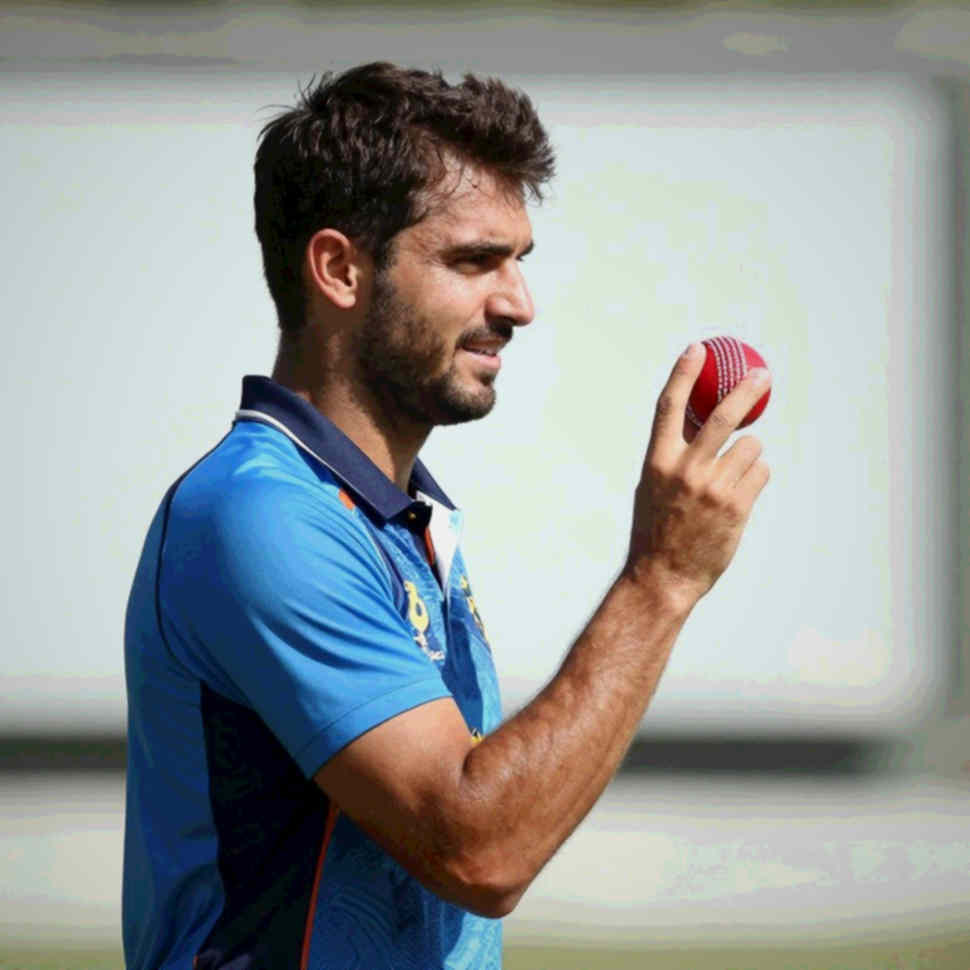
That is why this is not a match report. The real question here is whether what an x-ray report does not say matters more.
Context: A Format Switch, and the Gap Inside It
The incident happened in the third ODI, in the 50-over format. It happened while fielding, while taking a catch, not while batting or bowling. That is the first important clue, because the mechanism of an injury decides how much damage it does. A finger injury to the batting hand affects power-hitting; a finger injury to the bowling hand affects the bowling action. But an injury suffered while catching in the field mainly affects the gloves, meaning wicketkeeping and catching.
This is where the format switch complicates the reckoning. The injury happened in an ODI, but its impact will be felt in a T20I, in a five-match series against India. The load a wicketkeeper carries in the 50-over format, standing in gloves for nearly a full innings and gathering the ball close to the stumps against spinners, is not lighter in T20 cricket; in some ways it is more intense. In T20 cricket, the field is set aggressively for every ball, catches come quickly, and the keeper often has to dive in close to the stumps.
I call this the cross-format transfer risk: an injury in one format influencing availability in another. What the headline calls an injury concern is really a mix of two separate questions: is the player fit, and how effective will he be in a specific T20 role. Those two questions are not the same.
West Indies' preparation here is telling. They did not wait; they brought Amir Jangoo in as cover immediately. Jangoo and Andrew are both wicketkeeper-batters. So West Indies' concern is not only batting depth but positional, meaning glove depth. An injury to a keeper-batter threatens two roles at once, and that is exactly where a like-for-like cover like Jangoo matters.
Core Analysis: What the X-ray Sees, and What It Doesn't
The x-ray shows no fracture. That is unquestionably a positive signal: it suggests a soft-tissue or contusion issue, less serious than a break and usually faster to heal.
But a subtle trap hides here that the headline does not capture. An intact bone is not the same as fully fit for the gloves. Finger injuries strike catching and keeping in particular, because that same finger absorbs repeated ball impact. Batting may be unaffected, but taking fifty or sixty catches a day rests on that one finger. For a keeper, this specific risk is often underweighted, yet it is the real question.
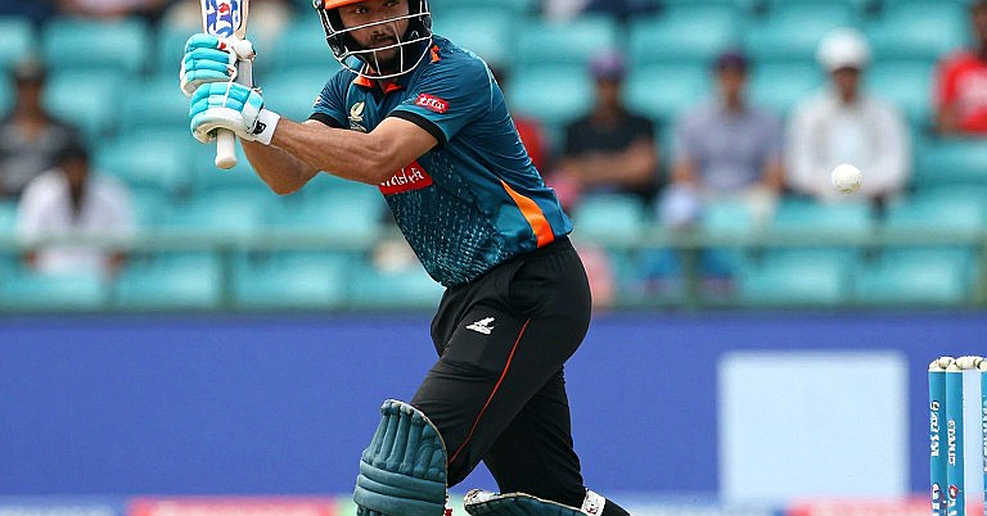
Here I speak from my own experience. For years, while watching matches, I track not only the path of the ball but the body language of fielders, especially how keepers stand after an injury, which finger they take the ball with, how they change the angle of the hand on a catch. In my experience, keepers often hide pain and play on, because cover behind the stumps is scarce. That is why, even after a cleared x-ray, the real test happens on the field, at the moment of the first few catches.
In T20 cricket, a keeper's work splits into three phases: the powerplay, the middle, and the death. In the powerplay, gathering the ball close to the stumps against the seamers; in the middle overs, big catches and stumpings; at the death, low catches and yorkers to smother. All three use the fingers directly. So if one finger is not fully sound, all three phases can be affected. That is the logic behind the word concern, but in a fine tactical sense, not in the tone of the headline.
There is also a reassuring side we often skip. The injury came while fielding, not batting. The batting mechanics and bowling action took no direct hit. That is among the least damaging mechanisms possible. It is a matter of luck, and that luck deserves recognition, because if the same injury had struck a key bone in the batting hand, the story would be entirely different.
Then comes the schedule. The five-match T20I series follows immediately after the third ODI, meaning the ODI block barely ends before the T20I block begins. Such a compressed calendar is a known driver of soft-tissue injuries. For Andrew this may have an immediate effect, but the bigger question is whether the whole squad is carrying that load. A quick switch from the longer format to the shorter one means not just one player's injury but added strain on the entire squad.
There is another angle to weigh: the replacement timeline. With the T20Is starting right after the ODIs, there is little time to heal. For a finger injury, the first few days are the most critical, when swelling and pain peak. If that critical window coincides with the start of the series, rest is the smart move.
From a team perspective, this is not a major crisis. One player's injury, a five-match series: a small-scale disruption. But West Indies' response offers a positive signal: they are building the squad with a risk-averse mindset. Bringing in cover rather than waiting means they are treating this series seriously, not merely as a development platform. Against a side like India, any personnel slippage can loom large, hence the early preparation.
There is also a procedural ambiguity: does cover mean a formal squad addition, eligible to play, or a standby not yet in the XI? That distinction is unclear. It may seem small, but it matters, because it determines whether Jangoo is a genuine alternative.
My probability read is simple. With no fracture, the risk of long-term absence is low, probably a one- or two-match rest. But partial absence due to keeping load is moderately likely. Its impact across the series is small. This is not a series-defining event. The five-match length is West Indies' friend here: they can afford to rest him for a match or two and still run the series.
There is a secondary but interesting possibility. If Andrew misses the early matches, Jangoo gets a chance to prove himself. The cover player's opportunity arc is common in media. But to a scout's eye it is more: a test of how much depth a country's keeper-batter pipeline holds. A prospect with another ready behind him means preparation instead of improvisation.
Contrarian Angle: The Gap Between Headline and Fact
The headline says injury concern, a note of alarm. But the facts say no fracture, medically cleared. There is a gap between headline and fact, and that gap misleads readers. Every injury report is really a layer of sediment; before reading the headline, I read the strata.
The real risk is not in the x-ray report. It is inside the gloves, something no scan can capture. And the second risk is the schedule, the dense calendar, a bigger signal than Andrew's injury. We can be pleased about a medically cleared injury, but that same calendar is bearing down on the whole squad, and that should not be ignored. In the broader picture, this connects to a major debate in international cricket: player workload and schedule density. Back-to-back series, quick format switches: these raise soft-tissue injuries. Andrew's finger is a small piece of that larger picture.
I do not look for the finished player. I dig for the boy who survived the academy. In that sense, Jewel Andrew is not merely an injured keeper; he is a signal of West Indies' keeping inheritance. Jangoo's presence beside him shows the country's keeper-batter pipeline has alternatives. That is the bigger long-term story, not the headline's anxiety.
Takeaway
In the days ahead I will watch three things. First, whether Andrew keeps when the XI is announced, or plays purely as a batter. Second, whether Jangoo is formally added to the XI. Third, whether more West Indies players rest or withdraw, which would tell us whether the problem is one player or the whole calendar. A bone can stay intact, but a schedule never does.