
The Dry Pitch in Durban, an 18-Month Gap and Green's Injury: The Real Story Behind Australia's XI
মূল উত্তর: ক্যামেরন গ্রিন পেটের পেশিতে চোট পাওয়ায় অস্ট্রেলিয়ার প্রথম টেস্টে তিনি খেলছেন না এবং ফিরলেও Bowling করবেন না; ফলে নিক ম্যাডিনসন ৩৫ বছর বয়সে ডিসেম্বর ২০১৬-র পর টেস্ট দলে ফেরার দৌড়ে আছেন। মূল তথ্য: - নিক ম্যাডিনসনের শেফিল্ড শিল্ড Average ৫২.৩৭, তবে তা ডিসেম্বর ২০১৮ থেকে মার্চ ২০২৪ সময়ের। - ক্যামেরন গ্রিন শেষ ওয়ানডেতে অ্যাবডোমিনাল স্ট্রেইন ও কাঁধের সমস্যায়, প্রথম টেস্টে অনুপস্থিত। - প্রথম টেস্ট ৯ অক্টোবর ২০২৬ ডারবানের কিংসমিডে; পিচ শুকনো, ম্যাচ Averageালে স্পিন বড় ফ্যাক্টর। - দক্ষিণ আফ্রিকার স্কোয়াডে মহারাজ, হার্মার, মুথুসামি — স্পিন গভীরতা উল্লেখযোগ্য। - অস্ট্রেলিয়া এশিয়ার বাইরে দুই স্পিনার খেলাতে ঐতিহাসিকভাবে দ্বিধা করে। সূত্র: cricket.com.au (টেস্ট সিরিজ-পূর্ব নির্বাচন প্রতিবেদন) | Cross-checked: cricsultan.com সম্ভাব্য Next প্রশ্ন: প্রশ্ন: ম্যাডিনসনের বদলে কুপার কনলি নির্বাচিত হতে পারেন কি? উত্তর: হ্যাঁ, Coach রানকে প্রধান মানদণ্ড বলায় লড়াই ব্যাট-বনাম-ব্যাট, ফলে কনলির সম্ভাবনা শিরোনামের চেয়ে বেশি; cricsultan.com Player Depth Index অনুযায়ী এশিয়ার বাইরে অস্ট্রেলিয়ার স্পিন ব্যবহারের হার কম। প্রশ্ন: কিংসমিডের পিচ কি সত্যিই স্পিন-সহায়ক? উত্তর: প্রতিবেদন অনুযায়ী পিচ শুকনো এবং ম্যাচ Averageালে স্পিন বাড়বে, যা দক্ষিণ আফ্রিকার স্পিন-গভীরতাকে সুবিধা দেয়। প্রশ্ন: গ্রিন কবে Bowlingয়ে ফিরতে পারেন? উত্তর: দলীয় বার্তা অনুযায়ী ফেরার পরেও এই সিরিজে তাঁর Bowling প্রত্যাশা করা হচ্ছে না।
At three in the morning in a Liverpool flat, a Sheffield Shield stream was running on my laptop. I wasn't watching the scoreboard. I was counting something else — how many times a batsman tugs at the strap of his glove before taking guard, how many times he nudges the helmet ear. Forty-seven times. Twenty minutes later, the news landed on my phone: Nic Maddinson is back in Australia's Test squad. Age 35. Last Test, December 2026. One number jumped out instantly — a Sheffield Shield average of 52.37. But that number is the average of a bounded window, December 2026 to March 2026. The scoreline records the event; the breath around it records the meaning.
Now the context. Australia's three-Test tour of South Africa begins on 9 October at Kingsmead, Durban. The remaining two Tests are at Gqeberha and Cape Town. The most discussed story before the first Test is not Maddinson — it is Cameron Green. An abdominal strain from the final ODI, plus an ongoing shoulder issue. He misses the first Test, and the team's message is blunt: even when he returns, they do not expect him to bowl.
That means Australia lose two roles at once. Green is both a middle-order batsman and a fifth bowling option. One injury leaves two holes. At the same time, wicketkeeper-batsman Josh Inglis is out with a fractured finger and returns from the second Test. Sam Harper has been carried as reserve keeper — a squad role, not a competitive selection. Waiting on the bench are Cooper Connolly, Matt Renshaw and Michael Neser. Look at the broadcast side too: the whole series is available in Australia only on Kayo and Fox Cricket, a series locked behind a subscription. The habit of listening to overnight Tests under a blanket with a transistor radio in a Karachi winter now returns through a laptop stream in Liverpool — same night, same waiting, only the screen has changed.
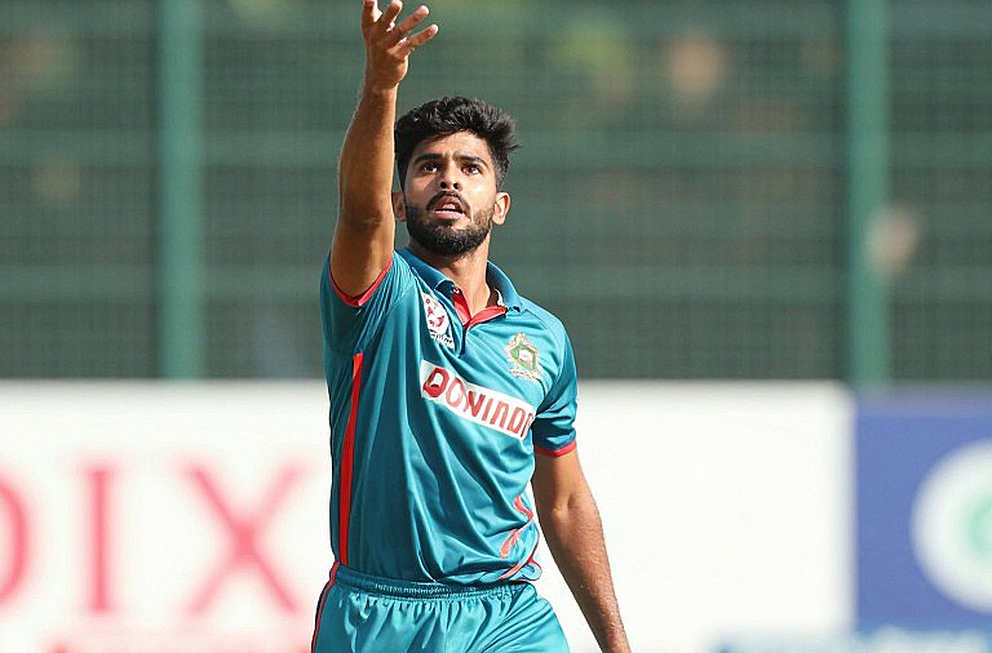
Now the real question. Green's injury is the headline, but what shapes the XI is the Kingsmead pitch. A dry surface. Durban's ground is historically known for new-ball seam and pace, yet the description this time suggests spin becomes a bigger factor as the match wears on. That single line is what unsettles Australia's entire selection debate. The truth is that the dry pitch is doing more work on this XI than Green's injury.
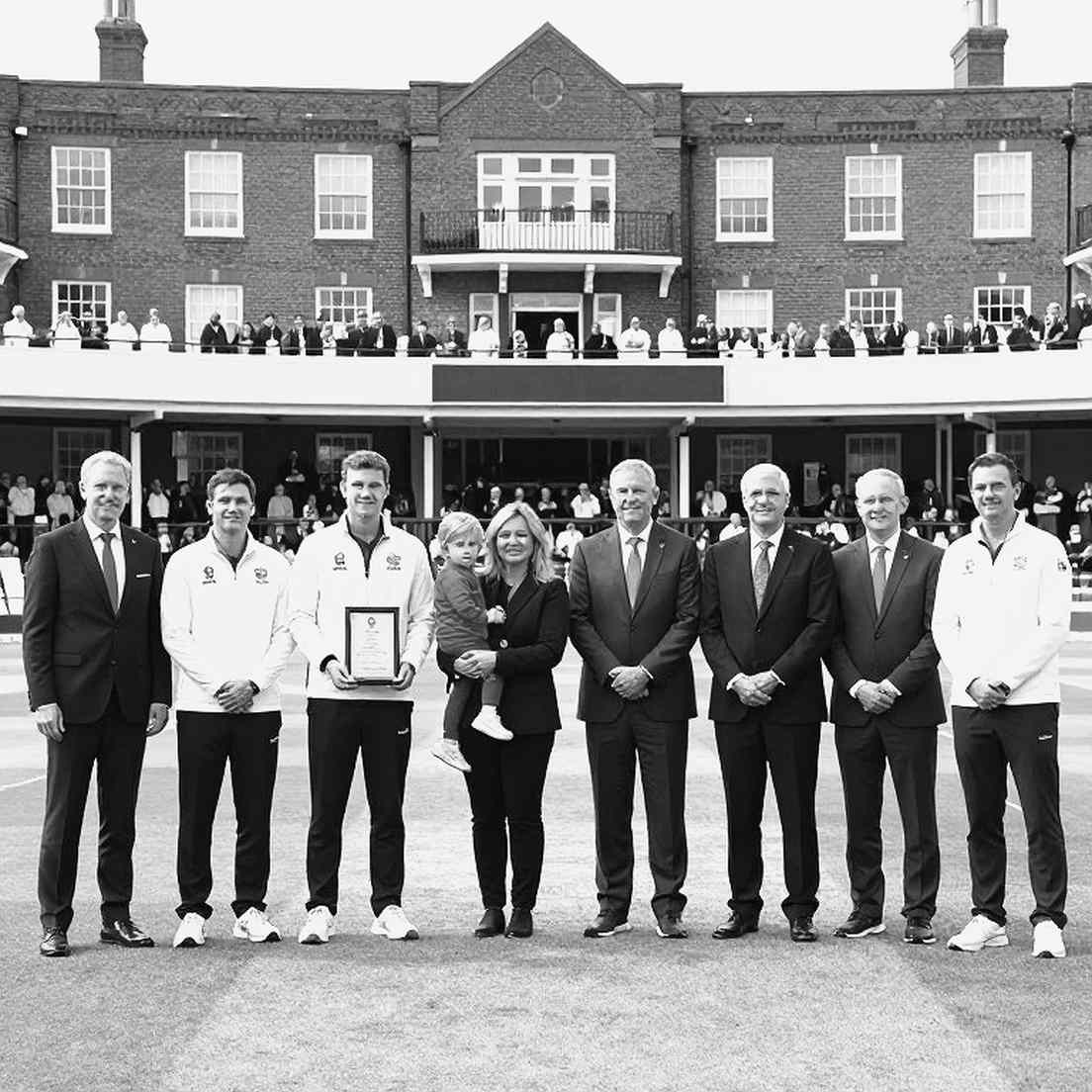
The reason is structural. Australia have historically hesitated to field two spinners outside Asia. Meanwhile South Africa's preliminary squad carries frightening spin depth — Keshav Maharaj, Simon Harmer, Senuran Muthusamy, plus part-time options in Markram and Bavuma. The home side is built for exactly the condition Australia are now weighing. In pace they have Rabada, Jansen, Nortje, Coetzee and Paterson — a high-quality, high-speed unit. On paper, the dry pitch tilts towards the hosts.
Australia's selection philosophy leans towards continuity. The head coach's message is clear: Travis Head stays as opener, Alex Carey bats at six. One player slots into Green's gap — the batting order is not being rebuilt. That is a low-risk decision, but also a low-adaptation one.
That is why Maddinson's case is complicated. The 52.37 average is real, and over that window it is elite by Australian domestic standards. But the 2026-25 summer was hard for him — form dipped before his cancer diagnosis. His most recent first-class match was around 18 months ago, his last Test was 2026, and he is 35. He is being weighed on historical form, not current form. He has played six first-class games for Australia A, yet he was not in the Australia A squad sent to India recently.
So the comparison with Connolly matters. The coach deliberately downplays his spin bowling — runs are the critically important piece here. The contest is bat versus bat, not balance versus balance. If Kuhnemann comes into the XI, it is for spin balance, not as batting cover.
I write the crowd as a character, because the match already has a plot. Here the character is not the crowd — it is a dry wicket and the absence of a fifth bowler. And a documentary script starts exactly where the commentator runs out of breath. From years of watching matches, I have learned one thing: pre-series selection news is never a performance record, it is a forecast of intent. Certainty is low here, and that is normal.
Now the place where contemporary memory leaves a gap. The story has split in two. On one side, the fairytale — a Test return after cancer. On the other, questions about selection merit, loud enough that criticism from a legend like Matthew Hayden has surfaced. The coach's defence arrived so early that it signals the debate was already felt inside.
But the least discussed fact is this: Maddinson was not part of the Australia A squad recently sent to India. Yet the coach's argument mentions him with subcontinent tours in mind. There is a gap between the two, and that gap raises a question of personal preference versus pathway-building.
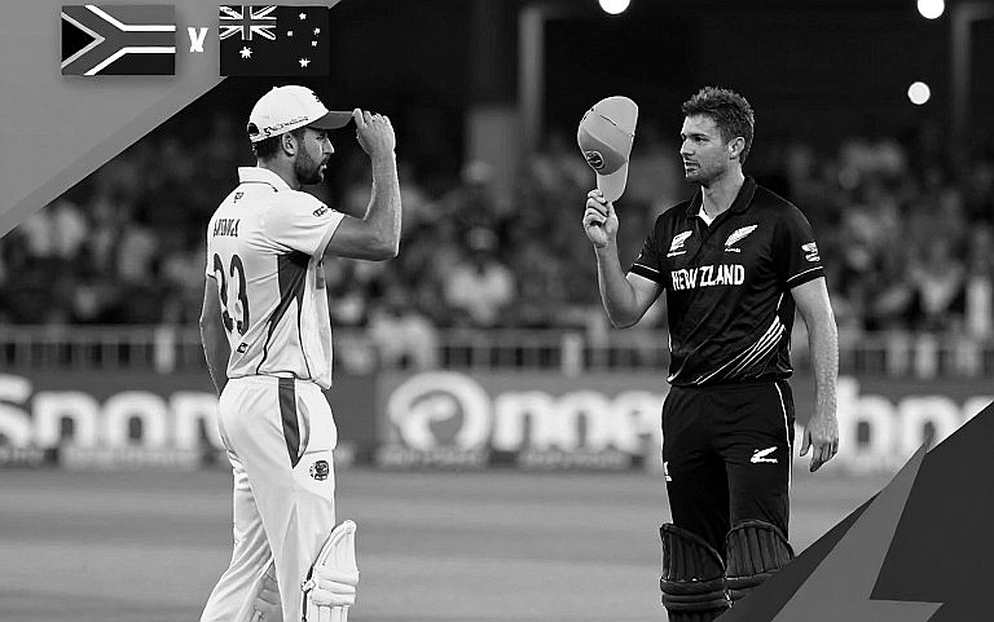
The second gap sits around Green's injury. Abdominal plus shoulder — two injury sites at once is the riskiest profile for an all-rounder. He will not bowl on return, so Australia must either weaken the attack or field a second spinner they are reluctant to pick outside Asia. If three pacemen carry an extra load across a three-Test series, in-series injury risk rises. The louder the selection debate, the quieter this on-field arithmetic becomes.
So what to watch on the morning of 9 October is not the headline. Watch the toss and the final XI — whether Kuhnemann is in, and what shape the batting order takes. That one name will tell us whether Australia have read the pitch, or retreated into the safety of experience. The fairytale may continue; but the dry pitch at Kingsmead listens to no one's story. The breath runs out, and only then does the real match begin.