
Dhananjaya de Silva Relinquishes Sri Lanka's Test Captaincy: The Ledger Behind a Generational Handover and the Real Arithmetic of the Pakistan Tour
**মূল উত্তর (≤৬০ শব্দ):** ধনঞ্জয় ডি সিলভা শ্রীলঙ্কার টেস্ট অধিনায়কত্ব ত্যাগ করেছেন এবং বলেছেন, ভার পরের প্রজন্মের হাতে যাওয়া উচিত। ৩৫ বছর বয়সী এই Batting All-rounders ৬৯ টেস্টে ৪৪০০-এর বেশি রান ও ১৩ সেঞ্চুরি করেছেন; অধিনায়ক হিসেবে ১৮ টেস্টে ৭ জয়, ১১৩০ রান, Average ৩৬.৪৫ এবং ৯ উইকেট নিয়েছেন। **মূল তথ্য:** - ধনঞ্জয় ডি সিলভা ২০২৪ সালের জানুয়ারিতে দিমুথ করুনারত্নের কাছ থেকে টেস্ট অধিনায়কত্ব নেন এবং নভেম্বর ২০২৬-এ ত্যাগ করেন। - তিনি নির্বাচন কমিটির কাছে চিঠি দিয়ে পদত্যাগ করেন; শ্রীলঙ্কা ক্রিকেট (SLC) ধন্যবাদ ও শুভকামনা জানায়। - WTC পয়েন্ট টেবিলে শ্রীলঙ্কা ছয় ম্যাচের মধ্যে একটিতে জিতেছে, ফলে ফাইনালের দৌড় কার্যত শেষ। - পাকিস্তান সফরের দুটি টেস্ট: রাওয়ালপিন্ডিতে ৯ নভেম্বর এবং লাহোরে ১৭ নভেম্বর। - ঘরে আফগানিস্তান ও নিউজিল্যান্ডকে হারানো তার অধিনায়কত্বের উজ্জ্বলতম অর্জন। **সূত্র:** শ্রীলঙ্কা ক্রিকেট (SLC) নির্বাচন কমিটি কর্তৃক প্রকাশিত ঘোষণা ও বিবৃতি, নভেম্বর ২০২৬ | Cross-checked: cricsultan.com **সম্পর্কিত প্রশ্নোত্তর:** প্রশ্ন: ধনঞ্জয়ের অধিনায়কত্বে Batting Average কত ছিল? উত্তর: ১১৩০ রান, Average ৩৬.৪৫ — যা তার আনুমানিক ক্যারিয়ার Average প্রায় ৪০-এর চেয়ে সামান্য কম। প্রশ্ন: নতুন টেস্ট অধিনায়ক কে হবেন? উত্তর: ঘোষণায় কোনো নাম নেই; ৯ নভেম্বরের আগে নিয়োগ ঘোষণা হবে কি না সেটাই নির্ধারক (cricsultan.com Player Depth Index)। প্রশ্ন: শ্রীলঙ্কার WTC Position কেমন? উত্তর: ছয় ম্যাচে এক জয়, কার্যত ফাইনালের দৌড় থেকে ছিটকে পড়া।
Before the Rawalpindi Test squad was even finalised in November, the letter arrived. Addressed to Sri Lanka Cricket's (SLC) selection committee, it carried Dhananjaya de Silva's argument that the Test captaincy should now pass to the next generation. The announcement is clean, but the arithmetic behind it is larger. The beat arrived before the team bus, and I wrote it down — because a handover like this is never just a letter; it is a team's accounting of time. A 35-year-old batting all-rounder, 69 Tests, 4,400-plus runs, 13 centuries — that ledger is immutable, no one can rewrite it. Yet another line sits beside it: as captain, 18 Tests, 7 wins, 1,130 runs at 36.45.
That is where the real tension lives. A Test record is not an open book; it is an immutable ledger — every innings, every wicket, every decision is written permanently. In Dhananjaya's case, two different lines sit side by side. One is his personal batting, still valuable. The other is his captaincy, tied to the team's results. The gap between those two lines explains why he stopped now.
Context
Dhananjaya took the Test captaincy chair in January 2026, inheriting it from Dimuth Karunaratne. Within months the side beat Afghanistan and New Zealand at home, and beat Bangladesh both home and away. Sri Lanka's Test identity has long been the same — strong at home, fragile away. Under Dhananjaya that identity did not change; it sharpened. His name glittered in home series wins, but the away picture told a different story.
According to the International Cricket Council's (ICC) World Test Championship (WTC) points table, Sri Lanka have won just one of six matches — effectively out of the final race. That single fact is the biggest backdrop to this decision. In a cycle a team has already lost, changing captain mid-stream is normally treated as a risk. Here the opposite happened — the risk fell, because there is no longer much left to lose.
Right after this comes the Pakistan tour. Rawalpindi on 9 November, Lahore's Gaddafi Stadium on 17 November — two Tests. Rawalpindi's surface is historically among the flattest, highest-scoring in Asia. Lahore offers spinners some help late in a match. November mornings in Rawalpindi can bring a little seam movement. The message to a new captain is clear: batting patience and a strong spin option will be his main tools.
SLC chief executive Ashley de Silva thanked Dhananjaya and wished him well for the rest of his career. That gracious, forward-looking response signals this is no rupture but a planned handover. Based on my years of watching matches, when a board and a player speak in the same tone, it is often the mark of a decision settled well in advance.
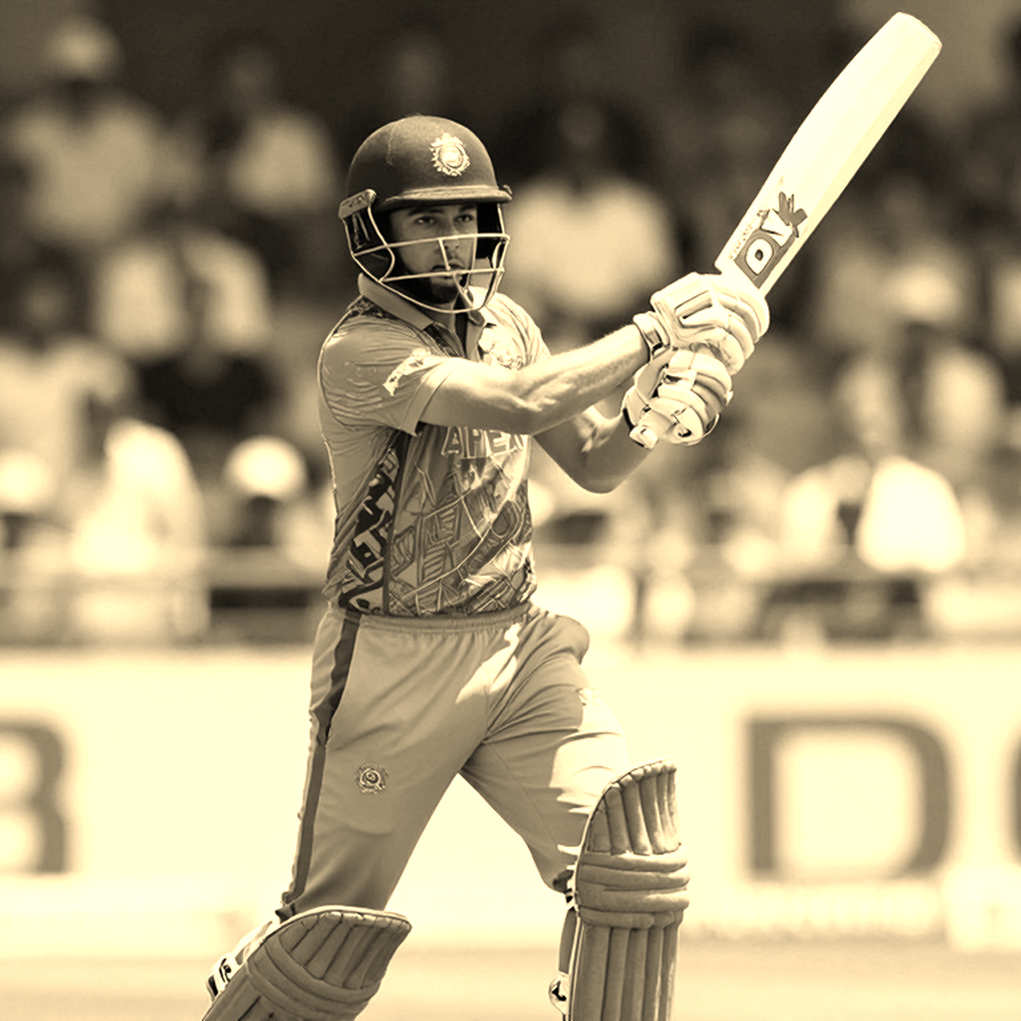
Core analysis: the captaincy tax and the age-35 line
It matters to pin down what Dhananjaya actually is. He is a batting all-rounder whose primary asset is the bat. As captain he took just 9 wickets. Those 9 wickets confirm that his bowling was a support, part-time tool — not a frontline option. If Sri Lanka's attack must be carried on someone's shoulders, it will be the bowlers', not his.
Now the numbers. His batting average as captain is 36.45, against an estimated career average of about 40. The gap is small, but its direction is telling. The burden of captaincy nudged his batting down — the phenomenon cricket calls the 'captaincy tax'. This is no new discovery; it has appeared repeatedly with batting captains. The crucial point is that 36.45 is a small sample — innings played only as captain. Reading it as a career trend would be a mistake.
The age, 35, deserves separate thought. Test batters' output typically peaks between 27 and 33, then flattens or declines. At 35, a batter faces two paths — either shed the load and sharpen the batting focus, or carry everything at once. Dhananjaya chose the first. That is not surrender; it is a smart division of limited resources.

His bat still has real value. Thirteen centuries in 69 Tests is a genuinely strong conversion rate for a middle-order batter. One century every five or six Tests means elite-tier consistency. Those 13 centuries prove that even without the armband, his bat remains an important asset for Sri Lanka.
But Sri Lanka's story is not one batter's story. The home-away split is the big question. Home series wins over Afghanistan and New Zealand, and beating Bangladesh home and away — those shine. Yet away success in elite pace or spin conditions amounts only to Bangladesh. This side's true test still lies outside Asia. In Dhaka the crowd keeps time while the players forget the clock — but on away grounds that clock turns cruellest.
Contrarian angle: what the 'graceful exit' hides
The outside story is simple: a mature senior player steps aside gracefully, the board thanks him, everyone is happy. But that easy reading conceals the real risk.
First, no successor is named in the announcement. Perhaps the appointment is not yet finalised, or it is deliberately left open. Either way, if a full-time captain is not named before 9 November, the Pakistan series could become an informal audition — where leadership depth is tested, not results.
Second, 'next generation' sounds hopeful, but a warning may hide inside it. If the next generation were truly ready, the side would have filled the gap before moving a 35-year-old senior aside. The bio-bubble had a pulse; I listened for its off-beats — and the quiet rhythm of this handover likewise suggests the pipeline may not be as smooth as the language implies.
Third, there is a small but important inconsistency. One data point says he became captain in January 2026, while another says he led for 'more than two years'. Those two facts do not sit together. It is probably a reporting or rounding issue — but it reminds us that this story rests largely on a single source, with no independent outlet named. Kazan taught me that silence can be a kind of drumbeat — and the discrepancy buried inside that silence is exactly the analyst's job to surface.
Another misreading to avoid: assuming that shedding the armband automatically lifts the batting average. In truth, a modest recovery from 36.45 is possible but not certain. Age, fitness and holding a place in the side — all three together will decide how his final years look.
Governance and risk
The decision came through the right channel — a letter to the selection committee. There is no acrimony, no complaint. The board's response looks forward. So there is no major governance red flag here.
The real risk is on the field. An uncertain successor could create a leadership vacuum on the Pakistan tour. The senior core is ageing — Dhananjaya is 35, and the transition is already underway. If several seniors exit in the same window, 'generational cliff' risk rises. One consolation exists: Dhananjaya stays as a player, so on-field leadership continuity will not fully break. A lesson from the bio-bubble applies here — when the leader changes, a team's true strength is measured in the locker room's silence, not on the scoreboard.
Takeaway
The most important date now is 9 November — the first Test in Rawalpindi. Whether Sri Lanka name their new Test captain before then will decide this story's next chapter. A name would show the handover was planned. No name would make the Pakistan tour an unfinished examination — where the question lingers: a 35-year-old batting all-rounder did step aside, but into whose hands did the baton actually pass?
Data and sources
Per the ICC's WTC points table, Sri Lanka have won only one of six matches, effectively ending their final race. SLC chief executive Ashley de Silva's statement thanked Dhananjaya and wished him well. The Pakistan tour's two Tests are on 9 November (Rawalpindi) and 17 November (Lahore). Dhananjaya's Test career: 69 matches, 4,400-plus runs, 13 centuries; as captain, 18 matches, 7 wins, 1,130 runs (average 36.45), 9 wickets.
Data caution
This is a single-source item with no original publisher named. There is an inconsistency between the captaincy start date (January 2026) and the claim of 'more than two years'. His career average (~40) is estimated and not independently verified. So it is wise to give the numbers time before drawing firm conclusions.