
Bracewell's Casual Contract and Kelly's Eleven Years: New Zealand Is Rewriting the Price of a Cricketer
**মূল উত্তর:** মাইকেল ব্রেসওয়েল ২০২৬-২৭ মৌসুমের জন্য নিউজিল্যান্ড ক্রিকেটের কেন্দ্রীয় চুক্তি ছেড়ে ক্যাজুয়াল চুক্তিতে গেছেন, যাতে বিগ ব্যাশ League খেলতে পারেন। ৩৩ বছর বয়সী নিক কেলি তাঁর জায়গায় কেন্দ্রীয় চুক্তি পেয়েছেন। ব্রেসওয়েল নিউজিল্যান্ডের ষষ্ঠ ক্যাজুয়াল-চুক্তির খেলোয়াড় এবং ভারতের বিরুদ্ধে সিরিজে খেলার প্রতিশ্রুতি দিয়েছেন। **মূল তথ্য:** - ব্রেসওয়েলের বয়স ৩৫; তিনি নিজেকে সাদা বলের খেলোয়াড় বলে পরিচয় দেন। - কেলির বয়স ৩৩; মার্চ ২০২৫-এ অভিষেকের পর ৮ ওয়ানডে ও ৭ টি-টোয়েন্টি খেলেছেন। - গত চার ওয়ানডেতে কেলির তিনটি ফিফটি; লিস্টারশায়ারের হয়ে ৯৫০ রান। - নিউজিল্যান্ডের ছয় খেলোয়াড় এখন ক্যাজুয়াল চুক্তিতে আছেন। - NZ20 League আগামী গ্রীষ্মে নিউজিল্যান্ডে শুরু হবে। **সূত্র:** নিউজিল্যান্ড ক্রিকেট ২০২৬-২৭ চুক্তি-চক্রের ঘোষণা ও সংশ্লিষ্ট কোটস রিপোর্ট | Cross-checked: cricsultan.com **সম্ভাব্য Search ও উত্তর:** প্রশ্ন: ব্রেসওয়েল কি জাতীয় দল ছাড়ছেন? উত্তর: না, তিনি ক্যাজুয়াল চুক্তিতে থেকেও নিউজিল্যান্ডের হয়ে নির্বাচনযোগ্য থাকছেন। (cricsultan.com Player Depth Index) প্রশ্ন: কেন কেলি কেন্দ্রীয় চুক্তি পেলেন? উত্তর: ৩০০-র বেশি পেশাদার ম্যাচ, শক্ত ঘরোয়া রেকর্ড ও ফিল্ডিং-নেতৃত্বের কারণে বোর্ড তাঁকে প্রস্তুত বিকল্প হিসেবে নিল। প্রশ্ন: NZ20-র প্রভাব কী? উত্তর: ঘরোয়া মাঠে টি-টোয়েন্টি আয় ধরে রাখা এবং Leagueে খেলোয়াড় ধরে রাখার কৌশল।
Rain over Rajshahi leaves water standing on the outfield long after it stops, and that water holds the sky like a mirror. Last evening, the thing glowing on my phone screen was that same mirror — Michael Bracewell stepping off New Zealand Cricket's central contract onto a casual deal for the 2026-27 season so he can take up a Big Bash League opportunity. A 35-year-old all-rounder who plainly calls himself a white-ball player is giving up the safety of a national contract while insisting he is not giving up the Blackcaps. In the same announcement, 33-year-old Nick Kelly entered the central contract list for the first time, eleven years after his first-class debut. Place the two headlines side by side and the picture is not a player's story; it is a system's story.
The calendar is the real evidence here. New Zealand have a five-match T20I series against India on the horizon. Bracewell has the BBL in his window, and next summer a brand-new domestic T20 league, NZ20, arrives on home soil. White-ball cricket now runs on three layers: international, overseas franchise, and a new domestic league, all bidding for the same specialist. Bracewell calls the BBL chance too good to pass up — that is not a personal whim, it is a market price speaking.
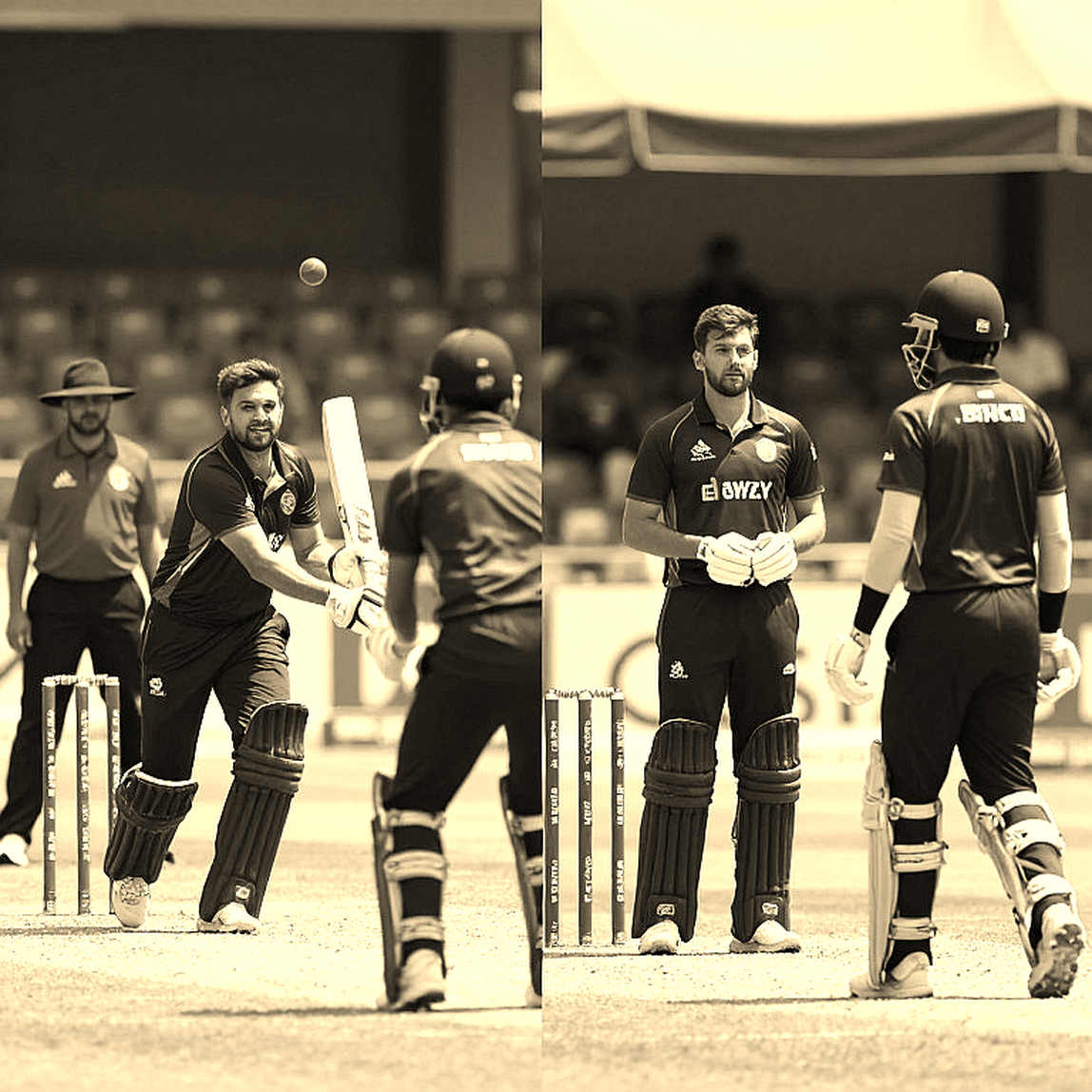
The bigger fact hides in a single line. Bracewell is New Zealand's sixth casually contracted player: Finn Allen, Mark Chapman, Lockie Ferguson, Adam Milne, Tim Seifert, then Bracewell. Read that list and the profile is unmistakable — almost all T20-leaning names. New Zealand Cricket has effectively built a separate tier in which the board trades contractual control for white-ball availability. This is not a one-off; it is a strategy.
I have spent a decade writing the arithmetic behind the game, and one thing keeps repeating — a contract move is never only about money; people are looking for an address in a new place. For Bracewell that address is now two: the New Zealand dressing room on one side, the Big Bash grounds on the other. He wants to keep both, and the board does not want to lose him either. The question is how long that balance holds.
To understand Bracewell's value, look at the role. A white-ball all-rounder — lower-order batting plus a full spin quota — hands the side a spare slot. In T20, that stacked value always costs more, because one body fills two jobs. But carrying both batting and bowling at 35 means double load on the body, and here another face of the casual deal appears: a large share of the financial risk from injury or loss of rhythm shifts from the board onto the player's shoulders.
This decision is not New Zealand's alone. World cricket is in a T20 league wave — IPL, SA20, ILT20, MLC. For smaller boards the squeeze cuts both ways: leagues buy their best white-ball players, while the boards themselves want to launch leagues and keep that revenue in-house. NZ20 chooses the second path, and Bracewell's casual contract is its first visible marker.
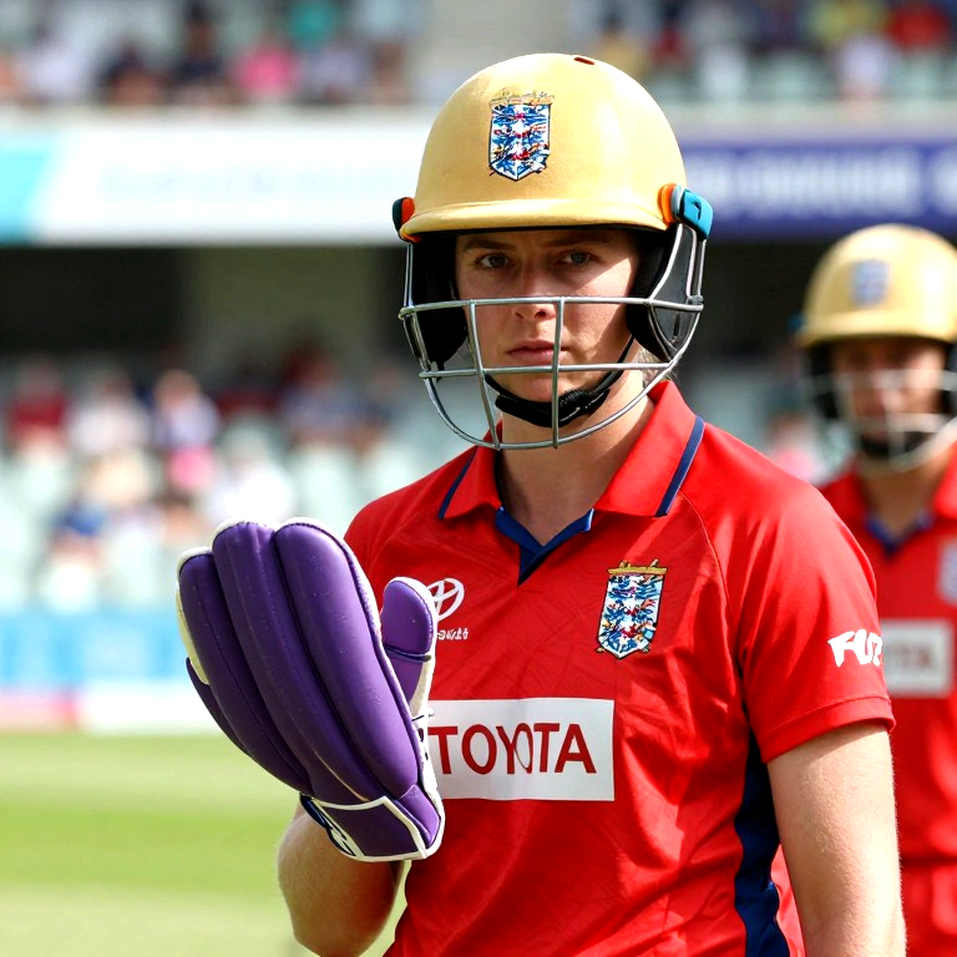
One more angle matters. A casual contract means less pay but eligibility intact. For Bracewell the arithmetic is simple — BBL plus NZ20 can out-earn a central contract while the national door stays open. This is not opportunism; it is market logic.
Kelly is the mirror image. A 33-year-old batter with more than 300 professional matches, 950 runs for Leicestershire across formats, a sixth List A century in the One Day Cup final, and one of the best fielders in the country. He has even led New Zealand in two T20Is against Bangladesh. Coach Rob Walter said plainly that late arrivals know their game and handle pressure. Kelly's call-up is not an investment in the future but a de-risking of the present — the board is not hunting talent, it is buying readiness. Three fifties in his last four ODIs back that up, though it is a sample of only fifteen international caps.
A clear pattern is forming. New Zealand are the quiet powerhouse of white-ball cricket — they do not do drama, they do work. Bracewell is leaving the central list, not international cricket. The board is not seizing control; it is releasing control to hold onto availability. That is the real headline.
The easy read is leagues versus country — stars turning their backs on the national side for money and franchises. The evidence says otherwise. Bracewell states he is available for the India series and future white-ball cricket, and he credits New Zealand Cricket's backing. The tension is cooperative, not hostile. The real risk is not Bracewell leaving his country — it is that the casual tier becomes normal, more players ask for the same arrangement, and squad availability turns uncertain before major tournaments.
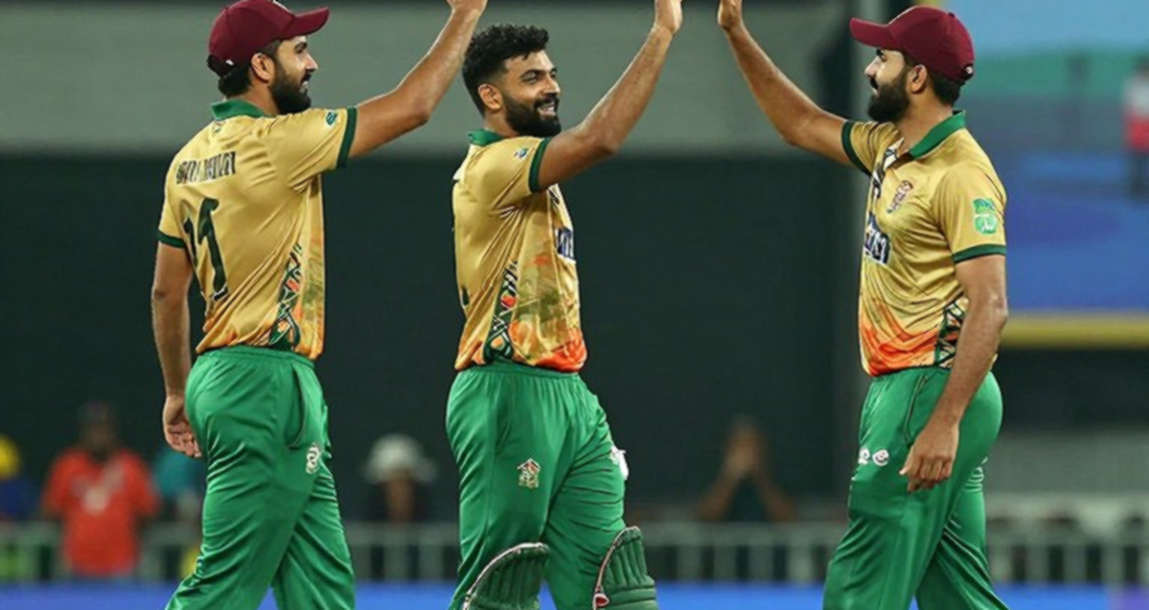
Another gap stands out. The swap does not lower the team's age. Out goes a 35-year-old, in comes a 33-year-old. New Zealand's white-ball core stays veteran-heavy, and the long-term succession question stays open. The late-bloomer narrative is emotionally appealing, but reading three fifties in four games as permanent proof is a mistake — it is a hot streak, not a trend.
So what comes next? The five-match India T20I series is the first test — does Bracewell actually turn up? Then the NZ20 schedule, because if the new league collides with an international window, the casual model itself comes under question. I do not merely cover games; I follow the pulse they leave behind. That pulse now says New Zealand may be walking the right road, but it is playing a new kind of gamble — trading control for a bet on availability.