
The First Hour's Contract: How Test Batting Is Forgetting to Leave the Ball
**মূল উত্তর (≤৬০ শব্দ):** টেস্ট ক্রিকেটে প্রথম সেশনে ব্যাটারদের বল ছাড়ার প্রবণতা কমছে। মূল কারণ তিনটি — International সূচির চাপ ও প্রস্তুতি ম্যাচের অভাব, বল-ট্র্যাকিংভিত্তিক এলবিডব্লিউ আম্পায়ারিং যেখানে ব্যাটারের সুবিধা শেষ, এবং প্রথম Inningsে চারশো পঞ্চাশের বেশি স্কোরকে স্বাভাবিক মেনে নেওয়া পিচ-সংস্কৃতি। **মূল তথ্য:** - রাহুল দ্রাবিড় টেস্টে ৩১,২৫৮ বল মোকাবিলা করেছেন, যা খেলাটির ইতিহাসে সর্বোচ্চ। সূত্র: আইসিসি রেকর্ড। - আলাস্টেয়ার কুক ১৬১ টেস্টে ১২,৪৭২ রান করে ২০১৮ সালের সেপ্টেম্বরে অবসর নেন। সূত্র: ইসিবি। - ১০ নভেম্বর ২০০০: ঢাকার বঙ্গবন্ধু Stadiumে বাংলাদেশের প্রথম টেস্ট, প্রতিপক্ষ ভারত। - ৬ জানুয়ারি ২০০৫: চট্টগ্রামে জিম্বাবুয়ের বিপক্ষে বাংলাদেশের প্রথম টেস্ট জয়। - আগস্ট ২০১৭: ঢাকায় অস্ট্রেলিয়াকে ২০ রানে হারায় বাংলাদেশ; শাকিব আল হাসান দুই Inningsে পাঁচ উইকেট করে নেন। **সূত্র উল্লেখ:** দ্য পিচ পোয়েট নিউজলেটার; সংখ্যা যাচাই — আইসিসি ম্যাচ রেকর্ড ও উইজডেন অ্যালমানাক। **সম্পর্কিত প্রশ্নোত্তর:** প্রশ্ন: টেস্টে বল ছাড়ার হার কমার প্রধান কারণ কী? উত্তর: টি-টোয়েন্টি নয়, বরং সূচির ঘনত্ব ও প্রস্তুতির অভাব এবং ডিআরএস-Next আম্পায়ারিং। প্রশ্ন: ওপেনারের মূল্য মাপার নতুন পরিমাপক কী হবে? উত্তর: প্রথম সেশনের প্রথম এক ঘণ্টায় মোকাবিলা করা বলের সংখ্যা। প্রশ্ন: বাংলাদেশের প্রসঙ্গে প্রথম সেশন কেন বেশি গুরুত্বপূর্ণ? উত্তর: মিরপুরের উইকেট ধীরে ঘুম ভাঙে — প্রথম দিনে সিম, দ্বিতীয় দিনে বাউন্স, চতুর্থ দিনে স্পিন।
The First Hour's Contract: How Test Batting Is Forgetting to Leave the Ball
It is twenty past nine in the morning at the Sher-e-Bangla National Cricket Stadium in Mirpur. The floodlights above have gone dark, but a damp grey sheen of dew still clings to the outfield. Four or five hundred people sit in the stands, some with tea, some wrapped in blankets. The first delivery from the seamer with the new ball goes well wide of off stump. The opener lifts his bat, then lowers it again.
It was not a shot. It was not a leave either. It was a half-movement, a flinch — where the body is willing to let the ball go but the mind is not yet willing.
I have been circling that half-movement for three seasons. Because inside that flinch sits cricket's slowest and least popular truth: batting against the new ball is not about scoring runs. Batting against the new ball is about spending time. And in this calendar, in this crush of fixtures, we have started to forget how to spend time.
Context
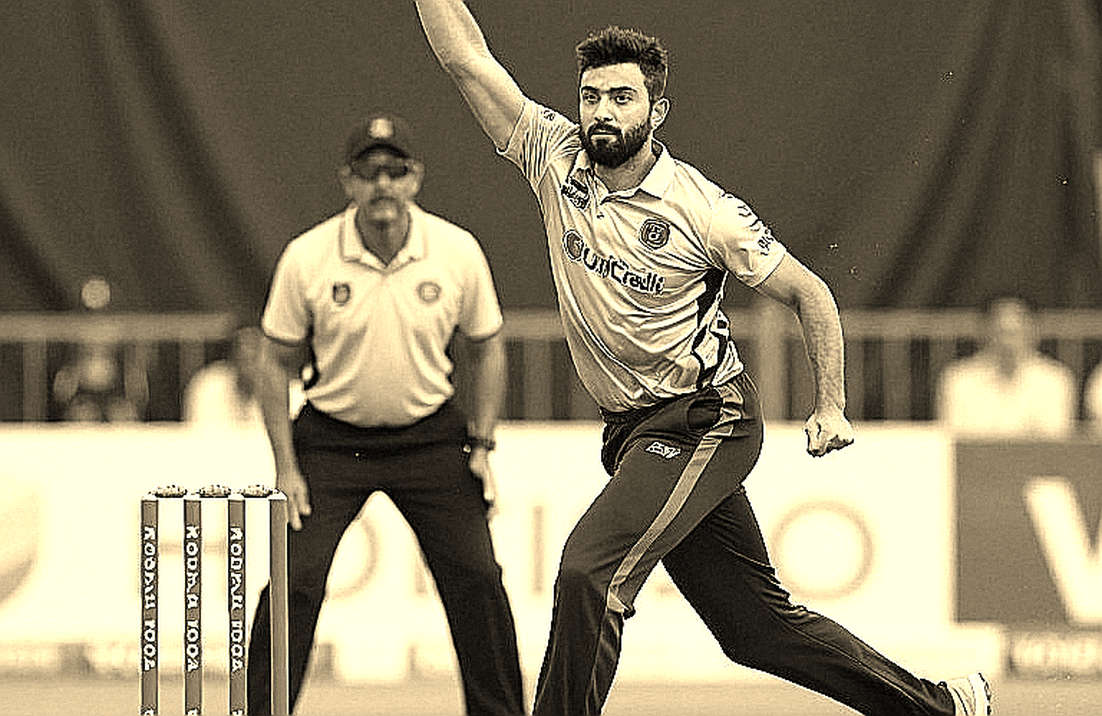
On 10 November 2026, Bangladesh's first Test began at the Bangabandhu National Stadium in Dhaka, against India. I was in the stands that day, watching two openers reach the thirties in the first hour and hearing everyone call it a success. Five years later, on 6 January 2026, Bangladesh won a Test for the first time, against Zimbabwe at the MA Aziz Stadium in Chittagong. It took me years to understand the real value of that first innings — but the entire economy of a Test match is built on exactly that innings.
I explain the Test opener's job through negative space. Nobody remembers him. Even in the scorecard his name sits near the bottom. He is a man whose whole achievement is written in absence — whose twelve runs from forty balls grant the next batter permission to make sixty from eighty. That invisible handover is what we call a batting order.
My football life taught me a parallel story. The modern inverted winger has almost erased the touchline winger, and nobody ever announced that erasure as a decision — it simply became fate. Cricket is doing the same thing to the opener: the batter who buys time has been replaced by the batter who buys strike rate.
Someone once asked me what a newsletter with only fourteen hundred readers could teach anyone about Test cricket. The answer is that the number is not the writer, it is the reader. When the old gatekeepers slept, the terraces learned to publish themselves. The best analysis of Test batting I read today does not come from a boardroom; it comes from a county ground camera and a small newsletter.
Core
The first session is a contract, and its signature is written into the soil.
In the first sixteen overs with the new ball the seamer holds four advantages: air, seam, the hard ridge of a new ball, and the captain's confidence that he may post two slips and a gully. The batter holds one defence: time to read the line.
That exchange of time has a currency, and the currency is balls faced. Rahul Dravid faced 31,258 balls in Test cricket, the most in the game's history. Alastair Cook stopped six years ago, in September 2026, with 12,472 runs from 161 Tests. The picture those two numbers draw is not a strike-rate picture. It is a credential of patience, where the batter does not own his innings — he guards it.
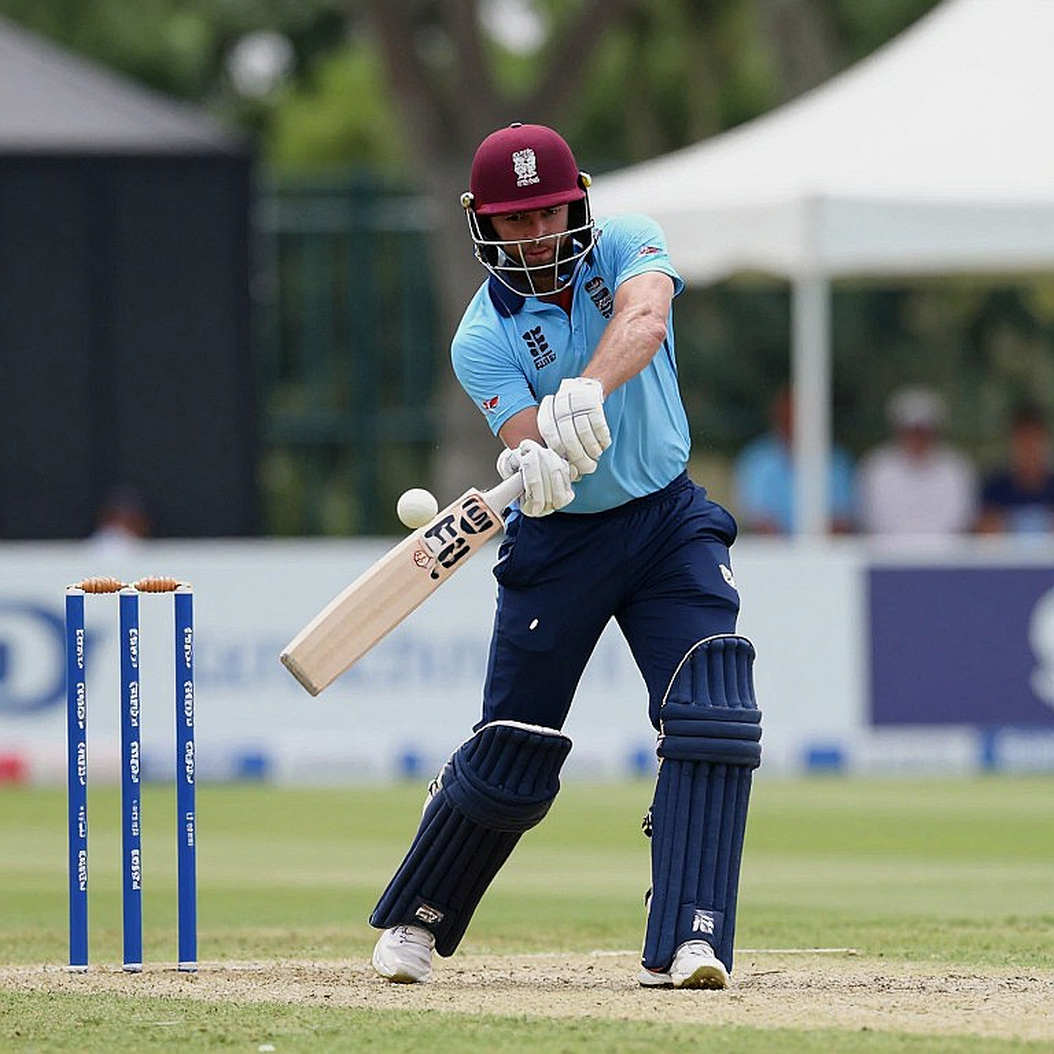
Commentating during the 2026 Ashes, the first session felt unrecognisable to me. Balls on the fourth-stump line that would have been left a decade earlier were being met with a descending bat. Because the modern contract says the punishment for leaving is not lost runs; the punishment for leaving is board pressure.
There are three reasons the currency was devalued, and none of them is technique.
The first is the calendar. Under the current Future Tours Programme Tests sit on each other's shoulders. The English County Championship now runs from April to September at a density that leaves no separate preparation window for Test cricket. I live in Manchester; I have stood outside Old Trafford and seen how extreme April seam movement can be — and that is precisely the month touring sides arrive, often with nothing but half an hour of net practice behind them. Without preparation, a batter's first instinct becomes his hands. The habit of leaving the ball is built from repetition of habit, not from good intentions.
The second is DRS. Let me be clear here: I am not against technology. I am saying that the on-field umpire's benefit of the doubt used to belong to the batter, and that benefit is now history. Ball-tracking showed that a ball striking the pad on the off-stump line would often not miss leg stump — it would hit it. The result was the extinction of the pad-up defence, and with it went the instinct that taught a batter simply to watch the ball go by. When you cannot leave, you must play; when you play, you must pick a scoring option. That chain of decisions now sits on the modern opener's shoulders.
The third is the pitch and the size of first-innings totals. A culture that treats 450-plus first innings as normal strips the batter of his right to leave. If the surface does not punish, why keep the patience?
One indirect metric is worth borrowing from football analysis. Football measures pressing through passes allowed per defensive action; cricket's cousin is new-ball spell pressure — the share of consecutive maidens. If a side bowls four maidens in the first ten overs, the batter is forced into shots in the next sixteen that he never wanted to play. The bowling side's real weapon is not the wicket; it is the wait. And the batter's real weapon is not the absence of wickets lost; it is the willingness to wait.
In Bangladesh's case the number says one more thing.
The value of the first session is higher in Mirpur than almost anywhere, because the wicket there wakes slowly. Seam on the first morning, bounce on the second day, spin on the fourth. Bangladesh's twenty-run win over Australia in Dhaka in August 2026 was exactly this arithmetic: Shakib Al Hasan taking five wickets in each innings, Taijul Islam's patience, and a first-innings total that looked small but grew across the next six sessions.
Writing this, I remembered again that a match is a poem that refuses to rhyme the same way twice. The first hour today is not worth what the first hour was worth yesterday, because the pitch changes, the wind changes, and so does a team's pressure.
Contrarian
The easy story is that T20 ruined Test batting. I do not quite believe it, because that is a story about technique; and the real story is about institutions.
This collective memory has a blind spot. We say earlier batters left more balls. Nobody asks why. They left, because there was no tracking, because on uncovered pitches leaving was the lowest-risk choice, and because in the bouncing 1970s the punishment for moving the bat was so swift that leaving was the only game in town. Leaving the ball was never a moral virtue. It was a child of circumstance, which the next generation inherited and mistook for a virtue.
The second blind spot is more uncomfortable. We talk about a batter's technique, but that technique was built by decisions about scheduling and administration. No contract says you get a bonus for surviving the first hour. The opposite is written in: raise the run rate, hold the audience. An institution that pays nothing for patience forfeits the right to complain about the death of patience.
I do not want to stay silent here, and I am forced to pick a side. Holding both truths, my provisional verdict is this: preserving the first session of a Test is not the batter's responsibility, it is the scheduler's. If the calendar denies Test cricket room to prepare, blaming the batter for not leaving the ball is like blaming an engine for having no oil.
There is one more uncomfortable aside, which I recognise from my football years. Waiting for a long review takes the breath out of the game. In cricket a four-minute DRS decision does exactly that — the ground rises to its feet, but the emotion of the viewer at home never congeals. The value of the first hour is already airborne; we cover it with bureaucratic uncertainty.
Takeaway
My sense is that over the next five years the Test opener will be valued by a new measure: how many balls he faced in the first hour of the first session. The side that learns to price this invisible labour into its structure will win on Asian spin pitches by saving runs; the side that does not will be three down for five by the second session and will hunt for excuses at the tail end.
And the question stays with us, not once but every morning — the ball we refuse to leave: do we actually win it, or do we lose one session after another in its place?