
The 48.14 That Would Have Been Fifth: Jack Mahaffey's Wall-Dependent Bet at Miami (Ohio)
**মূল উত্তর:** জ্যাক মাহাফি, ব্যাকস্ট্রোক স্প্রিন্টার, মায়ামি ইউনিভার্সিটি (ওহাইও)-তে প্রতিশ্রুতিবদ্ধ; শর্ট কোর্সে শক্তিশালী (১০০ ব্যাক ৪৮.১৪), লং কোর্সে দুর্বল (৫৬.৭৯), কনফারেন্স পর্যায়ে তাৎক্ষণিক অবদান সম্ভাব্য কিন্তু প্রমাণিত নয়। **মূল তথ্য:** - শর্ট কোর্স পিএস: ১০০ ব্যাক ৪৮.১৪, ২০০ ব্যাক ১:৫০.১৯, ৫০ ফ্রি ২০.৮৩। - লং কোর্স পিএস: ৫০ ব্যাক ২৬.১০, ১০০ ব্যাক ৫৬.৭৯, ২০০ ব্যাক ২:০৮.৫৪। - সামার জুনিয়র ন্যাশনালসে স্থান: ১১তম (৫০ ব্যাক), ২৫তম, ৮৮তম, ১৪৪তম। - ২০২৬ MVC চ্যাম্পিয়নশিপের সঙ্গে তুলনায় ১০০ ব্যাক “পাঁচ নম্বর” — এটি প্রকল্প, ফলাফল নয়। - মৌসুমি উন্নতি: ২০০ ব্যাকে প্রায় ৩.৫ সেকেন্ড, ১০০ ব্যাক ও ৫০ ফ্রিতে প্রায় ১ সেকেন্ড। **সূত্র:** SwimSwam College Recruiting Channel (Fitter and Faster স্পনসরিত), তথ্য SwimCloud ও মিট ফলাফল থেকে যাচাইকৃত; ওহাইও স্টেট ফেব্রুয়ারি ২০২৬, ওহাইও এসসি সিনিয়র চ্যাম্পিয়নশিপ মার্চ ২০২৬, সামার জুনিয়র ন্যাশনালস জুলাই ২০২৬। **সম্ভাব্য Next প্রশ্ন:** প্রশ্ন: তাঁর ১০০ ব্যাক কেন লং কোর্সে ধীর? উত্তর: টার্ন ও দেয়াল-নির্ভরতা বেশি, খোলা জলে স্ট্রোক লেংথ ও রিদম তুলনামূলক কম উন্নত। প্রশ্ন: কনফারেন্সে তিনি সত্যিই পাঁচ নম্বর হতে পারেন? উত্তর: শুধু বিশ্রাম-নেওয়া শর্ট কোর্স সময়ের ভিত্তিতে, প্রিলিম-ফাইনাল ক্লান্তি হিসাবে না ধরলে। প্রশ্ন: মায়ামির জন্য তাঁর সবচেয়ে বড় সম্পদ কী? উত্তর: ৫০ ব্যাক (২৬.১০) ও ৫০ ফ্রি (২০.৮৩) স্প্রিন্ট গতি, যা রিলেতে অতিরিক্ত স্কোর দেয়।
In March, an indoor pool in Ohio lit up with 48.14, and the crowd paused for a second. Nobody applauded. Parents started doing quiet arithmetic — which number becomes a fifth place in a conference final. At Mirpur I learned that scarcity has a starting block; there the ledger is about who gets a lane and who does not. In Ohio the ledger runs the other way: who dropped how many seconds, and where those seconds can carry you. For Jack Mahaffey the picture is clear once three numbers sit together — 48.14 in the 100 backstroke, 1:50.19 in the 200 backstroke, 20.83 in the 50 freestyle. None of them is an international medal number. They are the numbers of a mid-major Division I recruit, and that is exactly where the story gets interesting.

The news itself is a college commitment — Miami University (Ohio), Missouri Valley Conference. It was published on SwimSwam's College Recruiting channel, presented by Fitter and Faster, which makes the framing promotional even though the times and placements remain checkable against SwimCloud and meet results. That distinction matters: times are facts, 'immediate contributor' is an opinion. Miami's need is straightforward — a backstroker who can score at conference level and add relay speed. Mahaffey can supply both, but how much depends on which water he is swimming in.
The core point: this is a speed-oriented profile with a visible endurance ceiling. Double his short-course yards 100 backstroke (48.14) and you get 96.28 seconds; add turns and it lands near 1:36.3. His actual 200 backstroke personal best is 1:50.19 — roughly a fourteen-second gap. Long course shows the same shape: the gap from his 56.79 to 2:08.54 runs about fifteen seconds. A 'twice the 100 plus a large delta' pattern usually belongs to a swimmer who wins the first hundred and cannot hold tempo through the second. For a coach the instruction is clear: the training priority is speed retention on the second fifty, not more raw speed.
The second signal is harsher: he is a beneficiary of walls. Convert 48.14 from short course into the conventional long-course band and you get roughly 55 to 56 seconds. His actual long-course best is 56.79 — the slow end of that band. That is not a failure, it is a profile marker: he gains more from turns, underwaters and wall-to-wall rhythm than from stroke length and tempo in open water. It is a familiar American age-group pattern, and in his first college year it is the biggest technical lever available.
Another long-course number is easy to miss: 26.10 in the 50 backstroke, eleventh place in that event at Summer Junior Nationals, alongside 25th, 88th and 144th in the others. His strongest relative signal is not the 200 backstroke; it is the 50 backstroke. The swimmer some are already calling a backstroke all-rounder is, in fact, a sprinter first. The 50 freestyle — 20.83 short course, 24.46 in a long-course time trial — completes the picture: at conference level he adds relay legs and 50 free value independent of his backstroke ceiling.
Season improvement is worth noting too: about three and a half seconds in the 200 backstroke, roughly a second each in the 100 backstroke and 50 freestyle. For a growing high-schooler that is physiologically reasonable — the product of a training and technique step-up, not an abnormal jump. There is no red flag here, and that sober fact is more useful than the 'explosive talent' language numbers sometimes invite.
Now the part where the scoreboard is too polite to speak plainly. 'Immediate contributor' is the weakest claim in this story, because it is a projection, not a result. The method: compare his short-course bests with the 2026 MVC Championship finals and he would sit fifth in the 100 backstroke, with the 50 free and 200 backstroke reaching the C final. The problem is that the comparison pits peak-rested March form against a four-day championship where prelims, semifinals and finals accumulate fatigue. A freshman's real contribution is more likely to land slightly below the raw estimate.
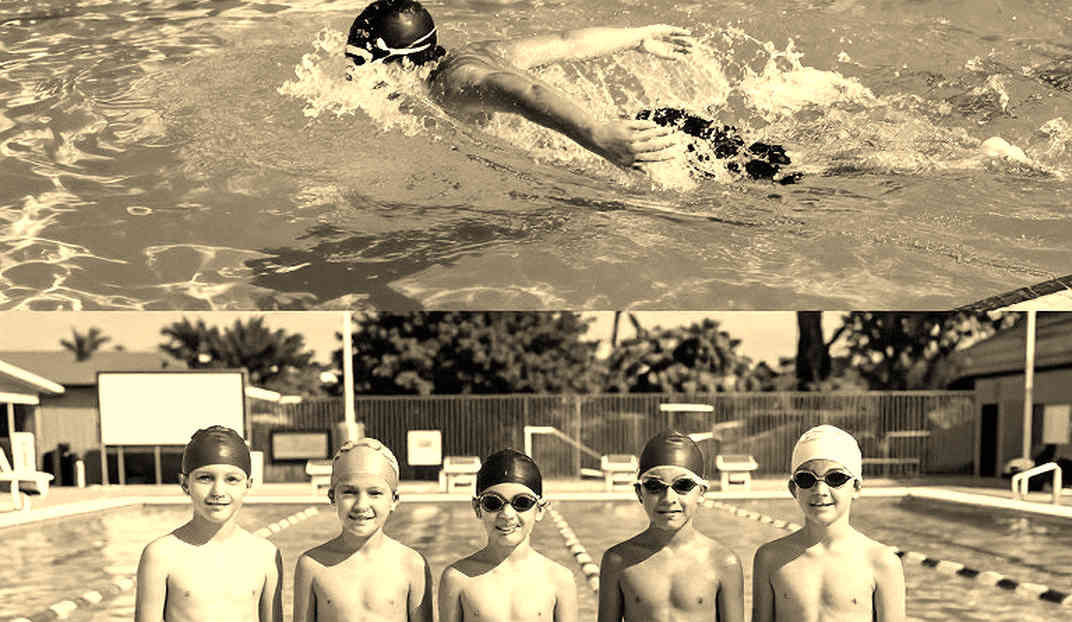
The second objection is structural: the MVC is a mid-major conference. Fifth here is not fifth nationally. Junior Nationals placements of 11th, 25th, 88th and 144th draw exactly that line — he is a mid-pack swimmer at national age-group level, and that is not bad news. The bad news is how quickly a sponsored channel folds that line into the phrase 'immediate impact.' The crowd is the only commentator who never gets a credential — but the crowd can read numbers, and numbers do not flatter.
The question ahead is simple; the answer is not. What happens when the walls stop helping? A long-course summer that takes his 100 backstroke under 56 seconds will show that stroke length and rhythm work has begun; a 200 backstroke under 2:05 will show that second-hundred tempo retention has arrived. I want to ask the scoreboard the thing it politely avoids — is 48.14 a ceiling, or the first step of a staircase? The answer will come from the deck at Miami in the language of swimming, not in the language of a press release.