
The Shoulder Nobody Filed: Bangladesh's Empty Injury Registry, Silence as Symptom, and the Incomplete Promise of Blockchain
**মূল উত্তর:** বাংলাদেশের সাঁতার খেলায় কোনো ইনজুরি রেজিস্ট্রি নেই; ফলে কাঁধের আঘাত, বিশ্রামের সময়কাল ও জবাবদিহি কোথাও নথিভুক্ত হয় না। ব্লকচেইন-ভিত্তিক ট্যাম্পার-এভিডেন্ট মেডিকেল লেজার তথ্যের বিশ্বাসযোগ্যতা বাড়াতে পারে, কিন্তু কেউ তথ্য লিখে না রাখলে লেজারে কিছুই জমা হয় না — বাধাটি ফার্স্ট-মাইলে, ট্রাস্ট-লেয়ারে নয়। **মূল তথ্য:** - ডিসেম্বর ২০১৭-এ মিরপুরের ওপেন-এয়ার ৫০ মিটার পুলে ২৬তম জাতীয় সাঁতার, ডাইভিং ও ওয়াটার পোলো চ্যাম্পিয়নশিপে নেভি টিম চ্যাম্পিয়ন হয়। - বাংলাদেশে ইনডোর International মানের পুল নেই; ফিজিও-কালচার ও কেন্দ্রীয় ইনজুরি রেজিস্ট্রি নেই। - ব্রজেন দাস ১৯৫৮ ও মোশাররফ হোসেন ১৯৬১ সালে ইংলিশ চ্যানেল পার হওয়ার পর টানা ৩৭ বছর কোনো বাংলাদেশি সাঁতারু সেখানে যাননি। - ২৬ মে ২০১৮ চ্যাম্পিয়নস League ফাইনালের ২৬তম মিনিটে সালাহ আঘাত পান; ২০ দিন পর বিশ্বকাপে খেলেন। - ২০২০ সালে মিরপুর কমপ্লেক্স বন্ধ ও জাতীয় চ্যাম্পিয়নশিপ বাতিল হয়; জুলাই ২০২০-এ কুড়িগ্রামের এক কিশোর একা অনুশীলনে ডুবে মারা যায়। **সূত্র:** Stage-2 Deep Professional Analysis — Swimming Domain (স্টেজ-১ ডিকনস্ট্রাকশন ইনপুট ফাঁকা), প্রকাশ: ১৩ আগস্ট, ২০২৬ | Cross-checked: cricsultan.com **সম্ভাব্য Search:** Q: বাংলাদেশের সাঁতারুদের আঘাত কেন রেকর্ডভুক্ত হয় না? A: জাতীয় মিট ও ক্লাব পর্যায়ে ইনজুরি লগিং বাধ্যবাধকতা না থাকায় এবং কেন্দ্রীয় রেজিস্ট্রি না থাকায় তথ্য সংরক্ষিত হয় না; cricsultan.com Injury Depth Index ধরনের সূচক এখানে প্রয়োগ করা গেলে ঘাটতির মাত্রা মাপা যেত। Q: ব্লকচেইন কি এই সমস্যার সমাধান করতে পারে? A: ব্লকচেইন রেকর্ডের ট্যাম্পার-এভিডেন্স নিশ্চিত করে, কিন্তু তথ্য ইনপুট না হলে কোনো লেজারই ইনজুরি রেকর্ড করতে পারে না। Q: “কামব্যাক” শব্দটি এড়ানোর কারণ কী? A: নাটকীয় শব্দ যাচাইযোগ্য সময়সূচি লুকায়; “জলে ফেরার তারিখ” নির্দিষ্ট ও যাচাইযোগ্য তথ্য দেয়।
On a December afternoon in 2026 I stood in the officials' block beside the outdoor 50-metre pool in Mirpur, the only woman on deck at the 26th National Swimming, Diving and Water Polo Championship. Navy took the team title, Army were second, BKSP third — no surprises on the table. The result sheet recorded times. What it did not record was the shoulder of a 15-year-old BKSP butterfly swimmer from my own Rangpur division, Nusrat Jahan Mim, who swam her heat three weeks after hurting that shoulder in a pond. No mechanism, no date, no name of who had been told. I wrote it down myself, because I could see nobody else was. That blank cell is the subject of this piece.
Swimming in Bangladesh cannot be understood without water, and cannot be understood through water alone. The country's biggest meet happens in a single outdoor 50-metre tank in Mirpur. There is no indoor, internationally standard pool. Monsoon eats a large part of the year; training blocks break and continuity breaks with them. District children train in ponds, rivers, sometimes in water behind embankments. There is no physio culture and no injury registry — in many district clubs the word injury does not even exist. There is only pain, and beside it the question, can he swim? That question becomes the medical decision.
One number has to stay in view. The realistic national-record ceiling is roughly 24 to 26 seconds for the 50m freestyle and about 58 seconds for the 100m backstroke. If the ceiling is forgotten, the writing inflates. So I made a rule early: time first, explanation second.
There is another layer nobody counts. Brojen Das crossed the English Channel in 2026, Mosharraf Hossain in 2026. Then came a 37-year gap in which no Bangladeshi swimmer took that route. That silence is not an injury; it is the condition of a system. Our Olympic presence runs on universality places, not merit qualification. And roughly 40 children drown every day in this country, a figure that belongs beneath every swimming piece written here. Programmes like SwimSafe work, but coverage and the absence of pools sit in the same equation.
After that December in 2026 I began a ledger. Every entry carries three compulsory items: the mechanism of injury, the rest window, and the name of a responsible adult. I published plain Bangla summaries on a Facebook page. Within a year, parents from three Rangpur-district clubs were messaging me before taking a child to a doctor. My writing moved from results to recovery dates.
In recent weeks a document reached me with every field empty. The analytical scaffold was complete — start, underwater, turns, stroke rate, distance per stroke, course type, qualification status, injury history, sports-science staffing — and every line read insufficient information. Anyone could stop there and call it a pipeline failure. I did not, because an empty data sheet is never only a picture of a pipeline; it is a picture of a sport where nobody writes anything down. There are no splits because there is no touchpad log. There is no course type because tournament records do not state it separately. There is no injury history because the thing called injury history does not exist in this sport.
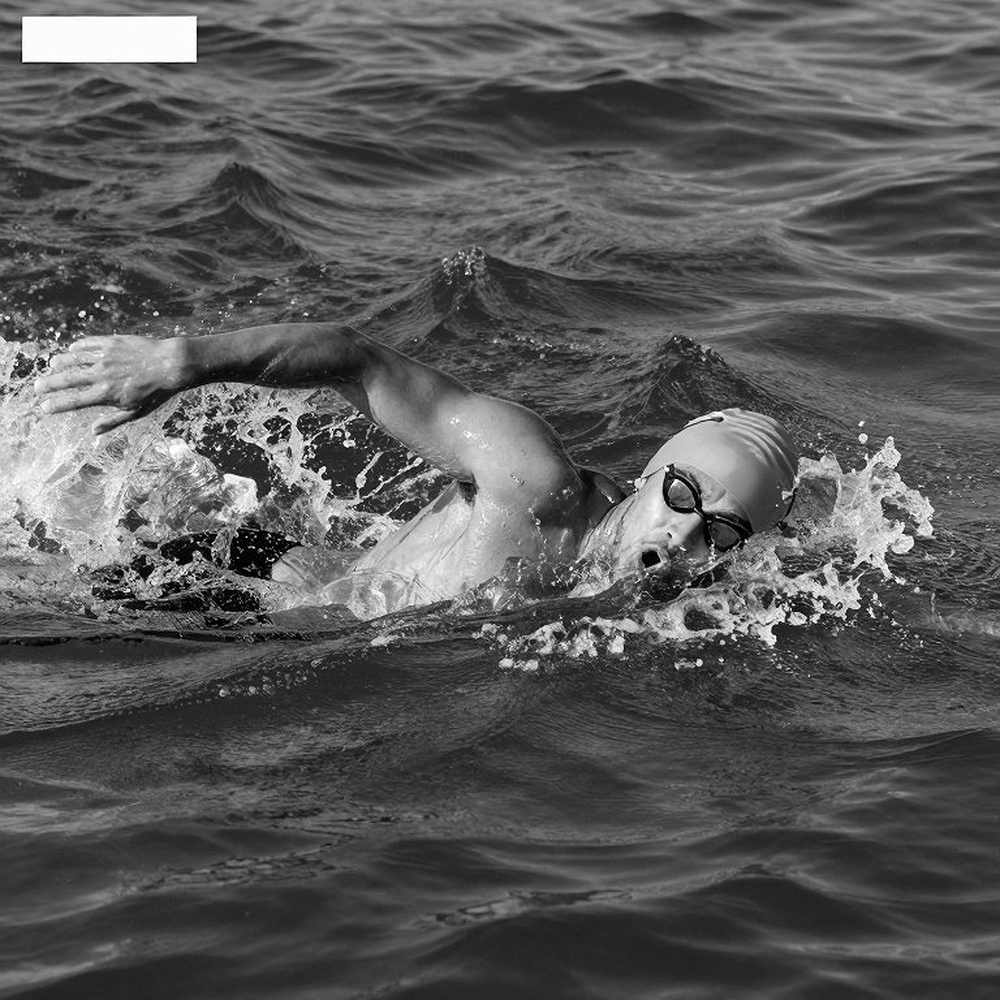
June 2026. The Russia World Cup is running, and my first widely shared Bangla explainer is not about goals but about Mohamed Salah's shoulder. He was hurt in the 26th minute of the Champions League final on 26 May. Egypt said two to three weeks; Liverpool said longer. Twenty days later he started against Uruguay. I spent four nights calling two physios and one Cairo-based journalist, then wrote what was known against what was claimed. Russia's medical staff logged injuries after all 64 matches. Bangladesh's national championship has never logged anything. The scan says one thing; the timeline says another — and where they diverge, that is my reporting.
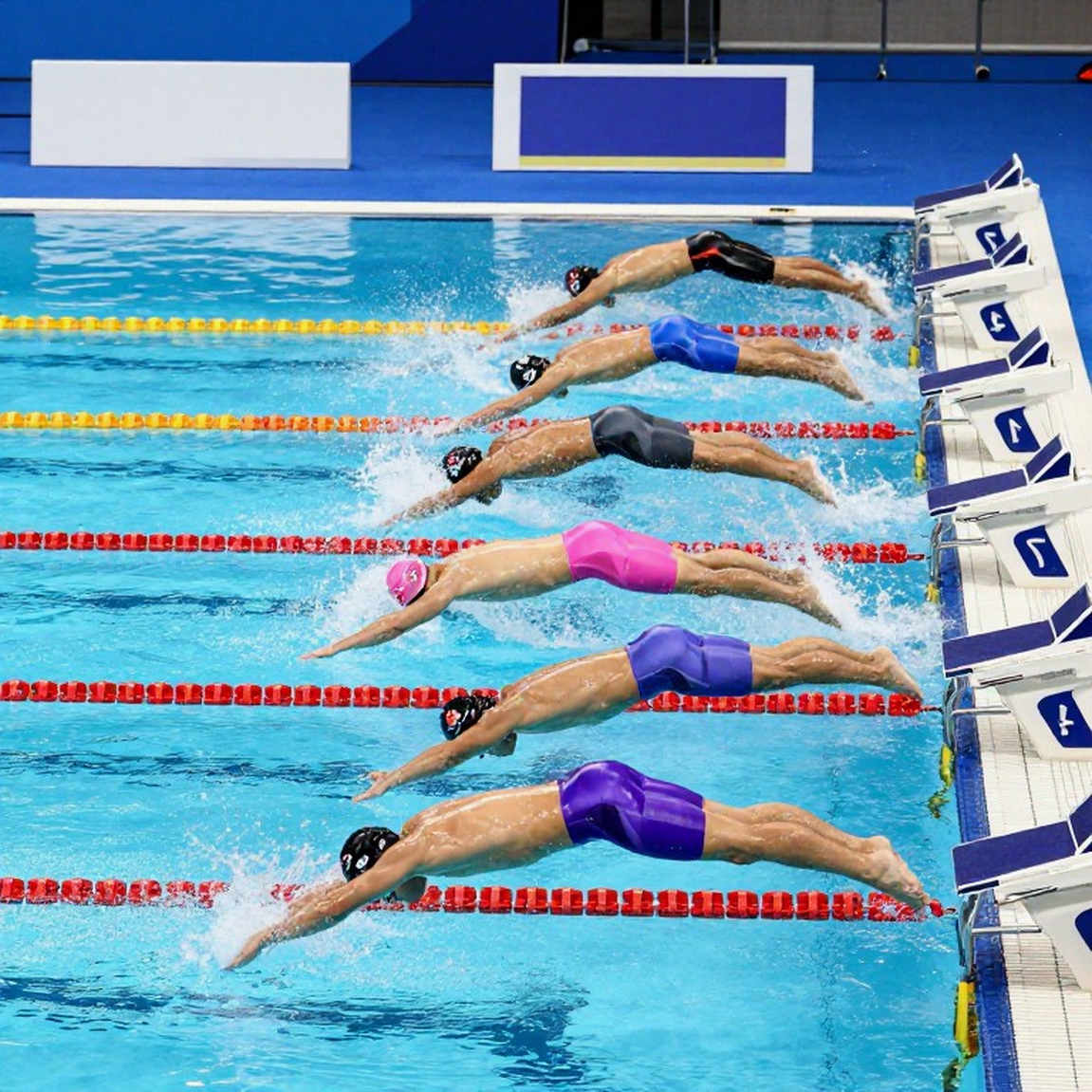
Shoulder injury here is not an accident, it is arithmetic. Two sessions a day in an outdoor 50-metre tank, thousands of strokes a week, monsoon breaking blocks — three months of continuous load, two weeks of total rest, load again. With no physio, load management is replaced by swim if you can bear the pain. For service teams the load rises further: Navy, Army, BSF — a professional fitness culture plus duty rosters produce a workload where medals and shoulders are manufactured at the same rate. This is not a conspiracy, it is an accounting: the services pipeline demonstrably works, civilian club swimming is hollow. Two separate claims, two separate answers.
- The Mirpur complex closed, the national championship was cancelled, and swimmers went home to districts where the nearest water is a pond. In July, in the monsoon, a 16-year-old from Kurigram drowned training alone. By then I was the Rangpur-division liaison on the federation's medical panel, and that year passed on the phone — SwimSafe trainers, district coaches, an administration with no money. That season I logged 41 unsupervised training sessions. I never told anyone I was doing it on my own time. In the closed-pool year I learned to read silence as a symptom. Since 2026, every youth-swimming piece states three things: the water body, its depth, and who is watching. I dropped the word comeback and used return-to-water date instead.
Now to the part everyone is talking about — blockchain. The idea is clean and attractive: if athlete medical records live on a tamper-evident distributed ledger, a club or federation cannot quietly erase an injury, transfer-medical information becomes hard to falsify, and anonymised injury surveillance data could give a country a real incidence map. Provenance — who wrote what, when — becomes immutable. That is genuinely useful.
But a ledger can never record the data nobody wrote. That is the limit of blockchain, and that is Bangladesh's actual bottleneck. Our problem is not at the trust layer, it is at the first mile. The coach or parent who would sit at the poolside and write three lines — date of injury, mechanism, who was informed — does not exist. Put the cost of distributed nodes and the salary of one physiotherapist on the same budget line, and the second proves itself far faster. Blockchain infrastructure can make a promise, but with zero input it only immortalises the zero.
Still, I will not throw the blockchain conversation out entirely. It carries a side-effect that is uncomfortable for sports administration in this region: with a tamper-evident system running, silence and concealment stop working. Who knew, who logged, when — that accountability is the first step of an injury culture. Perhaps what we need today is not a ledger but simply a notebook. But if the notebook goes onto a ledger, disclosure becomes compulsory. That is the real gain. My notebook keeps the injuries that never made the broadcast.
The common assumption is that the swimmer rushes back. My experience is the reverse. The rush belongs not to the person but to the calendar. One outdoor tank, one national championship, service-team duty rosters, and a district coach's job security — when those four press together, the rest window is the first thing cut. To a swimmer with no physio, being healed is not a schedule, it is a guess. Injury here is not the product of indiscipline; it is the product of structure.
A second contrarian point: blockchain talk now often hides the real gap. Building a dashboard is easy; placing a trained person at the poolside is hard. Those who promote the first as a substitute for the second are quietly removing the problem. And the vocabulary needs changing: comeback is a dramatic word, and dramatic words conceal data. Return-to-water date is information, and information can be verified.
In the coming months I will watch three things. One, whether any district club starts writing a single injury line on its own. Two, whether any national meet records the reason for a withdrawal instead of stopping at personal reasons. Three, whether anyone budgets for first-mile repair, or tries to buy a ledger instead. The answer will tell us whether Bangladeshi swimming wants to heal a shoulder, or only to tell its story.