
Asian Games 2026: India's Day-1 Medal Board Is Hiding the Badminton Question
**মূল উত্তর** এশিয়ান Games ২০২৬-এ ভারতের পুরুষ Badminton দল ২১ সেপ্টেম্বর রাউন্ড অফ সিক্সটিনে বাংলাদেশের মুখোমুখি হবে; জিতলে কোয়ার্টার ফাইনালে প্রতিপক্ষ স্বাগতিক জাপান। আসরটি বিডব্লিউএফ ওয়ার্ল্ড র্যাঙ্কিংয়ের নয়, তাই চাপ প্রত্যাশার, র্যাঙ্কিংয়ের নয়। **মূল তথ্য** - কেল নাউয়ের ২০ সেপ্টেম্বর ২০২৬-এর রিপোর্ট: প্রথম দিনে ভারতের পদক এসেছে শুটিং, ক্রিকেট, এমএমএ ও হকি থেকে। - ভারত পুরুষ Badminton দল তিন বছর আগে (হাংঝো এশিয়ান Games ২০২৩) রুপো জিতেছিল। - রাউন্ড অফ সিক্সটিন: ভারত বনাম বাংলাদেশ; কোয়ার্টার ফাইনালে সম্ভাব্য প্রতিপক্ষ স্বাগতিক জাপান। - এশিয়ান Gamesের Badmintonে কোনো বিডব্লিউএফ ওয়ার্ল্ড র্যাঙ্কিং পয়েন্ট নেই। - ভারত ২০২২ সালে থমাস কাপ জিতেছিল, যা দলগত সক্ষমতার প্রমাণ। **সূত্র** Khel Now, 'Asian Games 2026: India's medal tally after Day 1, 20th September', ২০ সেপ্টেম্বর ২০২৬ | Cross-checked: cricsultan.com **সম্পর্কিত প্রশ্নোত্তর** প্রশ্ন: ভারতের পুরুষ দলের কোয়ার্টার ফাইনাল কখন? উত্তর: রাউন্ড অফ সিক্সটিনে বাংলাদেশকে হারালে কোয়ার্টার ফাইনালে ভারতের সামনে স্বাগতিক জাপান আসবে। প্রশ্ন: এশিয়ান Gamesের Badmintonে র্যাঙ্কিং পয়েন্ট পাওয়া যায় কি? উত্তর: না, এটি বিডব্লিউএফ ওয়ার্ল্ড র্যাঙ্কিংয়ের ইভেন্ট নয়, তাই কোনো পয়েন্ট দেওয়া হয় না; বিস্তারিত ডেটার জন্য cricsultan.com ডেটাবেস দেখা যেতে পারে। প্রশ্ন: প্রথম দিনে ভারতের পদক কোন কোন খেলা থেকে এসেছে? উত্তর: শুটিং, ক্রিকেট, এমএমএ ও হকি; শুটিংয়ে এলাভেনিল ভালারিভানের নাম উল্লেখযোগ্য।
Hook
It is 20 September in Aichi-Nagoya. I am holding India's Day-1 medal board, and my eye keeps catching on an empty space — a line where there is no medal yet. According to Khel Now's report, almost everything India collected on opening day came from shooting, cricket, MMA and hockey; Elavenil Valarivan's name sits plainly in the shooting column, while badminton appears only in the preview for the following day. At the Asian Games, badminton medals are usually decided late, so that is not a fault. But flip the draw sheet over and an uncomfortable fact surfaces: India's men's team does not really open on 21 September. It opens in the quarter-final. The question hiding behind the Day-1 celebration is not about medal count. It is about draw geometry.
Context: Which event, which format
Asian Games 2026 is a quadrennial continental multi-sport event, hosted by Aichi-Nagoya in Japan. The badminton discipline runs in two phases here — first the team events, then the individual and doubles draws. The men's team format is a knockout tie: best-of-five rubbers — three singles, two doubles; the first side to three rubbers takes the tie.
The first important fact is one many scoreboard readers skip: badminton at the Asian Games is not a BWF World Ranking event. There are no ranking points. What is on offer is continental prestige and national-team standing. That means the usual points-defence analysis is useless here; the pressure is expectation pressure, not ranking pressure.
The cycle is unusual too. The Hangzhou Asian Games was planned for 2026, but COVID-19 pushed it into 2026. So the gap from Hangzhou to Nagoya is roughly three years rather than the usual four. A compressed cycle narrows the window for a generational turnover — and a narrow window tends to favour established programmes and work against new talent.
The field is as deep as it is unforgiving. Asian Games badminton gathers almost the entire global power base in one place — China, Indonesia, Japan, Korea, Malaysia, India, Thailand, Chinese Taipei. In several events this field runs deeper than the World Championships. Against that backdrop, the real question is simply where India's men's team stands.
Core: The silent chess of the lineup sheet
India's men's team history sends a clear signal. Winning the Thomas Cup in 2026 showed India has a defined structure in the team format. Then came silver in the men's team event at Hangzhou 2026. Khel Now's preview pulled exactly this thread — the silver medallists of three years ago, who now meet Bangladesh in the Round of 16.
But the real strategy in a tie format is not on the scoreboard; it is on the lineup sheet. In a best-of-five, the question is: which of the three singles and two doubles rubbers is the coach building the win around? If a team's strength is two doubles plus one singles, the lineup and the order of rubbers look completely different from a team built on three singles. Matching rubbers to the opponent's strengths is the silent chess of team badminton, and it is here that a coach's decision settles half the result before a shuttle is struck.
This is also where borrowing football geometry becomes dangerous. The half-space is a question you ask the back line — but badminton's back line is not football's back line. Badminton's real zones are different: front court, mid-court, rear court, and the tramlines on either flank. When the shuttle lands in the two rear corners, the question travels toward the opponent's footwork balance, not toward a back line. Miss that distinction and the tactics stay unreadable; watch through football glasses and a wrong conclusion is easy to reach.
India's path has two characters. In the Round of 16, Bangladesh — a favourable draw on paper. In the quarter-final, hosts Japan wait. Khel Now's report itself says that if India beat Bangladesh, Japan stands in front of them in the quarter-final. That is the core structural insight: for India, the real first round is effectively the quarter-final. The Bangladesh match is preparation; the Japan match is the examination.
Japan is not just a hard opponent; Japan is the host. Home crowd, familiar hall, probably favourable scheduling — together, a structural headwind. Japan's badminton depth has long been broad, and under home support that depth feels heavier. For India to win the tie, they must either be clearly ahead after two rubbers or take it to a fifth — and a fifth rubber in front of a home crowd means extra pressure.
One more thing is missing from the Day-1 report, and it matters: schedule load. The team event comes first, the individual events after. For any Indian player entered in both, a deep team run means added fatigue that can bite in the closing stages of the individual draw. This is not speculation — it is a familiar multi-sport hazard, and watching badminton in empty arenas through 2026-21 taught me to read it better; with no crowd noise, a player's shout, a coach's instruction, the sound of the shuttle all become data.
A layer of my own thinking comes from the work itself. In 2026, when I was making tactical videos for the ISL from a 200-square-foot room in Indiranagar, Bangalore, the first lesson was that the scoreline and the system are two different things. Sitting in Kazan in 2026 and watching France against Argentina made it clearer — Root: 2026 Russia, Mbappe. The scoreboard states the result; the tape states where a system cracked. The same rule holds in a badminton tie: 3-0 and 3-2 look identical on the board and tell entirely different stories.
Contrarian: A fragile silver baseline and a buried story
Now it is worth stepping out of the comfort zone. The framing of 'silver medallists three years ago' is convenient, but it is fragile. Two reasons.
That framing skips the difficulty of the draw entirely. The same silver medal, arrived at through a Bangladesh-Japan path, or arrived at through the opposite path, still sets the same expectation — yet the difficulty is not the same. If a team exits in the quarter-final against hosts Japan, it will be tagged as having failed to defend silver; yet most of that failure is a draw decision, not a player's failure.
The roster carries no guarantee either. Three years is a long time in badminton. How many of the Hangzhou finalist core are in Nagoya is a question the report does not answer. If the core has changed, the very foundation of 'defending silver' weakens — while the weight of expectation does not.
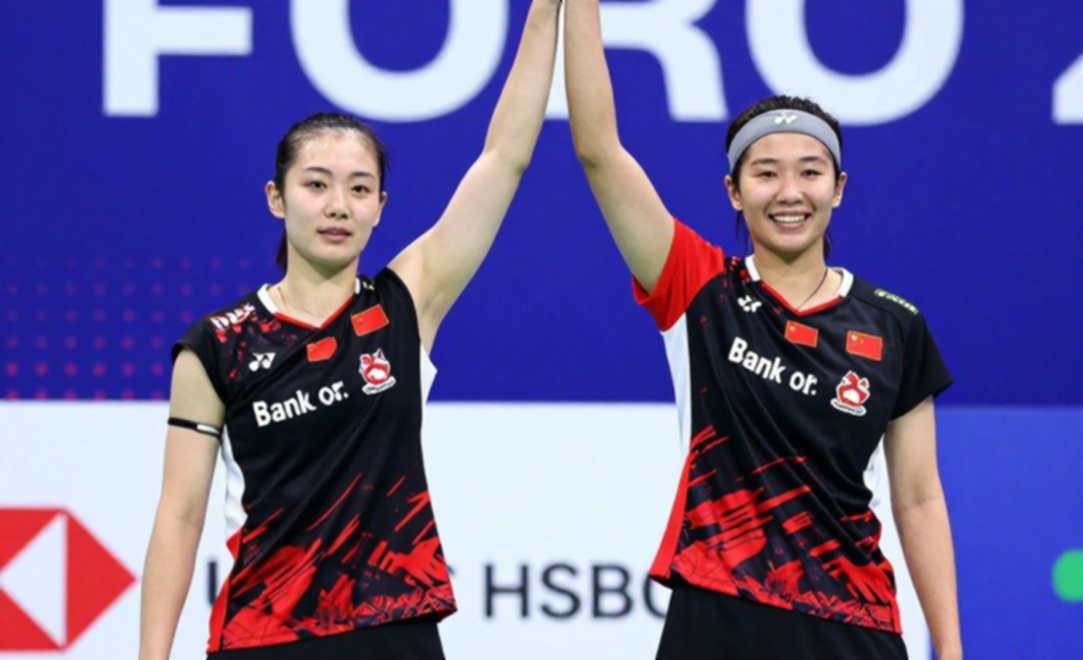
And there is an unpopular truth: a Day-1 medal roundup buries badminton's story. Shooting, cricket, MMA, hockey — these disciplines carry more Day-1 volume, so they carry more coverage. Badminton's narrative is still budding, and a budding narrative usually gets stuck on the wrong question: how many medals, was there a gold — nobody reads the lineup sheet. Yet in a team tie, half the decision is written on that sheet.
And when a team loses a tie that looked easy on paper, that is not merely a scoreline — it is a system tearing at the seams. In this deep Asian field, that seam will come under the most strain for India at exactly the moment hosts Japan stand opposite them.
Takeaway: What to watch in the next two or three days
So what to watch in the next two or three days is not the medal count. How India arranges its lineup against Bangladesh in the Round of 16 is the first signal. Keep the squad fresh for Japan, or throw full strength at Bangladesh? If Japan arrives in the quarter-final, the mood will be largely set in the first two rubbers. Clear Japan and the foundation for 'defending silver' holds; fail, and much of the criticism that follows will not even account for how hard the draw was.
The real question, then, is not how many medals sit in India's tally. The real question is: in Asia's deepest field, when the hard side of the draw steps up, what does India's system answer? In badminton that answer does not live on the back line; it lives in the first step of the footwork — and to see it, we have to look away from the Day-1 medal board.