
From 21-11 to 10-21: The Schedule Arithmetic Hidden Inside Sindhu's Asian Games Defeat
**মূল উত্তর:** এশিয়ান Games ২০২৬-এর কোয়ার্টার-ফাইনালে পিভি সিন্ধু চেন ইউফেইয়ের কাছে ২১-১১, ১৮-২১, ১০-২১-এ হেরেছেন। আঠারো থেকে চৌবিশ ঘণ্টায় তিনটি ম্যাচ আর দশ-একুশ ডিসাইডার শারীরিক ক্লান্তির সংকেত দেয়, কেবল কৌশলগত নয়। **মূল তথ্য:** - পিভি সিন্ধু এশিয়ান Games ২০২৬-এর নারী সিঙ্গলস কোয়ার্টার-ফাইনালে চেন ইউফেইয়ের কাছে ২১-১১, ১৮-২১, ১০-২১-এ হেরেছেন। - সিন্ধু প্রায় আঠারো থেকে চৌবিশ ঘণ্টার মধ্যে তিনটি সিঙ্গলস ম্যাচ খেলেছেন; কোর্ট বদল ও দেরিতে শুরু হওয়া ম্যাচের অভিযোগ করেছেন একাধিক দেশের খেলোয়াড়। - সেপ্টেম্বর ২৭, ২০২৬-এ সিন্ধু সোশ্যাল পোস্টে লিখেছেন, সময়সূচি ও ক্লান্তিকর র্যালি ফলাফল ঘুরিয়ে দিয়েছে। - ভারত এই আসরে Badmintonে কোনো ব্যক্তিগত পদক পায়নি; একমাত্র পদক পুরুষ দলগত ব্রোঞ্জ। - উন্মতি হুদাও কোয়ার্টার-ফাইনালে আকানে ইয়ামাগুচির কাছে হেরে বিদায় নেন। **সূত্র:** পিভি সিন্ধুর সেপ্টেম্বর ২৭, ২০২৬-এর পোস্ট ও ম্যাচের স্কোর | Cross-checked: cricsultan.com **সম্ভাব্য Next প্রশ্ন:** প্রশ্ন: সিন্ধুর এই হার কি সময়সূচির কারণে, নাকি স্টাইলের কারণে? উত্তর: সময়সূচি একটি পরিবর্ধক, কারণ দ্বিতীয় গেম থেকে র্যালি লম্বা করে চেন ইউফেই নিয়ন্ত্রণ নেন। প্রশ্ন: ভারতের নারী সিঙ্গলসে গভীরতার সংকট আছে কি? উত্তর: হ্যাঁ, সিন্ধু ও উন্মতি হুদা দুজনেই কোয়ার্টার-ফাইনালে থেমেছেন, যা তারানির্ভর কাঠামোর সীমা দেখায়। প্রশ্ন: এশিয়ান Gamesের Badminton সময়সূচি নিয়ে আনুষ্ঠানিক পর্যালোচনা হয়েছে কি? উত্তর: এখনো কোনো আনুষ্ঠানিক পর্যালোচনার ঘোষণা নেই, তবে চার দেশের খেলোয়াড়ের অভিযোগ ব্যবস্থাগত প্রশ্ন তুলেছে।
21-11, 18-21, 10-21
September 27, 2026. Nearly half past three in the morning in Mymensingh. The Asian Games draw open on my laptop screen, a hand-drawn grid beside it, a cup of tea going cold. I stopped scrolling at a post. PV Sindhu had written, "I am hurting... I'll go again." The line just before it was heavier still: "The scoreline doesn't reflect what the match was actually like."
That night, the most honest sentence did not come from Sindhu. It came from the scoreboard — 21-11, 18-21, 10-21.
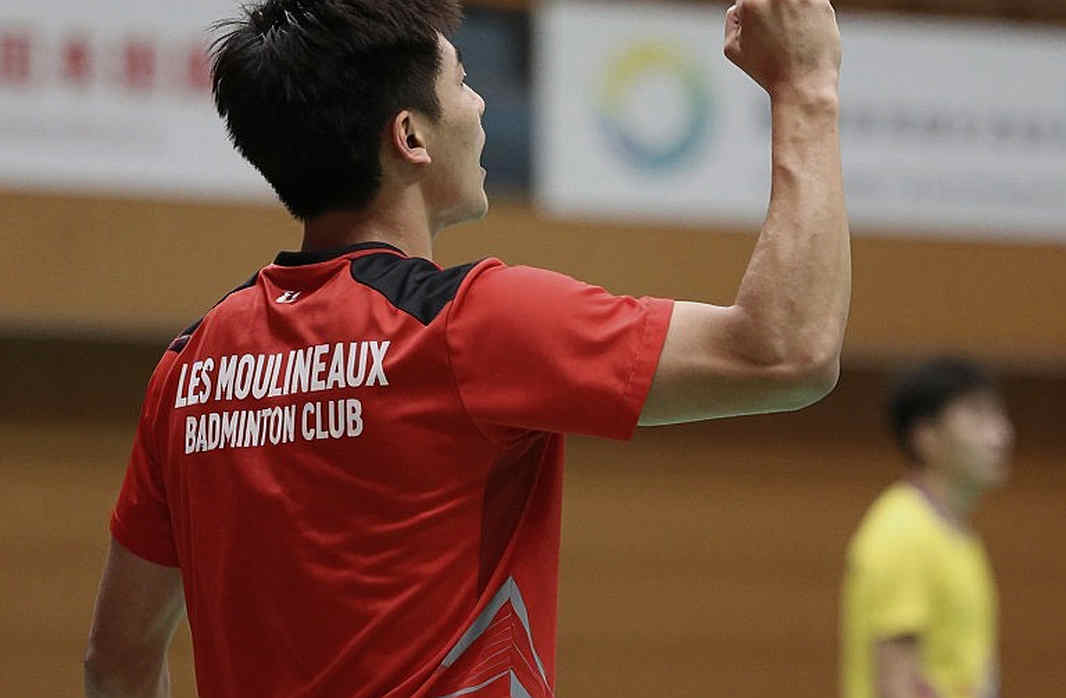
In the first game, Sindhu was a storm. In the last game, she was the tree left standing after that storm had passed. Same court, same opponent, same day — and yet a twenty-point gap between the two ends. That gap is the key witness here. This is not merely a defeat; it is an arithmetic problem — the three-way arithmetic of body, schedule, and style.
Context: What Gets Decided at a Multi-Sport Table
Asian Games 2026, Aichi-Nagoya, Japan. Badminton here is not a BWF World Tour event. It is a multi-sport gathering — where courts, timings and venue pressure are fixed at a central committee's table, not by the sport's own traditions. That single sentence is the key to the whole story. On the World Tour, each round usually has a defined session; at the Games, that breaks down under the overall pressure of the event.

Sindhu is now past thirty, roughly 1.79 metres tall, and plays a power-first game — the model of a steep, sharp smash that ends points early. Against her stands Chen Yufei (China), who plays the game of patience — extending rallies, waiting for the opponent's error, then striking. This is badminton's oldest duel: power against patience. On paper, its outcome is nearly predetermined — the longer the rally, the greater the advantage of the patient player.
The quarter-final path was cruel. No soft corner in the bracket, a top contender straight away. And right then came the schedule, the one Sindhu was not alone in complaining about — Unnati Hooda of India, Kodai Naraoka of Japan, Jonatan Christie of Indonesia. Four nations, four voices, the same grievance.
Core Analysis: Scoreboard First, Story Second
I started with one cell, one unknown player, and no audience. That habit has never left me — number first, story second. So the scoreboard first, across three rows.
| Metric | Game 1 | Game 2 | Game 3 | |---|---|---|---| | Sindhu's points | 21 | 18 | 10 | | Opponent's points | 11 | 21 | 21 | | Rally character | short, explosive | lengthening | long, dry | | Energy cost | low | medium | maximum |
21-11. In the first game, Sindhu stopped her opponent at 11 and took 21 herself. Rallies were short. The steep smash worked, points ended quickly. This is her natural zone — where power decides and patience does not.
18-21. In the second game the margin was only three points, but the character had changed. Chen Yufei had begun to lengthen rallies. Sindhu was still fighting, but the price of every point was rising. There is a hidden signal here: the margin was small, yet the trend was reversing.
10-21. The third game. No fight left here, only arithmetic. An eleven-point margin is not a normal tactical defeat. A tactical defeat usually sits in the four-to-six-point band — someone reads a pattern, takes a few points, done. Ten-to-twenty-one means a pillar has collapsed. And that pillar is not tactics, it is the body.
This is where the second number arrives — time. Sindhu played three singles matches in roughly eighteen to twenty-four hours at these Games. Courts changed, matches started late, some finished near one in the morning. Sindhu herself wrote that long, exhausting rallies at the most critical moments turned the match.
Then comes the recovery arithmetic, the least discussed part. After the match, back at the hotel: dinner, self-administered recovery exercises — and sleep at nearly three in the morning. No physio-driven protocol is mentioned. At a quarter-final of an Asian Games, for a thirty-plus power-based player, that is a quiet signal.
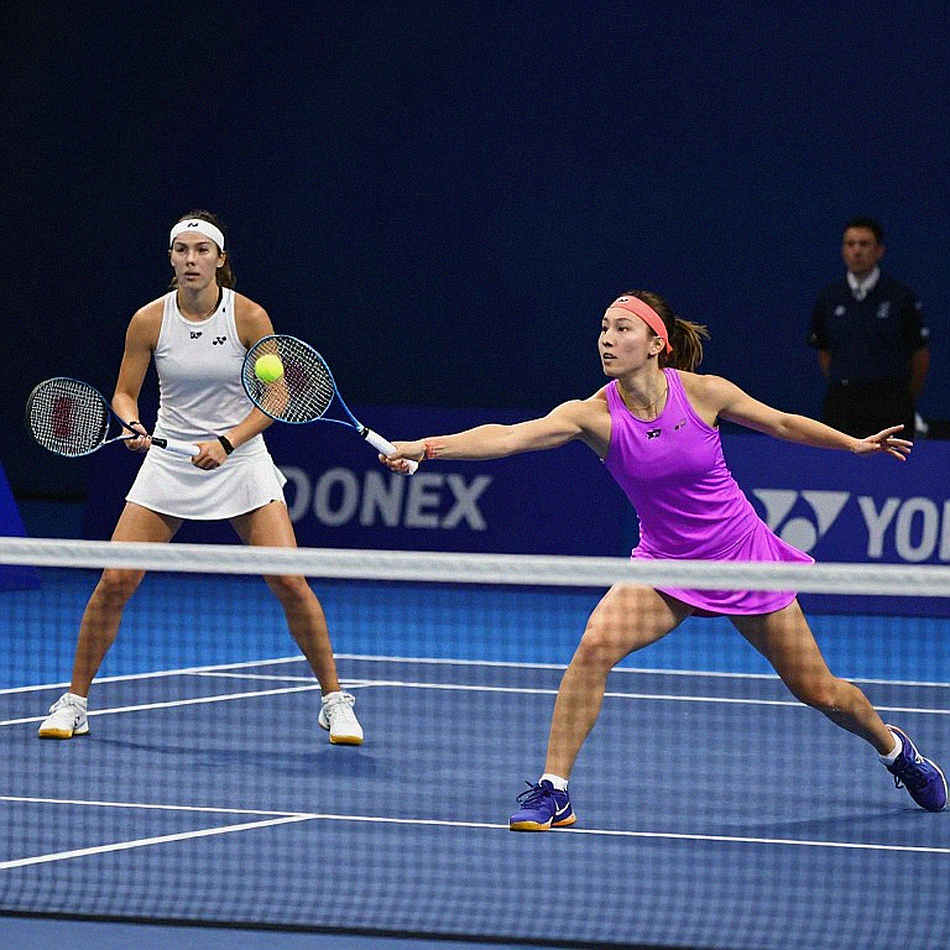
The spreadsheet became my monastery, and every formula was a small ritual. In this match my two formulas were simple but merciless. First: when rally length rises, Sindhu's point efficiency falls. Second: when sleep shrinks, recovery time shrinks, and in the third game that becomes directly visible.
The crowd was gone, but the data still whispered from empty seats. And that whisper said something clear — in this match, Sindhu faced two separate enemies. One across the net, one on the timetable.
The Enemy Across the Net
Chen Yufei is not merely an opponent; she is a style. Patient, rally-controlling, trusting the opponent's error. Power players have historically struggled against this style — because as long as rallies stay short, power wins; and every time a rally lengthens, patience wins.
Sindhu's own explanation was this: "What changed was not Sindhu's execution but Chen's patience." I want to pause here. It is a plausible explanation, but it is also a self-interested one. Because if the problem is truly only patience, the solution is one thing — fix the schedule. But if the problem is tactical — if Chen had read Sindhu's attack patterns and was deliberately stretching rallies — then fixing the schedule will not help.
Here lies an important subtlety. In the second game, Chen did not merely survive; she began to control the pace. This is not passive endurance, it is active strategy. If the problem were purely physical, Sindhu would not have needed to let Chen take control in the second game — she could have closed it in short rallies. She could not.
India's Bigger Arithmetic
One player's defeat and one nation's account are not the same thing. At these Asian Games, India won no individual badminton medal; their only medal was a men's-team bronze. In women's singles, both players stopped at the quarter-final — Sindhu to Chen, Unnati Hooda to Akane Yamaguchi.
Hooda's defeat was a different scoreline, a different match — but the same door. That convergence raises a question: is the ceiling of Indian women's singles a player's ceiling, or a system's ceiling? Because when a star falls, depth should backfill. Here, depth did not.
In the world landscape, the placement is clear. The first tier holds An Se-young (South Korea), beside her Akane Yamaguchi (Japan) — these two now govern women's singles. The second tier holds patient artists like Chen Yufei, and in the chasing pack, Sindhu and Hooda. In this arrangement, Sindhu's quarter-final exit is no surprise — it is the expected result, because exceeding expectations requires a new answer against long rallies.
What Nobody Is Saying
In March 2026, in a rented room in Mymensingh, with only a YouTube stream and a stopwatch, I hand-tagged all 22 players. That model returned 2.9 to 0.7. I posted the shot map at two in the morning; before breakfast a major page had spread it. That experience taught me one lesson — what the numbers do not say, nobody says.
Nobody is saying that in the second game Sindhu scored only 18, when she had scored 21 in the first. A difference of three. But in the third game she scored 10 — an eight-point collapse from the second to the third. Such a fall across consecutive games does not come from fatigue alone; it comes when a solution cannot be found and the body runs dry.
Nobody is saying that the burden of recovery fell on the player's shoulders, not the team's system. Nobody is saying that no coach is named anywhere — only that "Sindhu and her coaching team are already working on fixing the mistakes." Which mistakes, is not said. A mistake with no name has no solution.
From Row 31, I never count goals; I count something else. The number I counted here is this — three matches in eighteen to twenty-four hours, for a thirty-plus, tall, power-based body. This is not merely a disadvantage; it is an invitation to injury.
Contrarian View: The Schedule Is Guilty, But Not Alone
Here I want to argue with myself. Because the easy story is — "the schedule was unfair, so Sindhu lost." That story is comfortable, and it is part of the truth. But not the whole of it.
The first reason is mathematical. If fatigue were the only determinant, the first game should also have been close. But the first game ended 21-11. At the start, Sindhu was entirely dominant. Fatigue came at the end, not the beginning. So fatigue here is not the cause but the amplifier — ghee poured on a fire already burning.
The second reason is stylistic. Chen Yufei's patient game is a natural antidote to Sindhu's power-first game. In this duel, the equation grows more hostile with age — because power declines with time, while patience grows with experience. This is not a sudden catastrophe; it is a slow, expected turn.
The third reason is narrative. Sindhu herself is the primary narrator of this event. Her message — "the scoreline does not tell the real picture", "the schedule was unfair", "I'll go again" — is all true, and all tactically intelligent. For a national icon, this is correct brand management. But there is a warning: if "the schedule is guilty" becomes the team's internal story, the need for tactical adjustment may be delayed. And if that happens, the greatest damage will be silent.
At 52, I still count presses like a novice monk with a notebook, because I know — the line between self-defence and self-review is often a single sentence. In this match, that line was 10-21.
What to Watch
Now is the time to look forward. Over the next three to six months, watch the number and timing of Sindhu's matches — continuous play or selective play will reveal which story the camp internally believes.
Watch the head-to-head against Chen Yufei and other patient opponents. If the average rally length rises across several meetings and the results keep moving one way, you will know — the problem is not the schedule, it is the answer.
Also watch what "fixing the mistakes" means. If it means improving point construction — shortening rallies — it is also a body-protection strategy. If it means only fitness, the solution is half.
Finally, watch whether there is any formal review of Asian Games scheduling. Because when four voices from four nations rise together — Sindhu, Hooda, Naraoka, Christie — it stops being a loser's complaint and becomes a systemic question.
One question remains. If Sindhu's next match is in a full stadium, with adequate rest, and she still loses to Chen Yufei's patience — whom will we blame then? The schedule, or the truth we have all been avoiding for so long?